Are you looking for a versatile, effective, and portable way to enhance your fitness routine? Perhaps you’re tired of bulky weights, seeking a low-impact solution for rehabilitation, or simply aiming to add variety to your workouts. Resistance bands are a powerful, often underestimated, tool that can transform your training. With countless options available, navigating the market for the perfect set can feel overwhelming. This comprehensive guide will break down everything you need to know, from understanding different types and their benefits to selecting the ideal bands for your specific goals, ensuring you make an informed choice for your fitness journey.
Resistance Bands: What Are They and Why Use Them?
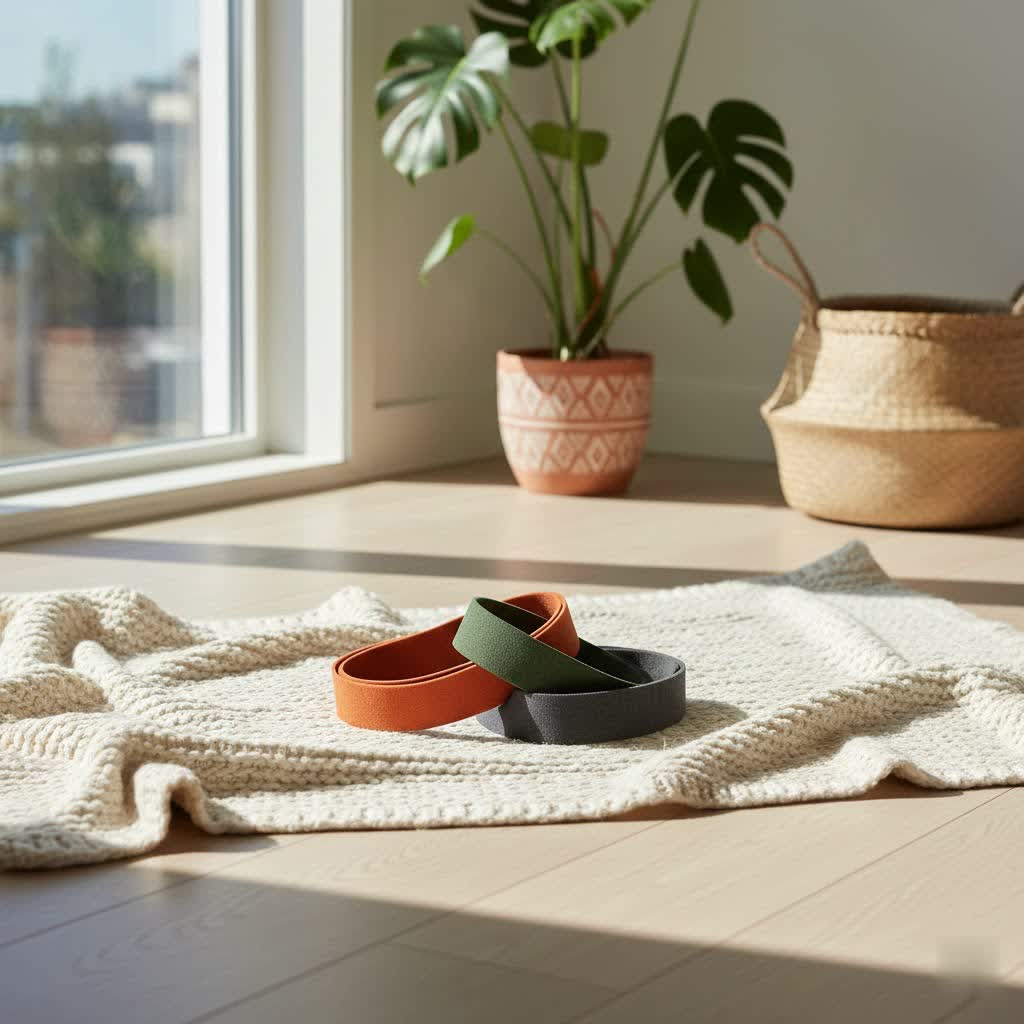
Resistance bands are elastic fitness tools, typically made from rubber or fabric, designed to provide varying levels of tension when stretched. Unlike traditional free weights that offer constant resistance, bands provide variable resistance, meaning the tension increases as the band is stretched further. This unique property challenges your muscles differently throughout a movement.
There are numerous compelling reasons to incorporate resistance bands into your exercise regimen:
- Strength and Muscle Growth: Don’t underestimate their power; a 2019 scientific study concluded that training with resistance bands “provides similar strength gains when compared to resistance training performed from conventional devices,” such as dumbbells and kettlebells. This means you can effectively build muscle and increase strength.
- Portability and Convenience: Incredibly lightweight and compact, resistance bands are ideal for home workouts, travel, or quick sessions at the office. They easily fit into any bag, making them a perfect gym substitute anywhere you go.
- Versatility: These bands offer an astonishing array of exercises for every muscle group, from dynamic warm-ups and stretching to targeted strength training and compound movements. They can be used for pushing, pulling, and rotational movements, making them a truly full-body tool.
- Reduced Injury Risk: Resistance bands are generally safer than heavy free weights, significantly reducing the risk of impact injuries. They are particularly beneficial for rehabilitation, pre-habilitation, and for individuals recovering from muscle injuries or those who struggle with balance, such as senior or pregnancy clients.
- Improved Flexibility and Mobility: Their elastic nature makes them excellent for stretching and increasing range of motion, helping to improve overall flexibility and joint health.
- Cost-Effective: Resistance bands are significantly more affordable than purchasing a full set of dumbbells or a multi-gym machine, offering excellent value for money.
Popular Types of Resistance Bands on the Market
The world of resistance bands is diverse, with each type serving specific purposes. Understanding the differences will help you choose the best options for your workout needs.
Loop Bands (Long/Power Bands)
These are continuous, often thick, rubber loops that resemble giant rubber bands. They come in various thicknesses, which directly correlate to their resistance level.
- Description: Long, closed-loop bands made from natural latex rubber, ranging from thin (light resistance) to very thick (heavy resistance).
- Pros: Highly versatile for a wide range of exercises including assisted pull-ups, squats, deadlifts, bench press assistance, and dynamic stretching. They offer high resistance options, with some providing up to 250 pounds of tension.
- Cons: Some latex bands can have a strong rubber smell and may leave a powdery residue. Without handles, they can sometimes dig into hands or skin during certain movements.
- Applications: Ideal for compound movements, powerlifting assistance, stretching, and mobility work.
|
Our Picks for the Best Resistance Bands in 2026
As an Amazon Associate I earn from qualifying purchases.
|
||
| Num | Product | Action |
|---|---|---|
| 1 | Resistance Bands, Pull Up Assist Bands - Workout Bands, Eexercise Bands, Long Resistance Bands Set for Working Out, Fitness, Training, Physical Therapy for Men Women |

|
| 2 | VEICK Resistance Bands, Exercise Bands, Workout Bands, Resistance Bands for Working Out with Handles for Men and Women, Exercising Bands for Fitness Weights Work Out at Home |
|
| 3 | 5 Pcs Professional Resistance Bands. Latex-Free, Elastic Band, Work Out Bands, Stretch Bands for Working Out Women or Men, Exercise Bands Set for Physical Therapy, Yoga, Pilates |
|
| 4 | Pull Up Bands, Resistance Bands, Pull Up Assistance Bands Set for Men & Women, Exercise Workout Bands for Working Out, Body Stretching, Physical Therapy, Muscle Training |
|
| 5 | 6PCS Silicone Ankle Strap for Swimming, Legs Resistance Exercise Swim Band, Aquatic Resistance Belt, General Swimming AIDS for Kids and Adults |
|
| 6 | Resistance Bands for Working Out with Workout Bands Guide. 4 Booty Bands for Women Men Fabric Elastic Bands for Exercise Bands Resistance Bands for Legs Bands for Working Out Hip Thigh Glute Bands Set |
|
| 7 | WHATAFIT Resistance Bands, Exercise Bands,Resistance Bands for Working Out, Work Out Bands with Handles for Men and Women Fitness, Strength Training Home Gym Equipment |
|
| 8 | Resistance Bands for Working Out, 5-Pack Elastic Exercise Bands for Strength Training, Stretching, Workout; Home Gym Equipment for Women Men, Pilates Yoga Physical Therapy, Leg Glute Arm Exercise Kit |
|
| 9 | Upgraded Pedal Resistance Band with Handle, Soft Durable Fashion Puller Exercise with Thickened 6 Tension Ropes, Tube Pedal Resistance Device for Abdomen, Waist, Arm, Leg, Core/ABS |
|
| 10 | Pull Up Assistance Bands, 5-Level Resistance Bands for Working Out, Pull Up Bands for Men & Women, Exercise Bands for Full-Body Training, Fitness, Physical Therapy, Stretch Workout Bands at Home, Gym |
|
Mini-Loop Bands (Short/Booty Bands)
Much smaller in circumference than long loop bands, these are often used for lower body and accessory work.
- Description: Small, circular bands typically placed around the thighs, knees, or ankles. They come in both latex and fabric varieties.
- Pros: Excellent for glute activation, hip strengthening, and adding resistance to lower-body exercises like squats, lunges, and side steps. Fabric mini-loops are particularly praised for comfort, durability, and their non-slip rubber interior that prevents rolling or sliding during intense workouts.
- Cons: Their use is primarily limited to lower body and accessory exercises. Latex versions can sometimes pinch skin or roll up.
- Applications: Glute bridges, crab walks, hip thrusts, and warm-ups before leg day.
Tube Bands with Handles
These bands feature a hollow rubber tube with a handle attached to each end, mimicking cable machine exercises.
- Description: Rubber tubes with ergonomic handles, often sold individually or in sets with varying resistance levels. Many sets include a door anchor and ankle straps.
- Pros: The handles provide a comfortable and secure grip, making them ideal for beginners or those who find traditional loop bands uncomfortable. They are excellent for targeting upper body muscles and performing exercises similar to those done on cable machines.
- Cons: Maximum resistance levels are often lower compared to thick loop bands, and some models can produce squeaking noises during use.
- Applications: Bicep curls, tricep extensions, chest presses, rows, shoulder presses, and physical therapy exercises.
Therapy Bands (Flat Bands)
These are flat, thin strips of elastic material, often sold in rolls that can be cut to desired lengths.
- Description: Wide, flat bands with very light resistance, typically made from latex or latex-free materials.
- Pros: Extremely versatile for rehabilitation exercises, physical therapy, stretching, Pilates, and yoga. Their light resistance is gentle on joints, and many latex-free options are available for those with allergies.
- Cons: Not designed for heavy strength training or high-resistance movements. They require self-tying into loops if that form is desired.
- Applications: Post-injury recovery, increasing flexibility, low-impact muscle activation, and guided stretching routines.
Comparing Popular Resistance Band Brands
When it comes to selecting the best resistance bands, brand reputation, material quality, and specific features play a crucial role. Here’s a detailed comparison of some leading brands and what they offer:
Detailed Comparison Table
| Brand | Type/Focus | Material | Durability | Resistance Levels | Price Range | Key Features/Notes |
|---|---|---|---|---|---|---|
| Living.Fit | Overall/Versatile Loop Bands | Premium Latex | High, lifetime warranty | 6-250 lbs | Mid-range | Excellent value, similar quality to Rogue but less chalky. Door anchor included. |
| Rogue Monster Bands | Pull-Up/Powerlifting Loop Bands | Natural Latex Rubber | Very High, known for longevity | 15-200 lbs | Mid-High | Industry standard for pull-up assistance and heavy lifting. Can have a strong rubber smell. |
| Titan Fitness | Glute/Loop Bands | Latex | High, 1-year warranty for loop bands | Varied (pack of 8) | Budget | Durable glute bands that don’t roll, great value. |
| Iron Bull Strength | Mini-Loop & Fabric Hip Bands | Latex / Cotton/Elastic Blend | Good, 30-day money-back guarantee | Extra-light to Extra-extra-heavy | Budget | Fabric hip bands are non-slip and comfortable. Mini-loops are affordable. |
| TRX Bandit Kit | Overall/Versatile with Handles | High-Quality Latex | High | 2-14kg (stackable) | Mid-High | Ergonomic handles for comfort, ideal for travel, stackable bands for increased resistance. |
| FitBeast | Budget Pull-Up Bands | Latex | Good | 5 levels | Budget | Complete kit with door anchor, handles, and travel bag, excellent value. |
| La Pochette | Comfort/Fabric Short Loop | Stretchy Fabric | High | Light, Medium, Heavy (sold individually) | Mid-range | Extremely comfortable, durable, non-slip interior, great for lower body. |
| Les Mills Sculpt/Smartband | Travel/Durability (Short Loop & Tube) | Fabric / Flat Rubber | High | Light, Medium, Heavy / One Resistance | Mid-High | Sculpt bands for travel, Smartband for guided workouts with durable flat design. |
| Meglio | Rehab/Latex-Free Therapy Rolls | Latex-Free | Good (used in NHS physio departments) | 5 levels (cut to size) | Mid-range | Versatile for rehab, ideal for sensitive skin, recyclable. |
| Fringe Sport | Latex-Free Loop Bands | Medical-Grade Rubber | Durable, 1-year warranty | 6 levels | High | Excellent for latex allergies, versatile for strength and mobility. |
| Gorilla Bow | Premium Resistance Band System | Latex | High | Up to 300 lbs (with extra bands) | Premium | Unique bow-like system with interactive programming, full-body workouts. |
> “Resistance bands are a game-changer for anyone wanting to build strength and flexibility without the bulk of traditional weights. Their versatility makes them an indispensable tool for both beginners and seasoned athletes.” – Caroline Lubinsky, CF-L1, Fitness Writer, Garage Gym Reviews
How to Choose the Right Resistance Bands
Selecting the perfect resistance bands involves considering several factors tailored to your individual needs and goals.
Determine Your Fitness Goals
Your primary fitness objective will dictate the type and resistance of bands you should choose.
- Muscle Growth & Strength Training: If you aim to build significant muscle and strength, opt for heavy-duty long loop bands (power bands) that offer substantial resistance, or tube bands with strong handles. These are great for adding resistance to squats, deadlifts, bench presses, and rows.
- Weight Loss & Toning: For general fitness, toning, and high-repetition workouts, a set with a range of medium-resistance loop bands or tube bands with handles will be most effective.
- Rehabilitation & Mobility: If you’re recovering from an injury, focusing on mobility, or engaging in physical therapy, light flat therapy bands or light tube bands with handles are ideal. Latex-free options are beneficial for sensitive skin.
- Assisted Pull-ups: Long loop bands with higher resistance levels are excellent for helping you master pull-ups by reducing your bodyweight. The thicker the band, the more assistance it provides.
- Glute & Hip Activation: Short mini-loop bands, particularly fabric ones, are perfect for isolating and activating glute and hip muscles, adding intensity to exercises like glute bridges and lateral walks.
Select the Appropriate Resistance Level
Resistance bands are typically color-coded to indicate their tension level. It’s crucial to match the band’s resistance to your current strength and the exercise you’re performing.
- Beginners: Start with lighter resistance bands to focus on proper form and technique. As your strength improves, you can gradually move to heavier bands.
- Intermediate/Advanced: Challenge yourself with medium to heavy bands. For certain exercises, you can also combine multiple bands to increase the overall resistance.
- Invest in a Set: Buying a set with a range of resistance levels is often the most practical choice, allowing for progression, varied exercises, and different muscle groups (e.g., legs typically handle more resistance than arms).
Consider Material and Durability
The material of your resistance band significantly impacts its performance, comfort, and longevity.
- Latex: Most common, natural latex offers excellent elasticity and durability. However, some individuals may have latex allergies, and these bands can sometimes have a distinct rubber smell. Regularly check latex bands for nicks or tears.
- Latex-Free: Made from medical-grade rubber or synthetic compounds, these are perfect for individuals with latex allergies or sensitivities. Brands like Meglio and Fringe Sport offer reliable latex-free options.
- Fabric: Primarily used for mini-loop bands, fabric bands (often a cotton/elastic blend) are exceptionally comfortable against the skin, durable, and highly resistant to rolling, pinching, or snapping. They typically feature a non-slip rubber interior to keep them in place.
- Construction: Look for bands with seamless loops and strong attachments for handles. For fabric bands, check for robust stitching. High-quality construction is key to preventing premature wear and potential snapping.
Brand Reputation and Pricing
While budget-friendly options exist, investing in reputable brands often translates to better quality and longer-lasting bands.
- Reputable Brands: Brands like Rogue, Living.Fit, TRX, and Les Mills are known for their quality and performance. They often come with better warranties and customer support.
- Price vs. Quality: Cheaper bands may seem appealing, but they can be less durable and prone to snapping, offering a false economy. A mid-range investment usually yields a more reliable and lasting product. Look for brands that offer lifetime warranties or strong guarantees.
Effective Full-Body Resistance Band Workouts
Resistance bands can be incorporated into a wide array of exercises to target every major muscle group. Here are some effective full-body movements:
Upper Body
- Bicep Curls: Stand on a long loop band or anchor a tube band under your foot. Hold the handles (or loop ends) and curl your arms upwards.
- Tricep Extensions: Anchor a tube band overhead or hold a long loop band behind your back, extending your arms upwards.
- Chest Press: Anchor a tube band to a door at chest height or wrap a long loop band behind your back, pushing forward from your chest.
- Rows: Perform seated rows with a tube band anchored to a door or bent-over rows with a long loop band under your feet.
- Shoulder Press: Stand on a long loop band, holding the other end at shoulder height, then press overhead.
Lower Body
- Squats: Place a long loop band under your feet and over your shoulders, or a mini-loop band just above your knees for added glute activation.
- Glute Bridges: Lie on your back with knees bent and feet flat. Place a mini-loop band above your knees, pushing outwards against the band as you lift your hips.
- Side Leg Raises: With a mini-loop band around your ankles, stand tall and raise one leg out to the side.
- Donkey Kicks: On all fours with a mini-loop band around one foot and your knee, extend your leg backward and upward.
- Lunges: Step on a long loop band with your front foot and hold the other end, performing a lunge.
Core
- Plank with Band: Place a mini-loop band around your ankles or just above your knees while holding a plank position for increased core stability.
- Rotational Exercises: Anchor a tube band to a door at chest height. Stand perpendicular to the anchor, grab the handle with both hands, and rotate your torso away from the anchor.
Important Notes for Resistance Band Training:
- Controlled Movements: Focus on slow, controlled movements through the full range of motion. Avoid jerky motions.
- Maintain Tension: Keep slight tension on the band throughout the exercise to maximize muscle engagement.
- Warm-up and Cool-down: Always begin with a warm-up and end with a cool-down, incorporating band stretches.
- Tutorials: Utilize online resources like YouTube for detailed demonstrations and exercise ideas.
Where to Purchase Reputable Resistance Bands
Finding high-quality resistance bands is easier than ever with various purchasing options available.
- Online Retailers:
- Amazon: Offers a vast selection from numerous brands, often with competitive pricing and extensive user reviews. Look for “Amazon’s Choice” or highly-rated products.
- Manufacturer Websites: For premium brands like Rogue, Living.Fit, TRX, and Les Mills, purchasing directly from their official websites ensures authenticity and access to product-specific warranties and support.
- Specialized Fitness Stores Online: Websites like Garage Gym Reviews often link directly to recommended products from various retailers.
- Brick-and-Mortar Stores:
- Sporting Goods Stores: Retailers like Decathlon, Dick’s Sporting Goods, or local fitness equipment stores often carry a selection of resistance bands, allowing you to physically inspect the material and test the resistance.
- Gyms/Fitness Studios: Some fitness facilities sell their preferred brands of resistance bands.
Considerations for Online Purchases:
- Read Reviews: Pay close attention to user reviews regarding durability, actual resistance levels, comfort, and any reported issues like snapping or rolling.
- Shipping & Returns: Understand the retailer’s shipping costs and return policy before making a purchase.
- Sales & Deals: Keep an eye out for seasonal sales, bundle deals, or discounts, especially around holidays.
Proper Care and Maintenance for Resistance Bands
To ensure your resistance bands last as long as possible and remain safe to use, proper care is essential.
- Storage: Always store your bands in a cool, dry place away from direct sunlight, extreme temperatures (hot or cold), and sharp objects. UV light and extreme heat can degrade the material and reduce elasticity. If your bands came with a carrying case, use it. Store them flat or loosely rolled to prevent permanent creasing.
- Cleaning: After each use, especially if you’ve been sweating, wipe your bands down with a damp cloth. If they get particularly dirty, a mild soap solution and water can be used, but ensure they are thoroughly air-dried before storage. Avoid harsh chemicals or abrasive cleaners, as these can damage the material.
- Inspection: Before every workout, take a moment to inspect your bands for any signs of wear and tear, such as nicks, tears, small holes, stretched-out areas, or discoloration. Even small imperfections can indicate a weak spot that could lead to snapping during use, posing a safety risk.
- Replacement: If you notice any significant damage, replace the band immediately. While high-quality bands are durable, they are not indestructible. Investing in a new band is much safer than risking injury from a worn-out one.
Common Mistakes When Using Resistance Bands
Even experienced individuals can make mistakes that limit the effectiveness or safety of resistance band training.
- Choosing the Wrong Resistance: A common error is selecting a band that’s either too light (providing insufficient challenge) or too heavy (leading to poor form and potential injury). Always aim for a band that allows you to maintain good form while still feeling challenged, especially in the last few repetitions.
- Improper Form: Sacrificing proper technique for the sake of using a heavier band is counterproductive. Focus on controlled movements and full range of motion. Incorrect form can lead to targeting the wrong muscles or even injury.
- Ignoring Band Wear and Tear: Neglecting to inspect bands for damage can lead to sudden snapping during an exercise, which can cause injury. Always check your bands before you start your workout.
- Lack of Variety: Sticking to the same few exercises can lead to plateaus. Experiment with different band types, resistance levels, and exercise variations to continually challenge your muscles.
- Snapping Bands: This often occurs due to using a damaged band, stretching it beyond its intended capacity, or allowing it to rub against sharp edges during an exercise. Ensure bands are used on smooth surfaces and replaced when damaged.
> “Resistance bands are excellent for variable resistance, meaning the tension increases as you stretch them. This can be fantastic for building strength and improving muscle endurance across a wide range of movements.” – Kate Meier, NASM-CPT, Lead Product Tester, Garage Gym Reviews
Buying Guide
Making a smart purchase requires considering your budget, where you prefer to shop, and how you evaluate products.
Budget
- Entry-Level (Under $30-50): These are often basic sets, good for beginners or those testing the waters. Brands like FitBeast or Iron Bull Mini Bands fall into this category. While affordable, they might not offer the same durability as higher-priced options.
- Mid-Range ($50-100): This price point generally offers a good balance of quality, durability, and variety. You’ll find comprehensive sets from brands like Living.Fit and quality individual bands from TRX or Les Mills.
- Premium ($100+): For specialized systems, unique designs, or brands known for extreme durability and comprehensive workout integration, you’ll be looking at this range. Examples include the Gorilla Bow or Crossover Symmetry systems.
Online vs. In-Store
- Online Shopping: Offers the widest selection, competitive pricing, and the convenience of delivery. You can easily compare brands and read countless reviews. The downside is you can’t physically feel the band’s material or precisely gauge its resistance before buying.
- In-Store Shopping: Allows you to touch and feel the material, test the elasticity, and get an immediate sense of the band’s quality and comfort. However, the selection might be more limited, and prices can sometimes be higher.
Reading Reviews
Before making a final decision, always consult customer reviews.
- Look for: Comments on the band’s actual durability over time, how accurately the resistance level is described, comfort during use (especially for fabric bands or those with handles), and any unusual smells.
- Verify: Check reviews across multiple platforms and look for consistent feedback. Pay attention to reviews from individuals with similar fitness goals to yours.
Conclusion
Resistance bands are an incredibly accessible, effective, and versatile tool that can revolutionize your fitness routine, whether you’re a beginner or an experienced athlete. By understanding the different types available—from robust long loops for strength training to comfortable fabric mini-loops for glute activation and gentle therapy bands for rehabilitation—you can confidently choose the perfect bands to meet your unique needs. Prioritizing factors like appropriate resistance levels, high-quality materials, and reputable brands will ensure your investment leads to lasting results and safe workouts.
With their unparalleled portability and ability to deliver a challenging full-body workout, resistance bands empower you to train anytime, anywhere, fostering consistent progress toward your fitness aspirations. Ready to experience the power of portable resistance? What will your first resistance band workout be?
Frequently Asked Questions
Can you build significant muscle mass with resistance bands?
Yes, absolutely! Scientific studies have demonstrated that training with resistance bands can provide strength gains comparable to those achieved with traditional weights. By progressively increasing resistance and performing exercises with proper form, you can effectively stimulate muscle growth.
How do I know what resistance level to choose?
Start with a resistance that allows you to perform 10-15 repetitions of an exercise with good form, feeling challenged by the final few reps. As you get stronger, you can advance to a heavier band, or combine multiple bands for increased tension, ensuring continuous progression.
Are fabric resistance bands better than latex?
Fabric resistance bands are often favored for lower body exercises, particularly for glutes and hips. Their primary advantages are superior comfort, enhanced durability, and a non-slip design that prevents rolling or pinching on the skin compared to many latex alternatives. Latex bands, however, typically offer a greater range of stretch and are common for large loop bands used in pull-up assistance.
How long do resistance bands typically last?
The lifespan of resistance bands varies significantly based on their material quality, frequency of use, and proper care. High-quality latex and fabric bands can last for several years with diligent maintenance, while cheaper or lower-quality options may show signs of wear and tear, such as nicks or stretching, within a few months, necessitating earlier replacement.
Can resistance bands replace free weights entirely?
While highly effective and versatile, resistance bands generally complement free weights rather than fully replacing them for all strength training objectives. They offer unique benefits like variable resistance, portability, and reduced joint stress, making them excellent for specific training goals, rehabilitation, and travel. However, for maximum progressive overload in certain lifts, free weights might still be preferred.
