Are you looking to enhance your workouts, build strength, or aid in recovery, all with one incredibly versatile and portable tool? Resistance bands have revolutionized fitness, offering a dynamic alternative to traditional weights and bulky gym equipment. As someone who has spent over a decade immersed in the world of resistance training, testing countless bands, and guiding thousands to their perfect fit, I understand the nuances of what makes a band truly exceptional. This guide cuts through the noise, bringing you the most accurate and up-to-date insights on the top resistance bands, their innovative materials, and designs, ensuring you find the ideal companion for your fitness journey.
What Are Resistance Bands and Why Should You Use Them?
Resistance bands are elastic straps or loops made from rubber or fabric, designed to create tension when stretched. Unlike free weights, which rely on gravity, resistance bands provide constant tension throughout the entire range of motion, engaging muscles in a unique way. This continuous engagement helps to build strength, increase flexibility, and improve muscular endurance.
The benefits of incorporating resistance bands into your exercise routine are numerous. They are incredibly portable and lightweight, making them perfect for home workouts, travel, or taking to the gym. Resistance bands offer a low-impact way to strengthen muscles, which can reduce the risk of injury compared to heavy lifting. They are also highly versatile, suitable for a wide array of exercises targeting every major muscle group, from strength training and muscle building to rehabilitation and stretching. Furthermore, bands come in various resistance levels, making them adaptable for beginners to advanced athletes, allowing for progressive overload as you get stronger.
Popular Types of Resistance Bands on the Market
The world of resistance bands offers diverse options, each designed for specific exercises and training goals. Understanding the different types is key to selecting the right tools for your regimen.
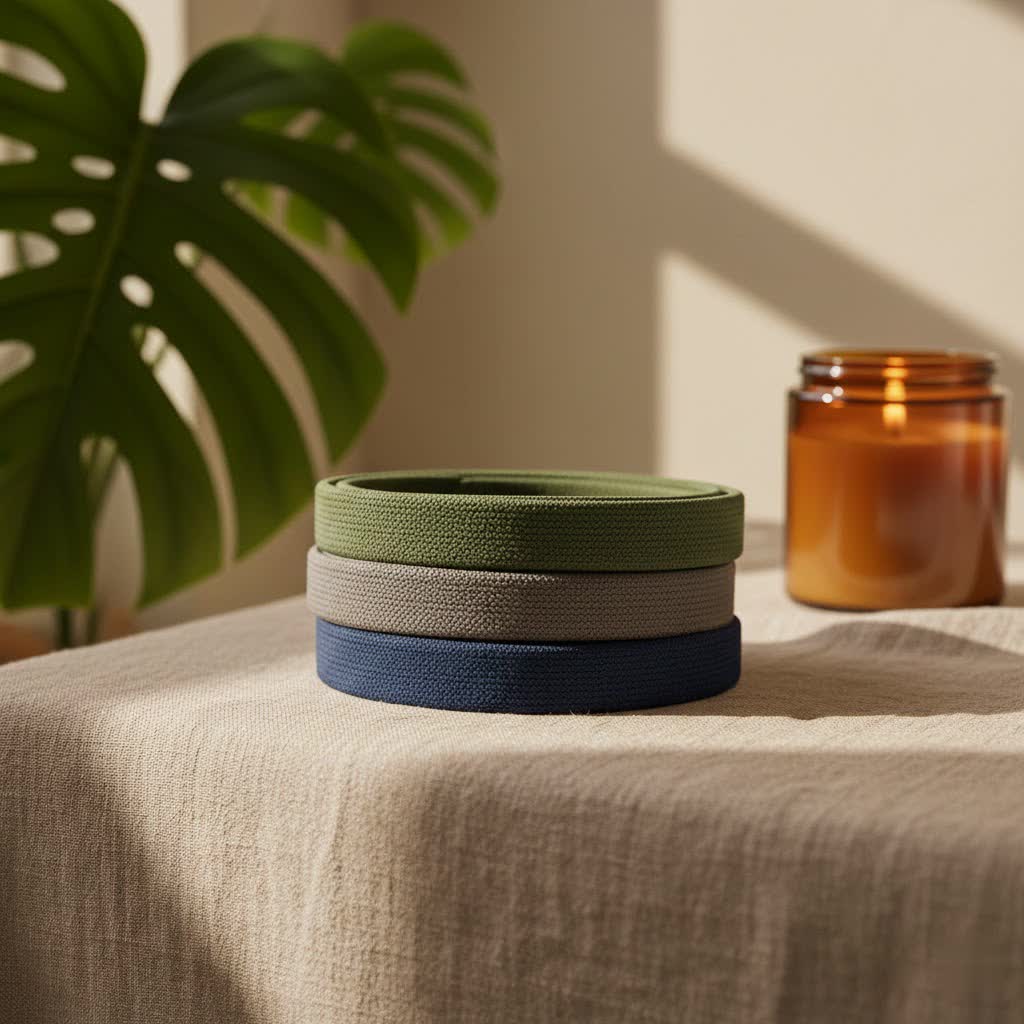
- Loop Bands (Mini-Bands/Booty Bands): These are small, continuous loops, typically used for lower body exercises to target glutes, hips, and thighs. They come in both latex and fabric versions. Fabric loop bands are often favored for their non-slip properties and comfort against the skin, preventing rolling or pinching during intense movements.
- Power/Assist Bands (Large Loop Bands): Thicker and longer than mini-bands, these continuous loops offer significant resistance. They are excellent for assisted pull-ups, powerlifting, stretching, and adding resistance to compound movements like squats and deadlifts. They vary widely in resistance, often color-coded for easy identification.
- Tube Bands with Handles: These bands feature a hollow tube design, usually made of latex, with comfortable handles on each end. They are highly versatile for upper body pushing and pulling exercises, such as bicep curls, tricep extensions, chest presses, and rows. Many sets come with ankle straps and a door anchor, expanding the range of possible exercises for a full-body workout.
- Flat Resistance Bands (Therapy Bands): Often found in physical therapy settings, these thin, wide, flat sheets of latex or rubber are open-ended. They provide lighter resistance and are ideal for stretching, rehabilitation exercises, and improving flexibility and mobility. They can be tied or held to create custom loops or tension.
Each type has its distinct advantages. Mini-bands excel at isolation exercises and activating smaller muscle groups. Power bands are fantastic for compound movements and progressive strength training. Tube bands with handles mimic cable machines, offering a wide range of motion for push-pull exercises. Flat bands are unparalleled for gentle stretching and targeted recovery.
Comparing Top Resistance Band Brands
Choosing a resistance band often comes down to brand reputation, material quality, and specific design features. Many brands have emerged as leaders in the market, each with unique strengths.
Detailed Comparison Table
|
Our Picks for the Best Resistance Bands in 2026
As an Amazon Associate I earn from qualifying purchases.
|
||
| Num | Product | Action |
|---|---|---|
| 1 | Pull Up Bands, Resistance Bands, Pull Up Assistance Bands Set for Men & Women, Exercise Workout Bands for Working Out, Body Stretching, Physical Therapy, Muscle Training |

|
| 2 | Resistance Bands, Pull Up Assist Bands - Workout Bands, Eexercise Bands, Long Resistance Bands Set for Working Out, Fitness, Training, Physical Therapy for Men Women |
|
| 3 | Resistance Bands for Working Out, 5-Pack Elastic Exercise Bands for Strength Training, Stretching, Workout; Home Gym Equipment for Women Men, Pilates Yoga Physical Therapy, Leg Glute Arm Exercise Kit |
|
| 4 | 6PCS Silicone Ankle Strap for Swimming, Legs Resistance Exercise Swim Band, Aquatic Resistance Belt, General Swimming AIDS for Kids and Adults |
|
| 5 | Pull Up Assistance Bands, 5-Level Resistance Bands for Working Out, Pull Up Bands for Men & Women, Exercise Bands for Full-Body Training, Fitness, Physical Therapy, Stretch Workout Bands at Home, Gym |
|
| 6 | Upgraded Pedal Resistance Band with Handle, Soft Durable Fashion Puller Exercise with Thickened 6 Tension Ropes, Tube Pedal Resistance Device for Abdomen, Waist, Arm, Leg, Core/ABS |
|
| 7 | WHATAFIT Resistance Bands, Exercise Bands,Resistance Bands for Working Out, Work Out Bands with Handles for Men and Women Fitness, Strength Training Home Gym Equipment |
|
| 8 | VEICK Resistance Bands, Exercise Bands, Workout Bands, Resistance Bands for Working Out with Handles for Men and Women, Exercising Bands for Fitness Weights Work Out at Home |
|
| 9 | Resistance Bands for Working Out with Workout Bands Guide. 4 Booty Bands for Women Men Fabric Elastic Bands for Exercise Bands Resistance Bands for Legs Bands for Working Out Hip Thigh Glute Bands Set |
|
| 10 | 5 Pcs Professional Resistance Bands. Latex-Free, Elastic Band, Work Out Bands, Stretch Bands for Working Out Women or Men, Exercise Bands Set for Physical Therapy, Yoga, Pilates |
|
| Feature | Bodylastics (Tube Bands) | Victorem (Fabric Loop Bands) | Rogue (Power Bands/Tube Bands) | Whatafit (Tube Band Set) | Fit Simplify (Latex Loop Bands) |
|---|---|---|---|---|---|
| Material | High-quality latex | Durable fabric/elastic blend | Natural latex rubber | Natural latex | Heavy-duty latex |
| Durability | Very high, anti-snap technology | Excellent, no rolling/pinching | Exceptional, “overbuilt” | Good, steel clips | Good, but can eventually fail |
| Resistance | Wide range (up to 400 lbs stackable) | Light to extra-heavy (specific ranges) | Very wide range (15-200+ lbs) | 10-50 lbs (stackable to 150 lbs) | Extra-light to extra-heavy |
| Price | Mid-range to premium | Mid-range | Premium | Budget-friendly | Very budget-friendly |
| User Reviews | Highly rated for quality/versatility | Praised for comfort/non-slip | Top-tier for serious lifters | Popular for value/versatility | Best-seller for beginners/value |
| Key Feature | Patented anti-snap safety, stackable | Non-slip fabric, comfortable | Extreme durability, pull-up assistance | Comprehensive set with accessories | Simple, effective, portable |
Bodylastics are renowned for their anti-snap safety features and stackable resistance, making them a premium choice for full-body workouts. Victorem fabric bands are a favorite for lower-body workouts due to their comfort and ability to stay put without rolling. Rogue offers highly durable, “overbuilt” bands, particularly popular for powerlifting and pull-up assistance, though they might have a rubber smell initially. Whatafit provides a budget-friendly yet versatile set, complete with handles and door anchors, ideal for those seeking a complete home gym solution without breaking the bank. Fit Simplify offers an accessible entry point for beginners, with a basic set of latex loops at a very affordable price point.
How to Choose the Right Resistance Bands
Selecting the perfect resistance bands involves considering your fitness goals, current strength level, and personal preferences. A thoughtful approach ensures you invest in bands that will truly support your training.
Determine Your Training Goals
What do you primarily want to achieve with resistance bands? If your goal is strength training and muscle building, you’ll need power bands or tube bands with higher resistance levels. For physical therapy or rehabilitation, lighter flat bands or lower-resistance loop bands are more appropriate. If you’re focusing on glute activation or lower body toning, fabric mini-loop bands will be your best friend. For travel workouts or a versatile home gym, a comprehensive set of tube bands with accessories is often ideal. Understanding your objective will narrow down your choices considerably.
Select the Appropriate Resistance Level
Matching the resistance level to your current fitness level and the exercise you plan to perform is crucial. Bands are typically color-coded, with each color representing a different resistance level (e.g., yellow for light, red for medium, black for heavy). As a general rule, beginners should start with lighter bands to perfect form before moving to heavier ones. For some exercises, you might need a lighter band (like shoulder lateral raises), while for others, you’ll need a much heavier one (like squats or deadlifts). Many brands offer sets with multiple resistance levels, allowing you to progress over time and use different bands for different exercises. Consider purchasing a set that includes a variety of resistances to ensure versatility.
Consider Material and Durability
The material of your resistance band significantly impacts its performance, feel, and lifespan. Most resistance bands are made from latex or a fabric blend. Latex bands offer excellent elasticity and a smooth, consistent resistance. However, some people have latex allergies, and lower-quality latex can sometimes snap or roll up. Fabric resistance bands, typically made from a cotton-polyester blend with elastic fibers, are highly durable, comfortable against the skin, and less prone to rolling or pinching, especially during lower-body movements.
To check for durability, look for bands with strong stitching (for fabric), high-quality latex (for rubber), and robust connectors or handles (for tube bands). Brands that offer warranties or guarantees often indicate higher confidence in their product’s longevity.
Brand Reputation and Pricing
While the market is flooded with options, sticking to reputable brands often ensures better quality, safety, and customer support. Brands like Bodylastics, Rogue, Serious Steel, and Victorem consistently receive high praise for their durability and performance.
The price of resistance bands can vary widely, from very affordable mini-loop sets to premium, heavy-duty power bands or comprehensive tube band systems. Expect to pay more for higher-quality materials, advanced safety features, and additional accessories like handles, door anchors, and ankle straps. While it’s tempting to opt for the cheapest option, investing a bit more in a durable, reliable set can save you money and frustration in the long run.
Effective Full-Body Resistance Band Workouts
Resistance bands are incredibly versatile, allowing you to perform a vast array of exercises that target every major muscle group. Here are some effective movements to incorporate into your routine:
- Upper Body:
- Bicep Curls: Stand on the band, holding one end in each hand, palms up. Curl your hands towards your shoulders against the band’s resistance.
- Tricep Extensions: Hold the band overhead with one hand, letting it hang behind you. Grab the bottom with your other hand and extend your arm upwards.
- Shoulder Press: Stand on the middle of the band, hold the ends at shoulder height, and press overhead.
- Band Rows: Loop the band around a sturdy anchor point (like a pole or door anchor), sit or stand, and pull the handles towards your torso, squeezing your shoulder blades.
- Lower Body:
- Squats: Place a loop band above your knees or stand on a power band, holding the ends at your shoulders, and perform squats. The band will provide external resistance, especially on the way up.
- Glute Bridges: Lie on your back with a loop band above your knees. Drive your hips up, pressing your knees outwards against the band.
- Lunges: Stand on the band with one foot, holding the ends at your shoulders, and perform lunges.
- Lateral Walks: Place a mini-loop band above your knees or around your ankles. Stay in a slightly squatting position and take small steps sideways, keeping tension on the band.
- Core:
- Pallof Press: Attach a tube band to a sturdy anchor at chest height. Stand perpendicular to the anchor, hold the band with both hands, and press it straight out from your chest, resisting the rotational pull.
- Band Crunches: Lie on your back, loop a resistance band around your feet, and hold the other end with your hands behind your head. Perform crunches, pulling against the band’s resistance.
When performing resistance band exercises, always focus on slow, controlled movements. Avoid snapping the bands back into place, as this can cause injury. Maintain tension throughout the exercise and listen to your body.
Where to Buy Trustworthy Resistance Bands
When you’re ready to purchase resistance bands, knowing where to find reliable products is key to a satisfying investment.
You can typically find quality resistance bands at specialty sports and fitness stores. These establishments often carry a curated selection of brands and their staff can offer advice. For a wider variety and competitive pricing, online retailers are an excellent option. Major platforms like Amazon, Rogue Fitness, Bodylastics, and directly from brands like Victorem offer extensive selections, often with user reviews to help guide your decision.
When buying online, always check for seller reputation, read customer reviews for insights into durability and actual resistance levels, and verify the return policy. Be wary of unbranded, unusually cheap sets, as their quality and safety may be compromised.
Maintaining and Cleaning Your Resistance Bands Properly
To ensure your resistance bands have a long and effective lifespan, proper care and maintenance are essential.
- Storage: Store your bands in a cool, dry place away from direct sunlight, extreme temperatures, and sharp objects. UV light and heat can degrade the rubber or fabric over time, reducing elasticity and durability. A mesh bag, often included with sets, is perfect for storage and portability.
- Cleaning: After use, especially if you’ve worked up a sweat, wipe down latex or rubber bands with a damp cloth and mild soap. For fabric bands, a gentle hand wash with mild detergent and air drying is best. Avoid harsh chemicals or machine washing, which can damage the elastic fibers. Ensure bands are completely dry before storing them to prevent mildew or stickiness.
- Inspection: Before each workout, quickly inspect your bands for any nicks, tears, or signs of wear. Even small imperfections can compromise the band’s integrity and potentially lead to snapping during use. If you notice significant wear, it’s safer to replace the band.
Common Mistakes When Using Resistance Bands
While resistance bands are generally safe and effective, several common mistakes can hinder your progress or even lead to injury. Knowing these pitfalls can help you avoid them.
- Choosing the Wrong Resistance: Using a band that’s too light won’t provide enough challenge for muscle growth, while a band that’s too heavy can compromise form and lead to injury. Start lighter and gradually increase resistance as you get stronger.
- Snapping or Letting the Band Recoil Quickly: This not only reduces the effectiveness of the exercise by disengaging muscles but can also be dangerous if the band snaps back. Control the band’s movement on both the concentric and eccentric phases of an exercise.
- Improper Form: Just like with weights, poor form with resistance bands can lead to inefficient workouts and potential injury. Always prioritize correct technique over heavy resistance. Watch tutorials and perform exercises in front of a mirror to ensure your form is precise.
- Overstretching Bands: Each band has a maximum stretch capacity. Exceeding this can lead to premature wear, tearing, or snapping. If a band feels too tight or requires excessive force to stretch, you likely need a lighter band or a different exercise.
- Ignoring Band Care: Neglecting proper storage and cleaning can drastically shorten your bands’ lifespan, making them less effective and potentially unsafe.
Buying Guide: Making Your Final Choice
Navigating the market for resistance bands can feel overwhelming with so many options. This buying guide simplifies the decision-making process.
Budget Considerations
Before diving into options, set a realistic budget. High-quality resistance bands are an investment in your fitness, but you don’t always need the most expensive set. Basic latex loop bands can be found for under $15-$20, while comprehensive tube band sets with all accessories might range from $30-$100 or more. Fabric bands often fall in the mid-range. Consider what you need: a single heavy band for pull-ups, a set of mini-loops, or a versatile full-body system.
Purchase Location: Online vs. In-Store
Both online and brick-and-mortar stores have their advantages. Buying online typically offers a wider selection, competitive pricing, and the convenience of home delivery. However, you can’t physically test the bands. In-store purchases allow you to feel the material, assess the resistance firsthand, and get immediate advice from sales staff. If possible, consider visiting a store to get a feel for different types and brands, then compare prices online.
The Value of User Reviews
Don’t underestimate the power of user reviews. They provide real-world insights into a product’s durability, actual resistance levels, comfort, and common issues. Look for reviews that mention long-term use, how the bands perform under sweat, and whether they met the users’ specific fitness goals. Pay attention to both overwhelmingly positive and consistently negative feedback to get a balanced view.
“Resistance bands offer unparalleled versatility and portability, making fitness accessible anywhere. The key is to match the band to your goal and always prioritize form.” – Dr. Sarah Miller, Certified Strength and Conditioning Specialist
Conclusion
Resistance bands are a powerful, adaptable tool that can significantly elevate your fitness journey, whether you’re a seasoned athlete or just starting out. By understanding the different types, prioritizing quality materials, and choosing the right resistance levels for your goals, you can unlock a world of effective workouts. Remember to properly care for your bands to ensure their longevity and always focus on form to maximize results and prevent injury. With the perfect set of resistance bands, your fitness potential is truly limitless. So, what specific fitness goal are you hoping to achieve with your new resistance bands?
Frequently Asked Questions
What are the main differences between latex and fabric resistance bands?
Latex resistance bands are known for their high elasticity and smooth, consistent tension, making them versatile for a wide range of exercises. Fabric bands, typically made from a cotton-polyester blend, are generally more durable, comfortable against the skin, and less prone to rolling, pinching, or breaking, especially during lower-body movements. Fabric bands often have a slightly different feel in terms of stretch and are favored for glute and hip activation.
Can resistance bands replace dumbbells for strength training?
Resistance bands can be an excellent supplement or alternative to dumbbells, especially for specific exercises, rehabilitation, or when traveling. They provide constant tension throughout the movement, which can effectively build strength and muscle endurance. However, for maximum progressive overload and building raw strength, a combination of bands and free weights is often most effective. They excel at challenging muscles in ways dumbbells cannot.
How do I know what resistance level to choose if I’m a beginner?
If you’re a beginner, it’s best to start with a lighter resistance band. This allows you to focus on mastering proper form and technique without being overwhelmed by too much tension. Many resistance band sets come with multiple bands ranging from extra-light to heavy, providing a good starting point and allowing for gradual progression as your strength improves. Always prioritize form over the heaviest band.
Are resistance bands good for physical therapy and injury recovery?
Absolutely. Resistance bands are widely used in physical therapy for rehabilitation and injury recovery due to their low-impact nature and ability to provide controlled resistance. They allow for targeted strengthening of specific muscle groups, improve range of motion, and can aid in regaining stability without putting excessive stress on joints. Lighter, flat bands or low-resistance loop bands are often recommended for these purposes.
