Have you ever wondered if tiny fitness tools can deliver massive results? If you’re looking to intensify your workouts, target specific muscle groups with precision, or simply stay fit on the go, short resistance bands are about to become your new best friend. These compact powerhouses are transforming how people approach strength training, offering an incredibly versatile and effective way to challenge your body, prevent injuries, and achieve remarkable fitness gains. This guide will walk you through everything you need to know, from understanding what makes them unique to mastering the best exercises and choosing the perfect set for your needs.
What Are Short Resistance Bands and Why Use Them?
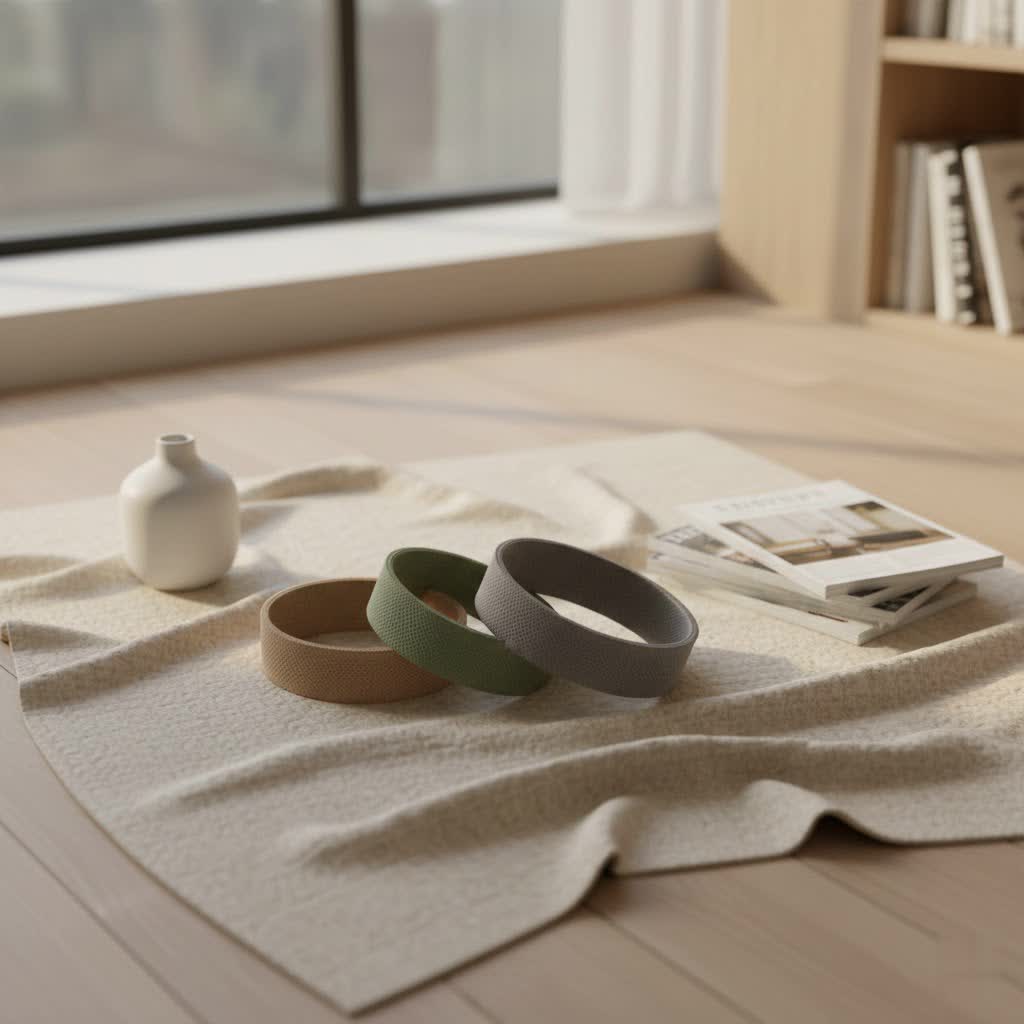
Short resistance bands, often known as mini bands, loop bands, or hip circles, are continuous loops of elastic material, typically ranging from 10 to 12 inches in length when laid flat, or 20 to 24 inches in circumference. Unlike their longer counterparts, these bands are designed for movements with a smaller range of motion, providing concentrated tension that powerfully engages muscles. They are primarily used by placing them around the ankles, knees, or thighs, though they can also be incorporated into some upper body and core exercises.
The benefits of integrating short resistance bands into your routine are extensive. They excel at muscle activation, helping you “wake up” underactive muscles, especially in the glutes, before heavier lifts. This focused resistance is invaluable for targeting specific, often hard-to-reach muscle groups like the hip abductors, external rotators, and smaller stabilizing muscles around your joints. By strengthening these areas, short resistance bands play a crucial role in injury prevention and rehabilitation, improving joint stability around the knees, hips, and shoulders. Their compact size makes them incredibly portable, perfect for home workouts, travel, or quick gym sessions when space or equipment is limited. Furthermore, they allow you to increase workout intensity and build muscle strength, improve flexibility, and tone your physique by adding consistent tension throughout an exercise.
Popular Types of Short Resistance Bands
When exploring short resistance bands, you’ll primarily encounter two main types: latex/rubber bands and fabric bands. Each offers distinct characteristics that might suit different preferences and workout styles.
Latex or Rubber Bands are the most common and often the most affordable option. They are made from natural or synthetic rubber, providing a smooth, consistent stretch.
- Pros: They are highly elastic, come in a wide range of resistance levels (typically color-coded from extra light to extra heavy), and are generally very compact.
- Cons: Some individuals may have latex allergies. They can sometimes roll up or pinch the skin during exercises, especially when placed directly on bare legs or if they are thinner. Durability can also vary, with cheaper versions prone to snapping over time.
Fabric Bands, often referred to as “booty bands” due to their popularity in lower body workouts, are made from a blend of cotton or polyester fabric and elastic.
- Pros: Their soft, woven material makes them much more comfortable against the skin, virtually eliminating pinching and rolling, which is a common complaint with latex bands. They tend to be more durable and less likely to snap, offering a premium feel. Many fabric bands also have a non-slip grip on the inside to keep them securely in place during dynamic movements.
- Cons: They are generally more expensive than latex bands. Due to their material, they often offer a slightly different feel of resistance, which some find less “snappy” than rubber. They may also have a more limited range of resistance levels compared to the extensive options found in latex sets.
Regardless of the material, short resistance bands are available in various resistance levels, from very light for warm-ups and beginners to extra heavy for advanced strength training. These levels are usually indicated by different colors, making it easy to track your progress and choose the appropriate band for each exercise.
How to Choose the Right Short Resistance Bands
Selecting the perfect short resistance bands is key to maximizing your workouts and ensuring a comfortable, effective experience. Consider these factors to make an informed choice.
Determine Your Fitness Goals
Your primary objective should guide your band selection. Are you looking to:
- Activate glutes before a heavy lifting session? Lighter to medium resistance latex or fabric bands will work well.
- Build lower body strength and muscle? You’ll need a range of medium to heavy resistance bands, with fabric bands often preferred for their comfort and stability during intense glute and leg exercises.
- Aid in rehabilitation or improve mobility around specific joints? Lighter resistance bands, possibly even flat latex bands, are ideal for controlled, gentle movements.
- Maintain fitness while traveling or working out in small spaces? Portability will be a priority, making compact latex sets a great choice.
|
Our Picks for the Best Resistance Bands in 2026
As an Amazon Associate I earn from qualifying purchases.
|
||
| Num | Product | Action |
|---|---|---|
| 1 | Upgraded Pedal Resistance Band with Handle, Soft Durable Fashion Puller Exercise with Thickened 6 Tension Ropes, Tube Pedal Resistance Device for Abdomen, Waist, Arm, Leg, Core/ABS |

|
| 2 | Pull Up Bands, Resistance Bands, Pull Up Assistance Bands Set for Men & Women, Exercise Workout Bands for Working Out, Body Stretching, Physical Therapy, Muscle Training |
|
| 3 | VEICK Resistance Bands, Exercise Bands, Workout Bands, Resistance Bands for Working Out with Handles for Men and Women, Exercising Bands for Fitness Weights Work Out at Home |
|
| 4 | Resistance Bands for Working Out, 5-Pack Elastic Exercise Bands for Strength Training, Stretching, Workout; Home Gym Equipment for Women Men, Pilates Yoga Physical Therapy, Leg Glute Arm Exercise Kit |
|
| 5 | Pull Up Assistance Bands, 5-Level Resistance Bands for Working Out, Pull Up Bands for Men & Women, Exercise Bands for Full-Body Training, Fitness, Physical Therapy, Stretch Workout Bands at Home, Gym |
|
| 6 | Resistance Bands for Working Out with Workout Bands Guide. 4 Booty Bands for Women Men Fabric Elastic Bands for Exercise Bands Resistance Bands for Legs Bands for Working Out Hip Thigh Glute Bands Set |
|
| 7 | Resistance Bands, Pull Up Assist Bands - Workout Bands, Eexercise Bands, Long Resistance Bands Set for Working Out, Fitness, Training, Physical Therapy for Men Women |
|
| 8 | WHATAFIT Resistance Bands, Exercise Bands,Resistance Bands for Working Out, Work Out Bands with Handles for Men and Women Fitness, Strength Training Home Gym Equipment |
|
| 9 | 6PCS Silicone Ankle Strap for Swimming, Legs Resistance Exercise Swim Band, Aquatic Resistance Belt, General Swimming AIDS for Kids and Adults |
|
| 10 | 5 Pcs Professional Resistance Bands. Latex-Free, Elastic Band, Work Out Bands, Stretch Bands for Working Out Women or Men, Exercise Bands Set for Physical Therapy, Yoga, Pilates |
|
Selecting the Right Resistance Level
Resistance bands are typically color-coded, with lighter colors indicating less resistance and darker colors signifying more. It’s advisable to purchase a set with multiple resistance levels (e.g., light, medium, heavy, extra-heavy).
- Beginners should start with lighter bands to focus on form and muscle connection.
- Intermediate users can progress to medium and heavy bands to challenge their strength.
- Advanced athletes will benefit from heavy to extra-heavy bands for maximum muscle engagement and progressive overload.
Having a range allows you to use different bands for different exercises or muscle groups, and to progress as your strength improves. Don’t be afraid to try a lighter band for upper body work and a heavier one for glute exercises.
Material Matters: Latex vs. Fabric
The material significantly impacts performance and comfort:
- Latex/Rubber Bands: These are great for general use, highly elastic, and usually more affordable. They offer a good “snap” and are very compact. However, they can roll or pinch, especially during dynamic leg movements. If you have latex allergies, avoid these.
- Fabric Bands: Known for superior comfort and durability, fabric bands (often with a non-slip grip) are excellent for lower body workouts, as they stay in place and won’t pinch. They tend to be more expensive but offer a more premium, long-lasting experience, preventing the frustration of bands bunching up.
Considering Brand and Value
While many brands offer short resistance bands, investing in a reputable one can ensure quality, durability, and consistent resistance. Look for brands known for layered latex construction for rubber bands or high-quality fabric blends for cloth bands. Price often reflects quality, but you can find great value options. Reading user reviews can provide real-world insights into a band’s performance and longevity.
Effective Short Resistance Band Exercises for a Full Body
Short resistance bands are powerhouses for targeting specific muscles, especially in the lower body, but they can also add a unique challenge to upper body and core work. Proper form is crucial to maximize benefits and prevent injury.
Lower Body (Glutes & Legs):
These are where short resistance bands truly shine, making them indispensable for glute activation and strengthening.
- Lateral Band Walks: Place the band around your ankles, just above your knees, or around your thighs. Stand with feet hip-width apart, knees slightly bent, and chest up. Take small, controlled steps sideways, keeping tension on the band. This targets the gluteus medius, improving hip stability.
- Squats (Banded): Place the band just above your knees. As you squat down, actively press your knees outwards against the band, engaging your glutes and preventing knee collapse.
- Glute Bridges: Lie on your back with knees bent, feet flat on the floor, and the band just above your knees. Drive your hips up, squeezing your glutes, and push your knees outwards against the band.
- Clam Shells: Lie on your side with knees bent, heels together, and the band just above your knees. Keeping your feet together, lift your top knee towards the ceiling, rotating at the hip. Slowly lower it back down.
- Fire Hydrants: Start on all fours with the band just above your knees. Keeping your knee bent at 90 degrees, lift one leg out to the side, like a dog at a fire hydrant, maintaining a stable core.
- Standing Kickbacks: Place the band around your ankles. Lightly hold onto a support. Kick one leg straight back, squeezing the glute, keeping the core engaged, and avoiding arching your lower back.
Upper Body & Core:
While longer bands are generally better for full range-of-motion upper body exercises, short bands can still add a unique challenge.
- Band Pull-Aparts: Hold a short band with both hands, arms extended in front of you at shoulder height. Pull the band apart, squeezing your shoulder blades together, keeping your arms straight or slightly bent. This is excellent for shoulder health and posture.
- Overhead Press (Modified): For lighter resistance, you can loop a band around your wrists or forearms and perform overhead presses, focusing on shoulder stability and controlled movement.
- Bicep Curls (Modified): Stand on one end of a band with your foot, and hold the other end with your hand. Perform bicep curls, keeping your elbow tucked in. This may require a longer short band or specific positioning.
- Mountain Climbers (Banded): In a plank position, place the band around your feet (just above the toes). Drive one knee towards your chest against the band’s resistance, then alternate. This intensifies core and hip flexor engagement.
Important Tips for Proper Form:
- Start Light: Always begin with a lighter resistance to master the movement pattern before increasing intensity.
- Maintain Tension: Keep constant tension on the band throughout the exercise; don’t let it go slack.
- Controlled Movements: Focus on slow, controlled movements, especially during the eccentric (lowering) phase, to maximize muscle engagement.
- Listen to Your Body: If you feel sharp pain, stop the exercise immediately.
Top Short Resistance Band Brands and Where to Buy
Choosing the right brand for your short resistance bands is an important decision, impacting durability, comfort, and the effectiveness of your workouts. Below is a detailed comparison of some leading brands, along with where you can typically purchase them.
Detailed Comparison Table
| Brand | Primary Material | Resistance Range | Average Price (Set) | Key Features / User Review Summary |
|---|---|---|---|---|
| Mark Bell Sling Shot Hip Circle | Fabric | Medium to Heavy | $30-$45 | Premium fabric, excellent for glute activation, doesn’t roll or pinch, highly durable. A staple for lifters. |
| Fit Simplify | Latex/Rubber | Extra Light to Extra Heavy | $10-$20 | Great value, comprehensive sets, good for beginners, versatile. Can sometimes roll for some users. |
| Gymreapers Hip Bands | Fabric | Light to Heavy | $20-$35 | High-quality fabric, comfortable, non-slip interior, excellent for glute and leg workouts. |
| Victorem Booty Bands | Fabric (Cotton/Latex) | Medium to Heavy | $15-$25 | Durable fabric, non-slip design, strong resistance, favored for static lower-body exercises. |
| Titan Fitness Loop Bands | Latex/Rubber | Light to X-Heavy | $15-$30 | Heavy-duty, robust, good for a wide range of strength training. Can be more rigid than some. |
| REP Fitness Circle Hip Bands | Fabric | Light, Medium, Heavy | $20-$40 | Comfortable fabric, great for lower body work, consistent tension, good reputation for quality fitness gear. |
Note: Prices are approximate and can vary based on retailers and promotions.
Where to Buy:
- Online Retailers:
- Amazon: Offers the widest selection, including popular brands like Fit Simplify, Victorem, and various generic options. You can easily compare prices and read extensive user reviews.
- Specialty Fitness Websites: Sites like Rogue Fitness, Titan Fitness, and REP Fitness directly sell their branded bands, often offering higher quality and more specialized products for serious lifters. Brands like Mark Bell Sling Shot are also often found on their own dedicated sites or other reputable fitness gear retailers.
- Other Online Marketplaces: Websites like eBay or Walmart.com may also carry various brands, sometimes at competitive prices.
- Brick-and-Mortar Stores:
- Sporting Goods Stores: Major retailers like Dick’s Sporting Goods or Decathlon often stock a range of resistance bands, allowing you to feel the material and assess resistance levels in person.
- Local Gyms/Fitness Studios: Some gyms or personal training studios sell bands directly, often from brands they trust and use in their own programs.
When buying online, pay close attention to the product descriptions regarding material, dimensions, and included resistance levels. Customer reviews are an invaluable resource for understanding the real-world performance and durability of the bands.
Maintaining Your Short Resistance Bands for Longevity
To ensure your short resistance bands remain effective and last for years, proper care and maintenance are essential. Just like any other piece of fitness equipment, they require a little attention.
Cleaning Tips:
After each workout, especially if you sweat heavily or use them outdoors, it’s a good practice to wipe down your bands.
- For Latex/Rubber Bands: Use a damp cloth with a mild soap (like hand soap or dish soap) to gently wipe away sweat and dirt. Avoid harsh chemical cleaners, as these can degrade the rubber over time, making it brittle. Rinse the cloth and wipe again to remove any soap residue.
- For Fabric Bands: These can often be hand-washed with mild soap and water. For a deeper clean, some fabric bands might be machine washable on a gentle cycle with cold water, but always check the manufacturer’s instructions first.
- Drying: Always allow your bands to air dry completely before storing them. Lay them flat on a clean towel or hang them in a well-ventilated area away from direct sunlight. Never put them in a dryer, as heat can damage the elastic properties.
Storage Recommendations:
How you store your bands greatly impacts their lifespan.
- Keep Them Dry: Ensure bands are completely dry before storing to prevent mildew or stickiness (for latex).
- Cool, Dark Place: Store bands away from direct sunlight, extreme heat, or cold. UV rays and high temperatures can break down the elastic material, leading to cracks and reduced elasticity. A drawer, a dedicated mesh bag, or a closed container in a closet are ideal.
- Avoid Sharp Objects: Do not store bands with sharp objects that could nick or tear them. Even a small cut can compromise the band’s integrity.
- Prevent Stretching: Avoid storing bands in a stretched position for extended periods, as this can prematurely wear out the elastic.
Inspecting for Wear and Tear:
Before each workout, quickly inspect your bands for any signs of damage.
- Latex/Rubber Bands: Look for small nicks, tears, cracks, or areas that appear faded or excessively stretched. These are signs of impending breakage.
- Fabric Bands: Check for fraying, loose threads, or areas where the elastic inside might be visible or damaged.
If you notice significant wear, it’s safer to replace the band to avoid injury during a workout. A well-maintained set of short resistance bands will serve you effectively for a long time, supporting your fitness journey.
Common Mistakes to Avoid When Using Short Resistance Bands
While short resistance bands are incredibly effective, misusing them can lead to frustration, reduced results, or even injury. Being aware of common pitfalls can help you get the most out of your training.
1. Incorrect Resistance Choice: A frequent mistake is using a band that’s either too light or too heavy for a specific exercise.
- Too Light: If a band offers no challenge, you won’t effectively stimulate muscle growth or activation. The exercise will feel too easy, and you might not achieve the desired muscle fatigue.
- Too Heavy: Conversely, a band that’s too strong can lead to improper form, compensating with other muscles, or struggling to complete the full range of motion. This can put undue stress on joints and increase injury risk. Always start with a lighter band to master form, then gradually increase resistance.
2. Poor Form and Compensatory Movements: When the resistance is too challenging, or you’re rushing through movements, your body will naturally try to compensate. For example, during banded squats, your knees might collapse inwards despite the band, or you might arch your back excessively during glute bridges.
- Focus on slow, controlled movements, prioritizing muscle engagement over speed or heavier resistance. If your form breaks down, switch to a lighter band.
3. Ignoring Band Wear and Tear: Resistance bands, especially latex ones, can degrade over time. Using a frayed, cracked, or stretched-out band is a recipe for snapping, which can cause injury.
- Regularly inspect your bands for any signs of damage before each workout. Replace them as soon as you notice significant wear.
4. Not Warming Up Properly: While short resistance bands are excellent for activation, they shouldn’t replace a full dynamic warm-up. Jumping straight into intense banded exercises without preparing your muscles and joints can still lead to strain.
- Integrate banded exercises into your warm-up after some light cardio and dynamic stretches, but don’t rely solely on them.
5. Allowing the Band to Roll or Pinch: This is more common with latex bands on bare skin. When a band rolls, it concentrates pressure on a smaller area, causing discomfort or pinching, and can distract from the exercise.
- Consider investing in fabric bands, which are designed to stay in place. If using latex bands, adjust them carefully, or wear workout leggings to create a barrier against your skin.
By avoiding these common errors, you can ensure a safer, more effective, and enjoyable workout experience with your short resistance bands.
Buying Guide
Ready to add short resistance bands to your fitness arsenal? This buying guide will help you navigate the options and make a confident purchase.
Set Your Budget
Short resistance bands come at a variety of price points, so determining how much you’re willing to spend is a great starting point.
- Entry-Level (Under $20): You can find complete sets of latex/rubber mini bands from brands like Fit Simplify. These are excellent for beginners or those who want a portable, affordable option to try out. While they offer good value, durability might be less compared to premium options, and rolling/pinching can be an issue.
- Mid-Range ($20-$40): This category often includes high-quality latex sets or good-value fabric band sets from brands like Gymreapers or Victorem. These typically offer better durability, more consistent resistance, and improved comfort, especially with fabric options that resist rolling. This is often the sweet spot for many users.
- Premium ($40+): Top-tier fabric bands, such as the Mark Bell Sling Shot Hip Circle or REP Fitness Circle Hip Bands, fall into this range. These are designed for maximum comfort, superior durability, and often boast advanced non-slip features. If you’re serious about your glute and leg training and want the best user experience, these are worth the investment.
Online vs. In-Store Purchase
Each purchasing method has its own advantages:
- Online (e.g., Amazon, specialty fitness websites):
- Pros: Wider selection of brands and types, competitive pricing, convenience of home delivery, and access to numerous customer reviews for detailed insights.
- Cons: You can’t physically test the resistance or feel the material before buying, which can sometimes lead to surprises. Shipping times can vary.
- In-Store (e.g., sporting goods stores, local gyms):
- Pros: Ability to see and touch the bands, test the resistance, and get immediate expert advice from staff. Instant gratification – no waiting for shipping.
- Cons: Limited selection compared to online stores, prices might be slightly higher, and fewer customer reviews available for comparison.
If possible, visiting a store to get a feel for different materials and resistance levels can be beneficial, then you can decide if buying online for a wider selection or better price is preferable.
Reading User Reviews
Never underestimate the power of user reviews, especially when buying online.
- Look for patterns: Do multiple reviewers mention issues with rolling, durability, or inconsistent resistance? Or do they consistently praise comfort and effectiveness?
- Pay attention to specifics: Reviewers often mention which exercises the bands excel at, how they feel on different body parts (e.g., “doesn’t pinch on bare skin”), or how they’ve held up over time.
- Consider diverse feedback: Read reviews from people with different fitness levels and body types, as their experiences may vary and offer a more complete picture.
By thoughtfully considering your budget, deciding on your preferred shopping method, and leveraging the insights from other users, you can confidently choose the short resistance bands that best support your fitness journey.
Conclusion
Short resistance bands are far more than simple elastic loops; they are versatile, powerful tools that can elevate your training, making them a staple for anyone passionate about fitness. Whether your goal is to sculpt stronger glutes, prevent injuries, or simply add a new dimension to your home workouts, these compact bands deliver targeted resistance that free weights often can’t match. They offer incredible portability, allowing you to maintain your fitness routine anywhere, anytime, without bulky equipment.
By understanding the different types, selecting the appropriate resistance, and mastering effective exercises, you can unlock a new level of strength and stability. Remember to prioritize proper form, maintain your bands carefully, and avoid common pitfalls to ensure a safe and effective workout experience. Are you ready to discover the profound impact these small but mighty bands can have on your fitness journey?
Frequently Asked Questions
Are short resistance bands good for beginners?
Yes, short resistance bands are excellent for beginners. They provide a manageable level of resistance that helps build foundational strength, improve muscle activation, and learn proper form without the intimidation or high impact of traditional weights. Starting with lighter bands allows beginners to focus on muscle connection and technique before progressing.
What is the difference between short and long loop bands?
The primary difference lies in their length and intended use. Short loop bands (mini bands) are typically 10-12 inches long and are designed for exercises with a smaller range of motion, largely targeting the lower body for glute activation, hip stability, and accessory work. Long loop bands are much longer (41 inches or more) and offer greater versatility for full-body strength training, assisted pull-ups, dynamic stretching, and larger movements like squats and deadlifts where more stretch is required.
Can I build muscle with just short resistance bands?
While short resistance bands can build and tone muscle, especially for smaller muscle groups and glutes, they are generally best used as part of a varied training program. They excel at activation, improving muscular endurance, and adding progressive overload to bodyweight exercises. For significant muscle hypertrophy across all major muscle groups, combining them with other forms of resistance, like heavier weights or longer bands, often yields the most comprehensive results.
How do I clean my resistance bands?
To clean latex/rubber bands, wipe them down with a damp cloth and a mild soap, then rinse off any residue and allow them to air dry completely. For fabric bands, hand-washing with mild soap and water is usually best, or follow manufacturer instructions for machine washing on a gentle cycle. Always ensure bands are fully dry before storing them in a cool, dark place away from direct sunlight and sharp objects.
