Are you looking for a versatile, portable, and effective way to elevate your fitness routine? Whether you’re a seasoned gym-goer or just starting your wellness journey, resistance band sets offer an unparalleled solution for building strength, improving flexibility, and achieving a full-body workout anywhere. These elastic powerhouses provide a dynamic challenge to your muscles, mimicking the benefits of free weights without the bulk or high cost. This comprehensive guide will explore everything you need to know about resistance band sets, helping you select the perfect set and integrate it seamlessly into your fitness regimen for lasting results.
What Are Resistance Bands and Why Use a Set?
Resistance bands are elastic tools used for strength training and physical therapy, providing tension that muscles must work against when stretched. Unlike traditional free weights that offer constant resistance, resistance bands provide variable resistance, meaning the tension increases as the band is stretched further. This unique characteristic makes them exceptionally effective for targeting muscles throughout their full range of motion.
Opting for a resistance band set is particularly beneficial because it typically includes multiple bands with varying resistance levels. This allows for progressive overload—gradually increasing the challenge as your strength improves—and caters to different exercises and muscle groups. A set ensures you have the right tool for every movement, from light warm-ups to heavy strength training, and makes them suitable for multiple users or varying fitness levels within a household. Their portability and affordability further cement their status as an essential component of any home gym or travel fitness kit.
Popular Types of Resistance Band Sets
The world of resistance bands offers diverse options, each designed for specific purposes and training styles. Understanding the different types available in a set can help you choose the most effective tools for your workouts.
Loop Bands (Power Bands and Mini Bands)
Loop bands are continuous, circular bands available in varying lengths and widths.
- Power Bands: These are long, thick loops, often used for assisted pull-ups, squats, deadlifts, and compound movements. Their length allows them to be anchored around sturdy objects or used for larger ranges of motion.
- Mini Bands: These are shorter, smaller loops, primarily used for glute and hip activation exercises, lateral movements, and adding resistance to bodyweight exercises like squats and lunges. They are excellent for targeting smaller muscle groups and improving stability.
|
Our Picks for the Best Resistance Bands in 2026
As an Amazon Associate I earn from qualifying purchases.
|
||
| Num | Product | Action |
|---|---|---|
| 1 | WHATAFIT Resistance Bands, Exercise Bands,Resistance Bands for Working Out, Work Out Bands with Handles for Men and Women Fitness, Strength Training Home Gym Equipment |

|
| 2 | Resistance Bands, Pull Up Assist Bands - Workout Bands, Eexercise Bands, Long Resistance Bands Set for Working Out, Fitness, Training, Physical Therapy for Men Women |
|
| 3 | Resistance Bands for Working Out with Workout Bands Guide. 4 Booty Bands for Women Men Fabric Elastic Bands for Exercise Bands Resistance Bands for Legs Bands for Working Out Hip Thigh Glute Bands Set |
|
| 4 | Resistance Bands for Working Out, 5-Pack Elastic Exercise Bands for Strength Training, Stretching, Workout; Home Gym Equipment for Women Men, Pilates Yoga Physical Therapy, Leg Glute Arm Exercise Kit |
|
| 5 | Upgraded Pedal Resistance Band with Handle, Soft Durable Fashion Puller Exercise with Thickened 6 Tension Ropes, Tube Pedal Resistance Device for Abdomen, Waist, Arm, Leg, Core/ABS |
|
| 6 | VEICK Resistance Bands, Exercise Bands, Workout Bands, Resistance Bands for Working Out with Handles for Men and Women, Exercising Bands for Fitness Weights Work Out at Home |
|
| 7 | 5 Pcs Professional Resistance Bands. Latex-Free, Elastic Band, Work Out Bands, Stretch Bands for Working Out Women or Men, Exercise Bands Set for Physical Therapy, Yoga, Pilates |
|
| 8 | 6PCS Silicone Ankle Strap for Swimming, Legs Resistance Exercise Swim Band, Aquatic Resistance Belt, General Swimming AIDS for Kids and Adults |
|
| 9 | Pull Up Bands, Resistance Bands, Pull Up Assistance Bands Set for Men & Women, Exercise Workout Bands for Working Out, Body Stretching, Physical Therapy, Muscle Training |
|
| 10 | Pull Up Assistance Bands, 5-Level Resistance Bands for Working Out, Pull Up Bands for Men & Women, Exercise Bands for Full-Body Training, Fitness, Physical Therapy, Stretch Workout Bands at Home, Gym |
|
Tube Bands with Handles
Tube bands are cylindrical and typically come with handles attached at each end, often with carabiner clips that allow for interchangeability. These sets frequently include a door anchor and ankle straps, enabling a wider array of exercises that mimic cable machines and dumbbells. They are ideal for upper body exercises such as bicep curls, tricep extensions, chest presses, and rows, providing a comfortable grip for controlled movements.
Fabric Resistance Bands (Booty Bands)
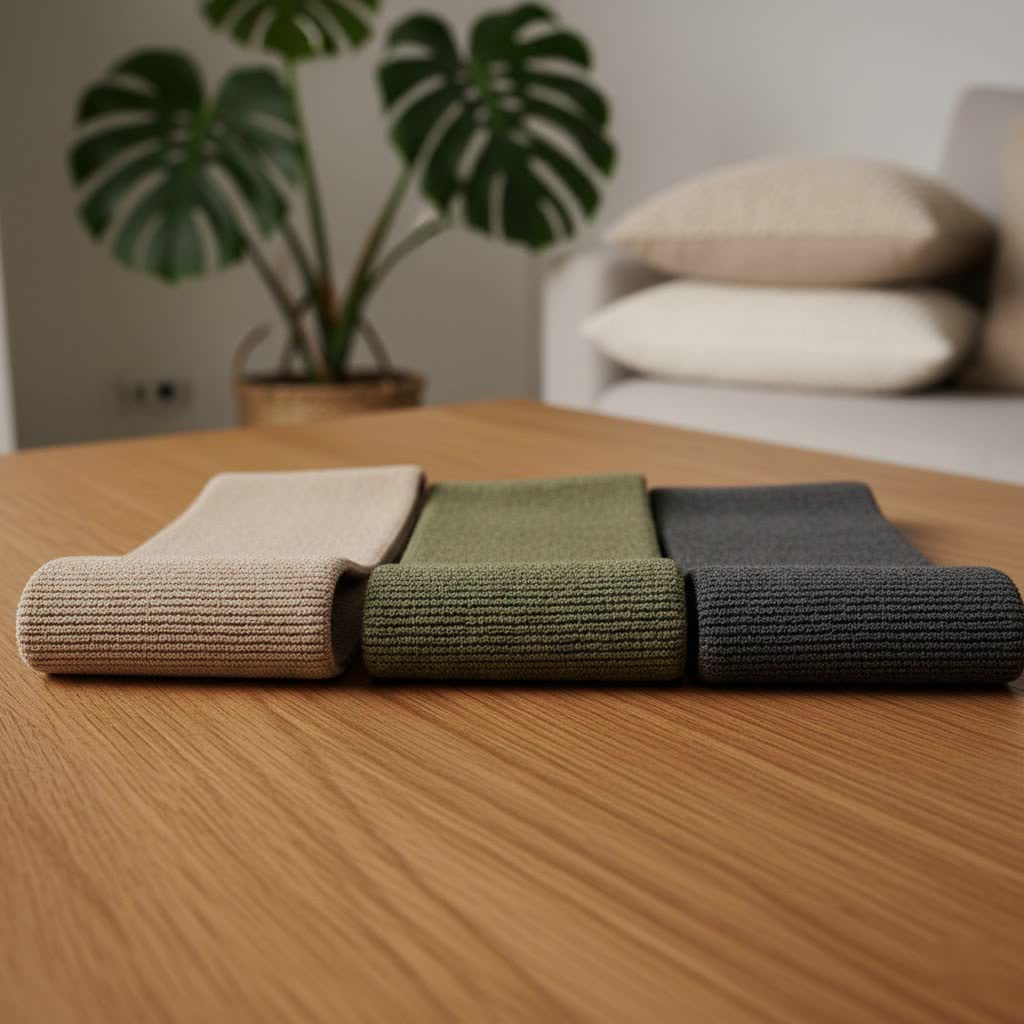
Fabric bands are shorter, wider loops made from a comfortable cotton-polyester blend. Unlike latex bands, fabric bands are less prone to rolling, pinching skin, or snapping, making them a popular choice for lower body workouts. They provide consistent resistance for exercises targeting the glutes, hips, and thighs, such as glute bridges, squats, and lateral walks.
Other Specialized Resistance Bands
- Figure-8 Bands: Shaped like the number eight, these bands usually have soft grips on both ends and are effective for isolating specific smaller muscle groups in the arms and legs.
- Therapy Bands: Often flat, wide, and long, these bands typically offer lighter resistance, making them ideal for rehabilitation, stretching, and mobility work.
- Ankle Resistance Bands: Designed to loop around each ankle, these bands add resistance to exercises like side steps and leg lifts, focusing on hip abduction and lower body stability.
Comparing Top Resistance Band Set Brands
When investing in a resistance band set, several reputable brands stand out for their quality, durability, and versatility. While specific models and features vary, a general comparison can highlight what to look for.
Detailed Comparison Table
| Feature / Brand | Whatafit | Bodylastics | Rogue Fitness | Fitbeast | VEICK | CFX |
|---|---|---|---|---|---|---|
| Material | Latex | Latex | Latex | Latex | Latex | Fabric |
| Durability | Good | Excellent | Excellent | Very Good | Good | Very Good |
| Resistance Range | 10-50 lbs (stackable up to 150 lbs) | Varies, high stackable resistance | Varies, often heavy-duty loops | Varies, typically 5 levels | Varies, multi-level sets | Light-Heavy (3 levels) |
| Price Point | Budget-friendly | Mid-range to High | High | Budget-friendly | Mid-range | Budget-friendly |
| Included Accessories | Handles, ankle straps, door anchor, carry bag | Handles, door anchor, ankle straps, carry bag | Individual bands, some sets with anchors/straps | Handles, door anchor, ankle straps, carry bag | Handles, door anchor, ankle straps, carry bag | Carry bag |
| Target Use | Full-body, versatile | Strength & conditioning | Powerlifting, assistance | All-rounder, home gym | Versatile, full-body | Lower body, non-slip |
| Key Differentiator | Great value, comprehensive set | Patented anti-snap technology | Heavy-duty, professional grade | Good value, diverse resistance | Overall good performance | Comfortable, non-slip fabric |
Note: Prices and specific offerings may vary by retailer and over time.
> “The true value of a resistance band set lies in its adaptability. A good set empowers you to scale your workouts, target every muscle, and maintain consistency, regardless of your location.” – Dr. Alex Chen, Certified Strength & Conditioning Specialist
How to Choose the Right Resistance Band Set
Selecting the ideal resistance band set requires considering your personal fitness goals, current strength level, and preferences.
Determine Your Fitness Goals
Your objectives should guide your choice.
- Strength & Muscle Building: Look for sets with higher resistance levels, often power bands or heavy tube bands that can be stacked.
- Toning & Endurance: Medium to light resistance bands, including mini bands, are excellent for higher repetitions and muscle endurance.
- Rehabilitation & Flexibility: Lighter resistance bands, especially flat therapy bands, are suitable for controlled movements and stretching.
- Full-Body Workouts: Comprehensive sets that include a mix of loop bands and tube bands with accessories will offer the most versatility.
Selecting the Appropriate Resistance Level
Most resistance band sets are color-coded to indicate their resistance level (e.g., yellow for light, green for medium, black for heavy). While some brands have slight variations, a general rule is that lighter colors mean less resistance.
- Beginners: Start with lighter bands to focus on form and control. A set with a clear progression from extra-light to medium is ideal.
- Intermediate to Advanced: You’ll likely need medium to heavy bands, and potentially extra-heavy power bands for compound lifts or assistance exercises like pull-ups. Stackable tube bands allow you to combine resistances for an even greater challenge.
Material and Durability Matters
Resistance bands are typically made from latex, rubber, or fabric.
- Latex/Rubber Bands: Offer excellent stretch and a wide range of resistance. They are versatile for most exercises but can sometimes roll up or pinch skin, especially thinner loop bands. Always inspect latex bands for nicks or tears before use to prevent snapping.
- Fabric Bands: Known for their comfort and non-slip properties, fabric bands (often used as “booty bands”) are perfect for lower body exercises as they stay put. They tend to be highly durable and less likely to snap.
Accessories and Set Inclusions
Consider what additional tools come with the set:
- Handles: Essential for comfortable grip with tube bands, especially for upper body and pressing movements.
- Door Anchors: Great for anchoring tube bands to a door frame, allowing for exercises like rows, chest presses, and lateral raises.
- Ankle Straps: Useful for attaching tube bands for leg exercises like kickbacks and leg curls.
- Carrying Bag: A convenient addition for portability, allowing you to take your workout anywhere.
Brand Reputation and Value
Reading customer reviews and seeking recommendations from fitness professionals can provide insight into a brand’s quality, durability, and customer service. While budget-friendly options are available, investing in a reputable brand often translates to higher quality materials and longer-lasting bands. Look for brands that offer warranties or guarantees.
Effective Full-Body Resistance Band Workouts
Resistance band sets are incredibly versatile, allowing you to perform a wide range of exercises targeting every major muscle group. Here’s a sample of effective full-body movements:
Upper Body
- Resistance Band Chest Press: Loop a tube band around a door anchor behind you. Hold handles, step forward to create tension, and press forward like a push-up.
- Resistance Band Rows: Anchor a tube band to a door or sturdy object at chest height. Hold handles, step back for tension, and pull the handles towards your torso, squeezing your shoulder blades.
- Resistance Band Bicep Curls: Stand on a loop band or hold the center of a tube band under your feet. Hold the other end(s) in your hands and curl up towards your shoulders.
- Resistance Band Tricep Extensions: Hold a tube band handle in one hand behind your head, with the band anchored under your foot or to a door. Extend your arm upwards, focusing on the triceps.
- Resistance Band Overhead Press: Stand on a loop band or hold tube band handles under your feet. Bring the bands to shoulder height and press overhead.
Lower Body
- Resistance Band Squats: Place a loop band above your knees or stand on a power band, holding the ends at shoulder height. Perform squats, pushing against the band’s resistance.
- Resistance Band Glute Bridges: Lie on your back with a mini band or fabric band above your knees. Lift your hips off the floor, pushing your knees outwards against the band.
- Resistance Band Lateral Walks: Place a mini band or fabric band around your ankles or above your knees. Take small, controlled steps sideways, maintaining tension.
- Resistance Band Kickbacks: Use an ankle strap attached to a tube band anchored to a low point. Kick one leg backward, squeezing the glute.
- Resistance Band Lunges: Stand on a loop band or tube band with one foot, holding the band in front of your chest. Step back into a lunge.
Core
- Resistance Band Pallof Press: Anchor a tube band at chest height. Stand perpendicular to the anchor, holding the band with both hands in front of your chest. Press the band straight out, resisting rotation.
- Resistance Band Wood Chop: Anchor a tube band high or low. Hold the handle with both hands and rotate your torso, pulling the band diagonally across your body.
- Resistance Band Bicycle Crunches: Lie on your back with a mini band around your feet. Perform bicycle crunches, maintaining tension in the band.
For each exercise, aim for 3 sets of 10-15 repetitions, adjusting the band’s resistance to ensure your muscles are fatigued by the last few reps. Rest for 30-60 seconds between sets.
Where to Purchase Quality Resistance Band Sets
Finding a reliable source for your resistance band set is crucial for ensuring quality and durability.
- Online Retailers: Major e-commerce platforms like Amazon, Walmart, and dedicated fitness equipment websites (e.g., Rogue Fitness, Bodylastics) offer a vast selection of brands and types. Online shopping provides convenience, competitive pricing, and access to numerous customer reviews.
- Specialized Fitness Stores: Local sporting goods stores or fitness equipment retailers often carry a selection of resistance band sets. While the variety might be smaller, you can physically inspect the bands and receive expert advice.
When buying online, always check the seller’s reputation, read customer reviews, and verify the return policy. Look for clear product descriptions that detail materials, resistance levels, and included accessories.
Proper Care and Common Mistakes to Avoid
To maximize the lifespan of your resistance band set and ensure safety, proper care and awareness of common mistakes are essential.
Care and Maintenance
- Regular Inspection: Before each use, thoroughly inspect your bands for any nicks, tears, or signs of wear, especially near attachment points. Discontinue use if damage is found to prevent snapping.
- Cleaning: Wipe down latex and rubber bands with a damp cloth after use to remove sweat and dirt. For fabric bands, spot clean or hand wash as needed and allow to air dry completely. Avoid harsh chemicals or abrasive cleaners.
- Storage: Store bands in a cool, dry place away from direct sunlight and extreme temperatures, which can degrade the material. Keep them flat or loosely coiled to prevent creasing or stretching.
- Avoid Overstretching: Resistance bands have an elastic limit. Overstretching them beyond 2.5 times their resting length can cause premature wear or snapping.
Common Mistakes to Avoid
- Using the Wrong Resistance: Starting with a band that’s too heavy can lead to improper form and injury, while a band that’s too light won’t provide sufficient challenge for muscle growth. Always match the resistance to your exercise and fitness level.
- Improper Anchoring: Ensure door anchors are securely placed in a closed door and always test them with light tension first. Avoid anchoring bands to sharp edges or unstable objects that could damage the band or lead to slippage.
- Jerky Movements: Control is key with resistance bands. Avoid sudden, jerky motions, especially when releasing tension, as this can increase the risk of the band snapping or causing injury.
- Neglecting Warm-Up and Cool-Down: Just like with any workout, preparing your muscles with a warm-up and aiding recovery with a cool-down is crucial, even with resistance bands.
Detailed Buying Guide: Investing in Your Fitness
Making an informed decision about your resistance band set can significantly impact your workout experience and results.
Budgeting for Your Band Set
Resistance band sets are generally more affordable than traditional weights or gym memberships. Prices can range from $15-$20 for basic mini-band sets to $50-$100+ for comprehensive tube band sets with all accessories or premium power band sets. Determine your budget but prioritize quality and durability, especially if you plan on frequent use. A slightly higher investment upfront can save you money and frustration in the long run.
Online vs. In-Store Shopping
- Online: Offers the widest selection, often better prices, and the convenience of home delivery. You can easily compare brands and read reviews. The downside is you can’t physically feel the band’s resistance or material before purchase.
- In-Store: Allows you to physically inspect the product, test the feel of the material, and gauge resistance levels firsthand. Sales associates can also offer personalized recommendations. However, selection might be limited, and prices could be slightly higher.
Leveraging User Reviews and Expert Opinions
Customer reviews provide valuable insights into real-world performance, durability, and common issues. Look for reviews that mention specific exercises or body types. Additionally, many fitness experts and online publications regularly review and recommend resistance band sets, offering informed perspectives based on rigorous testing. These resources can help validate your choices and uncover hidden gems.
Conclusion
Resistance band sets are a powerful, versatile, and accessible tool for anyone looking to enhance their fitness journey. From building strength and increasing flexibility to aiding in recovery and enabling full-body workouts anywhere, their benefits are undeniable. By understanding the different types, choosing the right resistance levels, prioritizing quality materials, and practicing proper care, you can unlock a world of effective and safe training. Investing in a good resistance band set is an investment in your health, providing endless possibilities to challenge your body and achieve your fitness goals.
Ready to transform your workouts? What aspect of your fitness routine are you most excited to revolutionize with resistance bands?
Frequently Asked Questions
Are resistance band sets effective for building muscle?
Yes, resistance band sets are highly effective for building muscle. They provide constant tension throughout the exercise range of motion, which can stimulate muscle growth (hypertrophy) and increase strength. Using a set allows for progressive overload, enabling you to increase resistance as you get stronger.
How often should I use resistance bands?
You can use resistance bands daily, especially for warm-ups, mobility, or rehabilitation. For strength training and muscle building, aim for 2-4 sessions per week, allowing muscle groups 24-48 hours of rest between intense workouts.
Can beginners use resistance band sets?
Absolutely. Resistance band sets are excellent for beginners because they allow for controlled movements and gradually increasing resistance. Starting with lighter bands helps build proper form and muscle memory before progressing to heavier resistance.
What’s the difference between loop bands and tube bands?
Loop bands are continuous circular bands (like large rubber bands) used for compound movements, pull-up assistance, or glute activation. Tube bands are typically straight with handles on each end, often used with door anchors or ankle straps to mimic dumbbell and cable machine exercises.
How do I clean my resistance bands?
To clean latex or rubber resistance bands, wipe them down with a damp cloth and mild soap (if necessary) after use. Let them air dry completely. For fabric bands, spot clean or hand wash gently and air dry. Avoid machine washing or drying, harsh chemicals, and direct sunlight to prolong their life.
