Are you looking for a versatile, effective, and portable tool to transform your workouts? Resistance bands are revolutionizing how people approach fitness, offering a dynamic alternative or complement to traditional weights. Whether you’re a seasoned athlete or just beginning your fitness journey, these simple yet powerful elastic tools can help you build strength, increase flexibility, and achieve your fitness goals from virtually anywhere. This comprehensive guide will explore everything you need to know about exercising with resistance bands, ensuring you harness their full potential.
What Are Resistance Bands and Why Use Them?
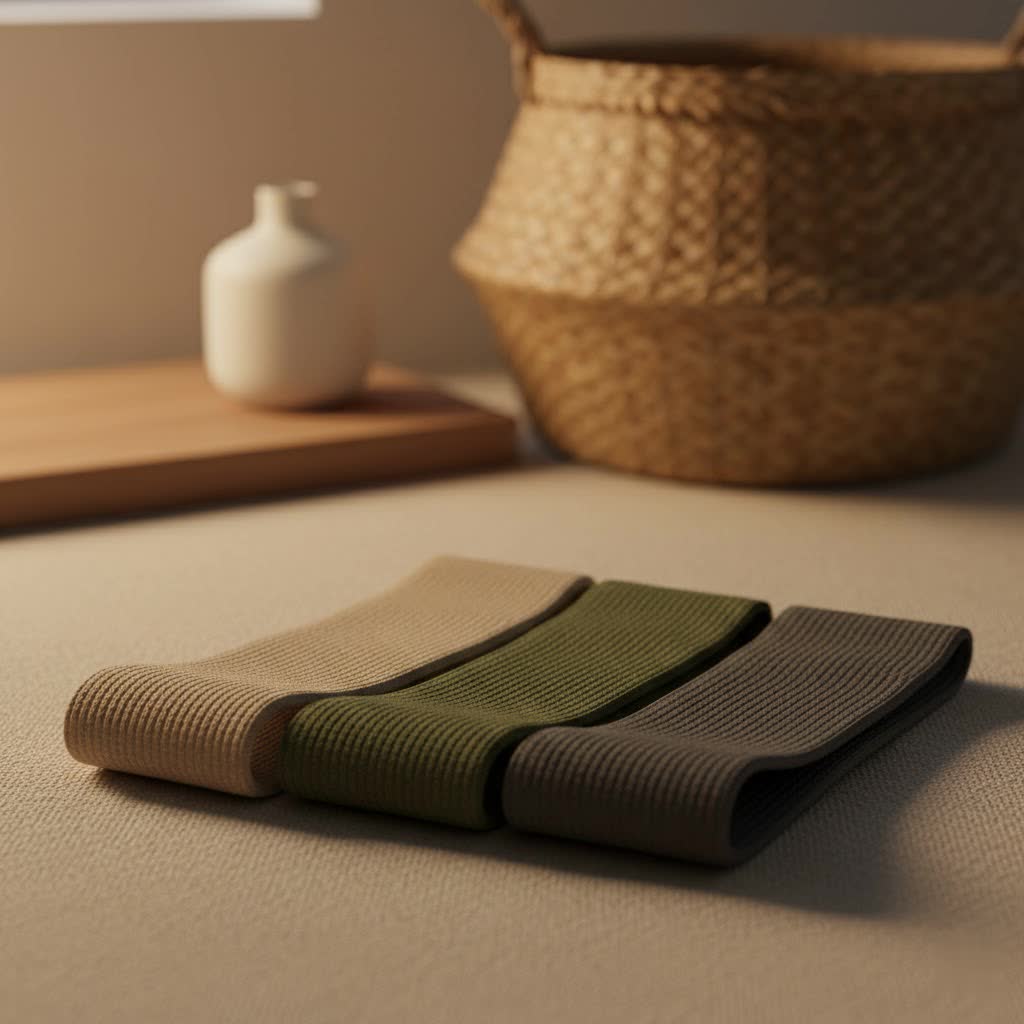
Resistance bands are elastic straps or loops made from latex, rubber, or fabric that provide tension when stretched, engaging your muscles throughout the entire range of motion. They are an incredibly adaptable piece of fitness equipment, suitable for diverse fitness levels and training objectives, from gentle rehabilitation to intense strength building.
The benefits of incorporating resistance bands into your routine are extensive. They effectively stimulate muscles, leading to improved strength, increased muscle mass, and better muscle tone. Unlike free weights, resistance bands offer continuous tension, which can enhance muscle activation and promote progressive overload. They are also gentle on joints, reducing the risk of injury, and are frequently used in physical therapy for injury recovery and improved mobility. Their lightweight and compact design makes them an ideal, cost-effective solution for home workouts or while traveling. Additionally, strength training with resistance bands can contribute to better heart health and even assist in fat loss by boosting metabolism.
Popular Types of Resistance Bands on the Market
The world of resistance bands offers a variety of types, each designed for specific exercises and muscle groups. Understanding these differences is key to selecting the right tools for your workout.
Loop Bands
- Mini Loop Bands (or Glute Bands/Booty Bands): These are small, continuous loops typically made from latex or fabric. They are excellent for lower body exercises, particularly for activating and strengthening the glutes, hips, and thighs. Fabric versions often provide a non-slip experience.
- Power Bands (or Pull-Up Assist Bands): These are thicker, heavy-duty, long loop bands (often over 40 inches). They come in a wide range of resistance levels and are incredibly versatile. Power bands are used for assisted pull-ups, squats, deadlifts, and adding resistance to barbell movements.
|
Our Picks for the Best Resistance Bands in 2026
As an Amazon Associate I earn from qualifying purchases.
|
||
| Num | Product | Action |
|---|---|---|
| 1 | Pull Up Bands, Resistance Bands, Pull Up Assistance Bands Set for Men & Women, Exercise Workout Bands for Working Out, Body Stretching, Physical Therapy, Muscle Training |

|
| 2 | Pull Up Assistance Bands, 5-Level Resistance Bands for Working Out, Pull Up Bands for Men & Women, Exercise Bands for Full-Body Training, Fitness, Physical Therapy, Stretch Workout Bands at Home, Gym |
|
| 3 | VEICK Resistance Bands, Exercise Bands, Workout Bands, Resistance Bands for Working Out with Handles for Men and Women, Exercising Bands for Fitness Weights Work Out at Home |
|
| 4 | Resistance Bands, Pull Up Assist Bands - Workout Bands, Eexercise Bands, Long Resistance Bands Set for Working Out, Fitness, Training, Physical Therapy for Men Women |
|
| 5 | Resistance Bands for Working Out with Workout Bands Guide. 4 Booty Bands for Women Men Fabric Elastic Bands for Exercise Bands Resistance Bands for Legs Bands for Working Out Hip Thigh Glute Bands Set |
|
| 6 | 5 Pcs Professional Resistance Bands. Latex-Free, Elastic Band, Work Out Bands, Stretch Bands for Working Out Women or Men, Exercise Bands Set for Physical Therapy, Yoga, Pilates |
|
| 7 | WHATAFIT Resistance Bands, Exercise Bands,Resistance Bands for Working Out, Work Out Bands with Handles for Men and Women Fitness, Strength Training Home Gym Equipment |
|
| 8 | Resistance Bands for Working Out, 5-Pack Elastic Exercise Bands for Strength Training, Stretching, Workout; Home Gym Equipment for Women Men, Pilates Yoga Physical Therapy, Leg Glute Arm Exercise Kit |
|
| 9 | Upgraded Pedal Resistance Band with Handle, Soft Durable Fashion Puller Exercise with Thickened 6 Tension Ropes, Tube Pedal Resistance Device for Abdomen, Waist, Arm, Leg, Core/ABS |
|
| 10 | 6PCS Silicone Ankle Strap for Swimming, Legs Resistance Exercise Swim Band, Aquatic Resistance Belt, General Swimming AIDS for Kids and Adults |
|
Tube Bands with Handles
Tube bands feature elastic tubing with a handle at each end, often accompanied by a door anchor and ankle straps. They mimic exercises typically performed with cable machines or dumbbells, making them ideal for upper body workouts such as bicep curls, tricep extensions, shoulder presses, and rows. The handles provide a comfortable and secure grip.
Flat Resistance Bands (Therapy Bands)
These are long, flat, latex strips without handles, commonly used in physical therapy and rehabilitation. They offer lighter resistance levels, making them perfect for stretching, mobility work, warm-ups, and gentle strengthening exercises, especially for post-injury recovery or targeting smaller muscle groups.
Figure-8 Bands
Shaped like the number eight, these shorter bands have two loops and a central section. They are designed for isolating smaller muscle groups, particularly in the upper body and shoulders, offering controlled tension.
Ankle Resistance Bands
Specifically designed to loop around the ankles, these bands add resistance to lower body movements like side steps, leg lifts, and hip abduction exercises, effectively targeting the glutes and outer thighs.
Each type has unique advantages, allowing you to create a comprehensive and varied workout program.
Comparing Popular Resistance Band Brands
The market is flooded with resistance band brands, each offering varying qualities, materials, and price points. While a definitive “best” often depends on individual needs, several brands consistently receive high praise for durability, resistance, and user satisfaction.
Detailed Comparison Table
When evaluating brands, consider the material (natural latex for elasticity, synthetic for allergy-friendliness, fabric for non-slip comfort), durability (some brands offer multi-year warranties), resistance levels (ensuring a good range for progression), and overall value. For instance, Rogue Monster Bands are lauded for their thick, durable natural latex and high resistance levels, making them a favorite for serious strength training and pull-up assistance. For glute-focused workouts, BC Strength Glute Loops and Victorem Fabric Resistance Bands are highly rated for their robust fabric construction that prevents rolling and slipping. Brands like Whatafit and Supalak offer comprehensive sets with various bands, handles, and anchors, providing excellent versatility and value for full-body home workouts. TheraBand remains a go-to for therapy and rehabilitation due to its consistent, lighter resistance options.
> “The continuous tension from resistance bands challenges muscles throughout their entire range of motion, providing a unique stimulus that can be difficult to replicate with free weights alone.” – Dr. Emily Thorne, Sports Physiotherapist
How to Choose the Right Resistance Bands
Selecting the ideal resistance bands is crucial for effective and safe workouts. Your choice should align with your fitness level, goals, and personal preferences.
Define Your Workout Goals
Before purchasing, clarify what you aim to achieve. Are you looking to build significant muscle mass, improve flexibility, aid in rehabilitation, or simply add variety to your existing routine?
- Strength Training/Muscle Growth: You’ll need bands with higher resistance levels, often power bands or heavy tube bands.
- Rehabilitation/Mobility: Lighter resistance therapy bands or light loop bands are usually more appropriate.
- Full-Body Workouts at Home: A versatile set with various resistance levels and accessories (handles, door anchor) is ideal.
Select the Appropriate Resistance Level
Resistance bands are typically color-coded, but beware: colors often vary by brand. Always check the manufacturer’s specifications for the actual resistance in pounds.
- Beginners: Start with light or extra-light bands. You should be able to complete 10-15 repetitions with good form while feeling challenged. It’s better to start lighter and progress than to go too heavy and risk injury.
- Intermediate/Advanced: You’ll likely need a range of medium to heavy bands, or even extra-heavy power bands for advanced movements.
- Building a Collection: Many experts recommend having a mini-collection of bands across different resistance levels to accommodate various exercises and muscle groups.
Consider Material and Durability
Resistance bands are generally made from latex, synthetic rubber (TPE), or fabric.
- Latex Bands: Offer excellent elasticity and are often more affordable. However, some individuals may have latex allergies, and they can be prone to rolling up during certain exercises.
- Fabric Bands: Provide superior comfort, are less likely to roll or slip, and are generally more durable. They are especially popular for lower body exercises.
- Synthetic Rubber (TPE): A latex-free alternative that still offers good elasticity.
Always inspect bands for signs of wear such as cracks or thinning before purchasing, and prioritize brands known for their robust construction and warranties.
Brand and Price
While premium brands like Rogue and BC Strength offer exceptional durability and performance, many reputable mid-range brands provide excellent quality and value. Read user reviews to gauge real-world performance and longevity. Prices can vary significantly, from inexpensive mini-band sets to comprehensive, higher-priced full-body systems. Determine your budget, but prioritize quality for safety and long-term use.
Effective Full-Body Resistance Band Exercises
Resistance bands can be incorporated into a wide array of exercises to target every major muscle group. Here are some effective movements for a full-body workout:
-
For Legs and Glutes:
- Banded Squats: Place a mini loop band above your knees. Stand with feet shoulder-width apart, and perform squats, pushing your knees outwards against the band.
- Glute Bridges: Lie on your back with a mini loop band above your knees. Lift your hips off the ground, squeezing your glutes, and maintain tension on the band.
- Lateral Band Walks: Place a band around your ankles or above your knees. Take small, controlled steps sideways, keeping tension on the band to engage your hip abductors.
- Resistance Band Lunges: Step on the center of a tube band with one foot, holding the handles at shoulder height. Step back with the other foot into a lunge, feeling the resistance.
-
For Chest and Back:
- Resistance Band Push-Ups: Loop a power band around your back and under your hands while in a push-up position. The band will add resistance as you push up.
- Band Rows: Anchor a tube band to a sturdy object or stand on it. Pull the handles towards your torso, squeezing your shoulder blades together.
- Chest Press: Anchor a tube band behind you at chest height. Hold the handles and press forward, extending your arms like a dumbbell chest press.
- Face Pulls: Anchor a tube band at chest height. Grab both handles with an overhand grip and pull the band towards your face, leading with your elbows.
-
For Arms and Shoulders:
- Bicep Curls: Stand on the center of a tube band, holding a handle in each hand. Curl your hands towards your shoulders, keeping your elbows tucked.
- Tricep Extensions: Anchor a tube band overhead or hold it behind your back. Extend your arms straight overhead or behind you, engaging your triceps.
- Shoulder Press: Stand on a tube band, holding handles at shoulder height. Press your arms straight overhead.
- Lateral Raises: Stand on a light resistance band, holding one end in each hand. Raise your arms out to the sides to shoulder height, keeping a slight bend in your elbows.
-
For Core:
- Banded Plank: Place a mini loop band around your ankles or above your knees. Hold a plank position, focusing on keeping your body stable against the band’s pull.
- Pallof Press: Anchor a tube band to your side at chest height. Grab the handle with both hands and press it straight out in front of you, resisting the rotational pull of the band.
Remember to prioritize proper form over heavy resistance. Slow, controlled movements will maximize muscle engagement and prevent injury.
Where to Buy Reliable Resistance Bands?
Finding high-quality resistance bands is easier than ever, with numerous options available both online and in physical stores.
- Online Retailers: Websites like Amazon, Rogue Fitness, Living.Fit, and dedicated fitness equipment sites offer a vast selection. Look for brands with strong customer reviews, detailed product descriptions, and good return policies.
- Sporting Goods Stores: Retailers such as Decathlon, Dick’s Sporting Goods, or local fitness shops often carry a range of resistance bands. This allows you to physically feel the material and assess resistance levels before purchasing.
- Specialty Stores: Some physical therapy clinics or specialized fitness boutiques may offer curated selections of bands, often with expert guidance.
When buying online, pay close attention to the specified resistance levels, material type, and whether accessories like handles or door anchors are included. Always check for a warranty, as it indicates the manufacturer’s confidence in their product’s durability.
Proper Care and Cleaning of Resistance Bands
To ensure your resistance bands remain effective and last for years, proper care and cleaning are essential.
- Storage: Always store your bands in a cool, dry place, away from direct sunlight, extreme heat, or cold. UV rays and high temperatures can degrade latex and rubber, making them brittle and prone to snapping. Many bands come with a storage bag; use it to protect them from dust and tangling.
- Cleaning: After each use, especially if they’ve been exposed to sweat, wipe down your bands with a damp cloth and a mild soap solution. Avoid harsh chemicals, alcohol-based cleaners, or abrasive materials, as these can break down the elastic properties of latex and rubber. For fabric bands, you can often machine wash them on a gentle, cool cycle with mild detergent, but always air dry them thoroughly.
- Drying: Allow your bands to air dry completely before storing them. Never use heat sources like hairdryers, which can cause damage.
- Inspection: Before every workout, take a moment to inspect your bands for any signs of wear and tear—small nicks, tears, thinning spots, or discoloration. If a band shows significant damage, it’s safer to replace it to prevent it from snapping during use.
- Usage Best Practices:
- Avoid stretching bands beyond their recommended limit (often about 2 to 2.5 times their resting length).
- Do not knot resistance bands, as this creates weak points and increases the risk of breakage.
- Ensure any anchor points are smooth, sturdy, and free of sharp edges that could cut or fray the band.
Following these simple maintenance tips will significantly extend the lifespan of your resistance bands and ensure your workouts remain safe and effective.
Common Mistakes When Using Resistance Bands
While resistance bands are generally safe and effective, certain mistakes can hinder your progress or even lead to injury. Being aware of these pitfalls can help you optimize your training.
- Using the Wrong Resistance Level: A common error is choosing a band that is either too heavy or too light. Too heavy, and your form will suffer, increasing injury risk. Too light, and you won’t provide enough challenge for muscle growth. Always select a band that allows you to maintain proper form for 10-15 reps while still feeling challenged.
- Ignoring Proper Form: Just like with free weights, impeccable form is paramount. Rushing through repetitions or sacrificing technique for more resistance reduces effectiveness and elevates injury potential. Focus on controlled movements, engaging your core, and maintaining proper body alignment throughout each exercise.
- Overstretching the Band: Resistance bands have an elastic limit. Stretching them beyond this point, or anchoring them too tightly, can cause premature wear, tears, or even snapping during a workout. Always be mindful of the band’s tension and avoid excessive stretching.
- Not Checking for Wear and Tear: Neglecting to inspect your bands before each use is a critical safety oversight. Small nicks or worn spots can quickly escalate into a broken band, potentially causing injury. Regular inspection is non-negotiable.
- Improper Anchoring: When using a door anchor or wrapping bands around an object, ensure the anchor point is stable, secure, and free of sharp edges. “Sawing” motions against an anchor can create friction and damage the band.
- Lack of Variety and Progressive Overload: Sticking to the same exercises and resistance levels will eventually lead to plateaus. To continue making gains, gradually increase resistance, reps, sets, or introduce new exercises. Progressive overload is key to muscle adaptation and growth.
Avoiding these common mistakes will help you maximize the benefits of your resistance band training and keep your workouts safe and productive.
Buying Guide
Ready to invest in resistance bands? This quick guide will help you make a smart purchase.
Budget
Resistance bands are generally affordable, but prices vary. A basic set of mini-loop bands might cost $10-$20, while a comprehensive tube band set with accessories or heavy-duty power bands can range from $30 to $100+. Determine how much you’re willing to spend, but consider it an investment in your health and fitness. Don’t compromise on quality for a slightly lower price, especially for frequently used bands.
Where to Buy
For convenience and wide selection, online retailers like Amazon, Rogue Fitness, or the official websites of reputable brands are excellent choices. If you prefer to physically inspect the bands and test their feel, visit local sporting goods stores. Some specialty fitness or physical therapy stores also offer high-quality options with expert advice.
Read Reviews
Before making a purchase, always take the time to read user reviews. They offer invaluable insights into a band’s durability, true resistance level, comfort, and how well it performs in real-world workouts. Pay attention to comments regarding material quality, how well they hold up over time, and whether they roll or slip during exercises.
Conclusion
Resistance bands are far more than just simple elastic straps; they are a powerful, portable, and incredibly versatile tool that can elevate any fitness regimen. From building strength and increasing muscle mass to enhancing flexibility and aiding in rehabilitation, their benefits are undeniable. By choosing the right types for your goals, maintaining proper form, and adhering to simple care guidelines, you can unlock a world of effective workouts. So, whether you’re creating a home gym or adding to your existing equipment, embracing resistance bands can lead to significant gains in your fitness journey. What new resistance band exercise will you try first to challenge your body?
Frequently Asked Questions
Can I build significant muscle mass using only resistance bands?
Yes, resistance bands can be highly effective for building muscle mass by providing continuous tension and allowing for progressive overload. While they may not replace very heavy free weights for advanced lifters, beginners and intermediate exercisers can achieve substantial muscle growth and strength gains with consistent band training.
How do I know what resistance level to start with?
Beginners should start with a light or medium resistance band that allows them to perform 10-15 repetitions of an exercise with good form. If the exercise feels too easy or too difficult within that rep range, adjust to a lighter or heavier band accordingly. Always prioritize form over resistance.
Are resistance bands safe for individuals with joint pain or recovering from injury?
Absolutely. Resistance bands offer a low-impact workout that is gentle on joints, making them an excellent choice for individuals with joint pain or those undergoing rehabilitation. Their variable resistance allows for controlled movements and can help rebuild strength and mobility safely under guidance.
How long do resistance bands typically last?
The lifespan of resistance bands varies greatly depending on their material quality, frequency of use, and proper care. High-quality latex or fabric bands, when cared for correctly (stored properly, cleaned regularly, inspected for wear), can last for several years. Poor quality bands or those subjected to improper use may degrade much faster.
