Are you tired of exercise bands that roll, pinch, or snap during your most intense workouts? Fabric resistance bands have emerged as a game-changer in the fitness world, offering a superior alternative to traditional rubber or latex bands. Whether you’re a seasoned athlete looking to intensify your glute workouts or a beginner seeking a comfortable and durable tool for strength training, understanding the unique advantages of fabric bands can revolutionize your fitness journey. This comprehensive guide will delve into everything you need to know about fabric resistance bands, from their core benefits and diverse types to essential buying tips, effective exercises, and proper maintenance, ensuring you make the best choice for your fitness goals.
What Are Fabric Resistance Bands? Why Use Them?
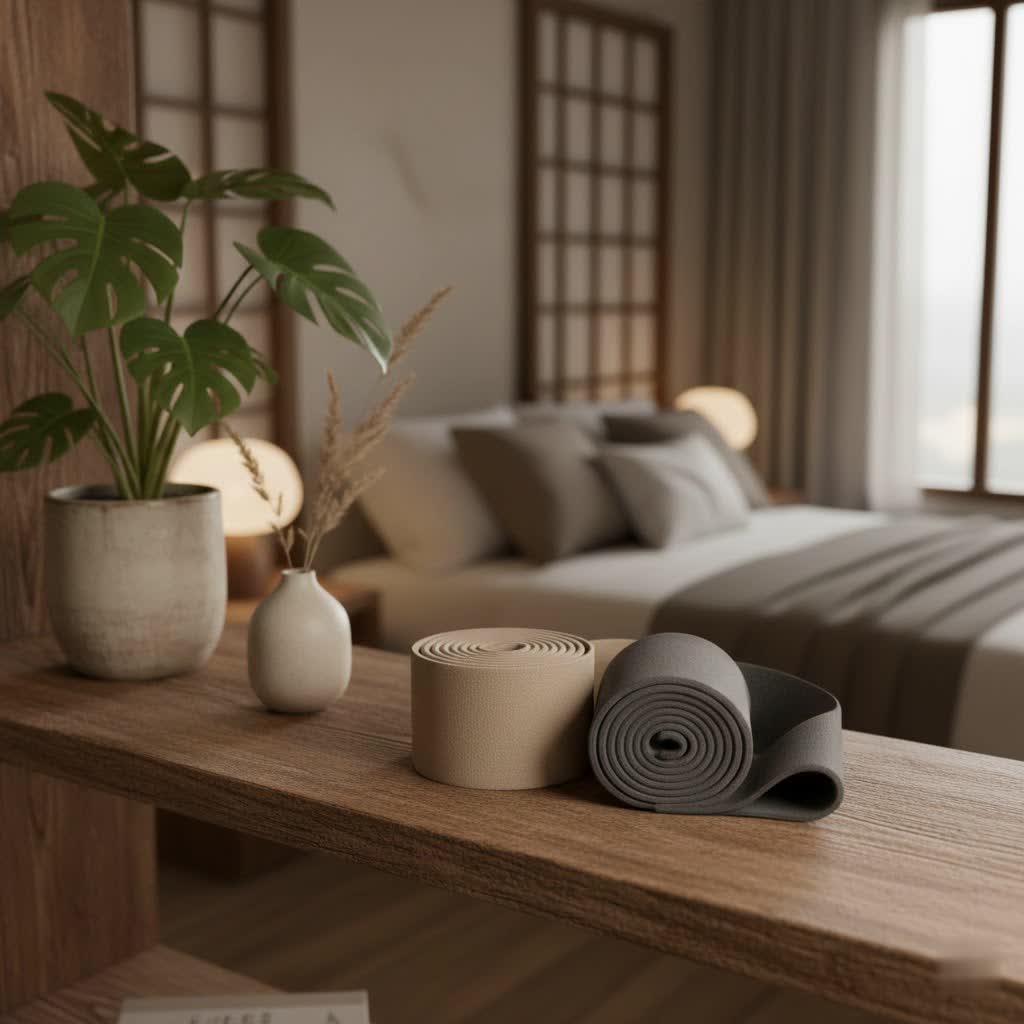
Fabric resistance bands are innovative exercise tools crafted from a blend of cotton and a small percentage of latex, designed to deliver consistent and robust resistance. Unlike their purely elastic counterparts, these bands feature a wider, flatter profile and a textured surface, which is key to their growing popularity. They are primarily used to add resistance to bodyweight exercises, enhancing muscle activation and growth.
The compelling reasons to integrate fabric resistance bands into your routine are numerous:
- Superior Durability: Fabric bands are significantly more robust than latex, resisting tearing, snapping, and stretching out over time. This makes them a long-term investment in your fitness.
- Unmatched Comfort: The soft, woven material feels gentle against the skin, eliminating the painful pinching, pulling, or rolling that often occurs with rubber bands. This comfort allows for longer, more focused workouts, especially on bare skin.
- Non-Slip Performance: Engineered with anti-slip features like silicone strips or textured patterns, fabric bands stay securely in place during dynamic movements, letting you concentrate on your form without constant adjustments.
- Effective Muscle Activation: Their consistent tension profile provides excellent resistance, particularly for lower-body exercises, leading to more profound muscle engagement and faster strength gains.
- Injury Prevention: By providing stable resistance and encouraging proper form, fabric bands can help improve muscle stability around joints, reducing the risk of injuries.
- Portability: Lightweight and compact, they are perfect for home workouts, gym sessions, or maintaining your fitness routine while traveling.
Common Types of Fabric Resistance Bands
While “fabric resistance band” often conjures images of thick, looped bands around the thighs, there are several variations, each with specific applications:
- Flat Loop Bands (Booty Bands/Hip Circles): These are the most common type, forming a continuous, wide loop. They are ideal for lower-body exercises like squats, glute bridges, hip thrusts, and lateral walks, effectively targeting glutes, hips, and thighs. Their design ensures they stay put without rolling up or down.
- Figure-Eight Bands: Shaped like an infinity symbol, these bands often connect two foot loops with a central bar or bridge. They are specifically designed for glute-focused lifts, such as hip thrusts, distributing force evenly across the pelvis and reducing pressure on the lower back.
- Hybrid Fabric Bands with Handles: Combining fabric straps with padded handles or carabiner attachments, these offer greater versatility. They can be anchored to a door or other sturdy object, allowing for a wider range of exercises mimicking cable machines, including rows, presses, and pulling motions for upper-body and core workouts.
- Adjustable Resistance Slings: While less common, these emerging bands feature mechanisms (like ratcheting or hook-and-loop fasteners) to customize tension manually. They are often used in rehabilitation or for precise progressive overload tracking.
Each type offers distinct benefits; understanding your primary workout goals will help you select the most suitable band for your needs.
Comparing Popular Fabric Resistance Band Brands
The market for fabric resistance bands has expanded rapidly, with many brands offering diverse options. When choosing, consider factors like material quality, durability, and resistance levels.
Detailed Comparison Table
|
Our Picks for the Best Resistance Bands in 2026
As an Amazon Associate I earn from qualifying purchases.
|
||
| Num | Product | Action |
|---|---|---|
| 1 | WHATAFIT Resistance Bands, Exercise Bands,Resistance Bands for Working Out, Work Out Bands with Handles for Men and Women Fitness, Strength Training Home Gym Equipment |

|
| 2 | Resistance Bands for Working Out with Workout Bands Guide. 4 Booty Bands for Women Men Fabric Elastic Bands for Exercise Bands Resistance Bands for Legs Bands for Working Out Hip Thigh Glute Bands Set |
|
| 3 | Pull Up Assistance Bands, 5-Level Resistance Bands for Working Out, Pull Up Bands for Men & Women, Exercise Bands for Full-Body Training, Fitness, Physical Therapy, Stretch Workout Bands at Home, Gym |
|
| 4 | Resistance Bands, Pull Up Assist Bands - Workout Bands, Eexercise Bands, Long Resistance Bands Set for Working Out, Fitness, Training, Physical Therapy for Men Women |
|
| 5 | 5 Pcs Professional Resistance Bands. Latex-Free, Elastic Band, Work Out Bands, Stretch Bands for Working Out Women or Men, Exercise Bands Set for Physical Therapy, Yoga, Pilates |
|
| 6 | Pull Up Bands, Resistance Bands, Pull Up Assistance Bands Set for Men & Women, Exercise Workout Bands for Working Out, Body Stretching, Physical Therapy, Muscle Training |
|
| 7 | 6PCS Silicone Ankle Strap for Swimming, Legs Resistance Exercise Swim Band, Aquatic Resistance Belt, General Swimming AIDS for Kids and Adults |
|
| 8 | VEICK Resistance Bands, Exercise Bands, Workout Bands, Resistance Bands for Working Out with Handles for Men and Women, Exercising Bands for Fitness Weights Work Out at Home |
|
| 9 | Upgraded Pedal Resistance Band with Handle, Soft Durable Fashion Puller Exercise with Thickened 6 Tension Ropes, Tube Pedal Resistance Device for Abdomen, Waist, Arm, Leg, Core/ABS |
|
| 10 | Resistance Bands for Working Out, 5-Pack Elastic Exercise Bands for Strength Training, Stretching, Workout; Home Gym Equipment for Women Men, Pilates Yoga Physical Therapy, Leg Glute Arm Exercise Kit |
|
| Brand/Feature | Material Blend | Durability | Resistance Levels | Price Range (per band/set) | Key Features/User Reviews |
|---|---|---|---|---|---|
| DMoose | Woven elastic fabric | Very High | Varied (often sets of Light, Medium, Heavy) | Mid-range ($20-$35) | Strong, non-slip, reinforced stitching. Praised for longevity and comfort. Excellent for glutes and legs. |
| BC Strength | High-quality knit fabric | Exceptional | Varied (often sets, sometimes higher resistance) | Premium ($35-$50+) | Known for superior durability and comfort. Editor’s choice for long-term use. Stays in place during intense workouts. |
| Victorem | Cotton and Latex | High | Often fixed resistance (e.g., ~32-33 lbs) | Budget-friendly ($15-$25) | Durable and well-made for the price. Effective for static lower-body exercises. Non-slip fabric. |
| Kensui Fitness | Fabric | High | 4 levels (15-90 lbs) | Mid-range ($25-$40) | Heavy-duty, comfortable, snap-proof. Versatile for pull-ups, squats, and various strength training. |
| RDX | Poly-cotton | High | 3 levels (Light, Medium, Heavy) | Budget-friendly ($15-$30) | Anti-slip, extra elasticity. Comes with carry bag and exercise guide. Skin-friendly surface. |
| Tribe Lifting | Fabric | High | Varied (often sets) | Mid-range ($25-$45) | Focus on comfort, performance, and longevity. Less likely to snap, stable grip, particularly for glutes. |
| All In Motion (Target) | Polyester Rubber | Moderate to High | Varied (Light, Medium, Heavy) | Budget-friendly ($10-$20) | Affordable, widely accessible. Good entry-level option for general fitness. |
| Blogilates | Elastic (often polyester rubber) | Moderate to High | Light & Medium (often 2-packs) | Budget-friendly ($15-$25) | Popular for “booty bands” for glute activation. Aesthetic designs. |
| La Pochette | Stretchy, breathable fabric | High | Light, Medium, Heavy | Mid-range ($20-$35) | Very comfortable, wide band with inner grip to prevent sliding. Durable and safe. Hand washable. |
This table provides a snapshot; always check the latest reviews and specifications from the manufacturer before purchasing.
How to Choose the Right Fabric Resistance Bands
Selecting the ideal fabric resistance band involves aligning the band’s features with your individual fitness goals, experience level, and preferences.
Define Your Training Goals
Before purchasing, consider what you primarily intend to use the bands for:
- Glute Activation & Lower-Body Strength: Fabric loop bands are exceptionally effective for targeting the glutes, hips, and thighs.
- Full-Body Workouts: While fabric loops are less versatile for upper body, hybrid fabric bands with handles or supplementing with traditional rubber bands can provide a comprehensive routine.
- Rehabilitation or Mobility: Lighter resistance fabric bands offer controlled, joint-friendly resistance, often favored by physical therapists.
Selecting the Appropriate Resistance Level
Fabric bands typically come in light, medium, and heavy resistance options. Some brands may offer extra-light or extra-heavy.
- Light Resistance (10-20 lbs): Ideal for beginners, warm-ups, activation exercises, and physical therapy.
- Medium Resistance (25-40 lbs): Suitable for intermediate users looking to challenge muscles further and for more demanding activation work.
- Heavy Resistance (45-50+ lbs): Designed for advanced athletes seeking significant muscle building and strength endurance.
It’s often beneficial to purchase a set of bands with varying resistance levels to allow for progressive overload as you get stronger, or to use different resistances for different exercises.
Material Quality and Durability
The quality of the material directly impacts the band’s lifespan and performance.
- Material Composition: Look for a high-density cotton-latex blend. A higher cotton content usually means more comfort and breathability.
- Stitching Quality: Inspect the seams. Double or triple-stitched seams, especially with zigzag patterns, indicate superior durability and resistance to bursting under load.
- Non-Slip Coating: Many high-quality fabric bands incorporate silicone strips or textured patterns on the inside to prevent slipping and rolling, ensuring the band stays firmly in place.
> “The hallmark of a quality fabric resistance band isn’t just the material, but the meticulous stitching and non-slip design that ensures it performs safely and consistently, workout after workout.” – Dr. Alex Thorne, Certified Strength & Conditioning Specialist
Brand Reputation and Price
While fabric bands are generally more expensive per unit than rubber bands, their longevity often justifies the higher initial cost.
- Trusted Brands: Opt for brands known for quality and positive user feedback (e.g., DMoose, BC Strength).
- Value vs. Cost: A single quality fabric band might cost as much as a full set of rubber bands. However, if a fabric band lasts 2+ years compared to rubber bands needing replacement every 6-12 months, the long-term value can be significant. Avoid overly cheap options, as they often compromise on material and stitching.
Effective Full-Body Exercises with Fabric Resistance Bands
Fabric resistance bands, especially looped ones, excel in lower-body exercises but can also be adapted for full-body workouts.
Lower Body & Glutes:
- Glute Bridges: Lie on your back, knees bent, feet flat, band above knees. Lift hips until body forms a straight line from shoulders to knees, squeezing glutes.
- Squats: Place band above knees. Stand feet shoulder-width apart, squat down, pushing knees outwards against the band.
- Lateral Band Walks: Place band around ankles or above knees. Slightly bend knees, step side-to-side, maintaining tension.
- Clamshells: Lie on your side, knees bent, band above knees. Keeping feet together, lift top knee open like a clamshell.
- Hip Thrusts: Sit with upper back against a bench, band above knees. Drive hips up towards the ceiling, squeezing glutes.
Upper Body & Core (Often requires hybrid bands or creative anchoring):
- Bicep Curls: Stand on the band with feet hip-width apart, hold ends with palms up. Curl hands towards shoulders, keeping elbows tucked.
- Overhead Press: Step on the band, hold ends at shoulder height, palms forward. Press bands upwards until arms are extended.
- Tricep Extensions: Anchor a hybrid band high (e.g., on a door anchor). Face away, hold handles behind head, extend arms upwards.
- Seated Lat Pulldowns: Anchor a hybrid band low. Sit facing anchor, knees bent. Pull handles down towards chest, squeezing shoulder blades.
- Plank with Banded Hand Taps: Loop a light band around forearms. Hold plank, tap one hand forward, side, then back, alternating. This challenges core stability.
Important Notes:
- Form Over Resistance: Always prioritize correct form to prevent injury and maximize muscle engagement.
- Slow and Controlled: Perform movements slowly and with control, focusing on the eccentric (lowering) phase.
- Progressive Overload: As you get stronger, increase resistance (move to a heavier band, stack bands, or increase reps/sets).
Where to Buy Reliable Fabric Resistance Bands
Finding trustworthy sources for your fabric resistance bands is crucial for ensuring quality and durability.
- Online Retailers: Platforms like Amazon, Target, and specialized fitness equipment websites (e.g., Rogue Fitness, DMoose Fitness, BC Strength) offer a wide selection and often include customer reviews.
- Direct from Brands: Purchasing directly from a brand’s official website can sometimes offer better deals or exclusive products.
- Sporting Goods Stores: Larger retail chains specializing in sports and fitness equipment may carry fabric bands, allowing you to physically inspect them.
Tips for Online Shopping:
- Read Reviews: Pay close attention to verified customer reviews, looking for comments on durability, comfort, and how well the bands stay in place.
- Check Return Policy: Since comfort and feel can be subjective, ensure the retailer offers a clear return or exchange policy.
- Verify Specifications: Double-check the material composition, resistance levels, and care instructions provided by the manufacturer.
Proper Care and Maintenance for Fabric Resistance Bands
To maximize the lifespan and maintain the elasticity of your fabric resistance bands, proper care is essential.
- Cleaning: Most fabric bands are machine washable. Use cold water on a gentle cycle. For best results, or if machine washing isn’t specified, hand wash with mild detergent (like a gentle laundry soap or dish soap) and lukewarm water. Avoid harsh chemicals, bleach, or fabric softeners, as these can degrade the fibers and elasticity.
- Drying: Always air-dry your fabric bands. Lay them flat or hang them in a well-ventilated area away from direct sunlight or heat sources, which can damage the latex component. Never put them in a dryer.
- Storage: Store bands in a cool, dry place. Avoid folding them tightly; instead, roll them loosely to prevent stress on the material. Keep them away from sharp objects, excessive heat, and humidity.
- Regular Inspection: Before each workout, quickly inspect your bands for any signs of fraying, loose stitching, or weakened areas. While fabric bands are highly durable, any structural compromise should prompt replacement to ensure safety.
Common Mistakes to Avoid When Using Fabric Resistance Bands
While fabric resistance bands are user-friendly, certain mistakes can diminish their effectiveness or lead to premature wear.
- Choosing the Wrong Resistance Level: Starting with a band that’s too heavy can lead to poor form and potential injury, while a band that’s too light won’t provide adequate challenge for muscle growth. Start lighter and progress gradually.
- Neglecting Proper Form: Even with bands, maintaining correct posture and movement patterns is critical. Focus on the muscle you’re trying to work rather than just moving through the motion.
- Ignoring Care Instructions: Skipping cleaning or improper storage can shorten the band’s life. Sweat and dirt can accumulate, and prolonged exposure to sunlight or heat can degrade the material.
- Stretching Beyond Limits: Although more durable than rubber, fabric bands still have a stretch limit. Avoid pulling them excessively far beyond their intended range of motion to prevent damage.
- Using Them for Inappropriate Exercises: While versatile, very long fabric bands might not offer the same stretch as rubber for certain upper-body exercises, making them less ideal for those specific movements. Understand their strengths.
- Buying Cheap, Low-Quality Bands: Inexpensive bands often compromise on material quality and stitching, leading to faster wear and tear, and a less consistent resistance profile. Invest in quality for longevity and performance.
Buying Guide: Your Detailed Purchase Roadmap
Making an informed decision about fabric resistance bands ensures you get the most out of your investment.
Budget Considerations
Fabric resistance bands typically range from $15 for budget options to $50+ for premium professional-grade models. While a single fabric band might have a higher upfront cost than a set of rubber bands, consider the long-term value. A durable fabric band can last two years or more, potentially making it more cost-effective over time by reducing replacement frequency. Assess what you’re willing to spend and prioritize quality that aligns with your intended use.
Online vs. In-Store Purchase
- Online: Offers a wider selection, competitive pricing, and convenience. You can easily compare brands and read extensive user reviews. However, you can’t physically inspect the band or test its feel.
- In-Store: Allows you to touch the fabric, assess stitching quality, and test the initial tension. However, the selection might be limited, and prices could be higher.
For most, online shopping with a focus on reputable brands and clear return policies offers the best balance.
Reading User Reviews
User reviews are an invaluable resource. Look for consistent feedback on:
- “Stays in place” vs. “rolls up”: This is a key differentiator for fabric bands.
- Comfort on skin: Especially important for sensitive skin types.
- Durability and longevity: Mentions of how long the band has lasted under regular use.
- Cleaning experiences: How well the band holds up after washing.
- Resistance consistency: Does it provide a stable challenge?
Be wary of overly generic or excessively negative reviews without specific details. Focus on detailed feedback that highlights functional aspects.
Conclusion
Fabric resistance bands represent a significant leap forward in fitness equipment, offering a comfortable, durable, and highly effective tool for sculpting your body and boosting strength. Their anti-roll design and skin-friendly material make them a preferred choice, especially for lower-body workouts, setting them apart from traditional latex alternatives. By understanding the different types, carefully selecting the right resistance, prioritizing material quality, and committing to proper care, you can unlock a new level of efficiency and comfort in your training. Whether you’re aiming to build muscle, enhance mobility, or simply make your home workouts more engaging, fabric resistance bands are a smart investment. Are you ready to experience the difference a high-quality fabric resistance band can make in your fitness journey?
Frequently Asked Questions
Are fabric resistance bands better than rubber?
Fabric bands offer superior durability, comfort, and a non-slip experience, especially for lower-body exercises. Rubber bands provide greater stretch and are often more versatile for a wider range of upper-body movements and are generally more affordable upfront. The “better” choice depends on your specific workout goals and personal preferences.
Can I wash fabric resistance bands?
Yes, most fabric resistance bands can be washed. Hand washing with mild soap and air-drying away from direct sunlight is typically recommended to preserve their elasticity and integrity. Some manufacturers may permit machine washing on a cold, gentle cycle, but always check the specific care instructions for your band.
Do fabric bands work for upper-body exercises?
While fabric loop bands are primarily designed for lower-body movements, hybrid fabric bands with handles or creative anchoring methods can be effective for upper-body exercises like rows, tricep extensions, and bicep curls. However, their limited stretch compared to latex bands might make them less ideal for some isolation movements.
Why are fabric resistance bands more expensive?
The higher cost of fabric resistance bands is due to their blended material composition (cotton-latex), reinforced stitching, and often more robust manufacturing processes. These elements contribute to their enhanced durability, comfort, and non-slip performance, justifying the investment with a longer lifespan and better user experience.
How long do fabric resistance bands last?
With proper care and maintenance, high-quality fabric resistance bands can last two years or more. This is significantly longer than typical rubber or latex bands, which may show signs of wear and tear and require replacement within 6 to 12 months with regular use.
