Are you yearning for a dynamic, full-body workout that challenges your muscles, enhances flexibility, and improves posture, all without the need for bulky equipment or a trip to the studio? Pilates resistance bands offer a revolutionary solution, transforming your fitness routine with their versatility and effectiveness. These unassuming tools can redefine your strength, stability, and control, allowing you to achieve a comprehensive Pilates workout anytime, anywhere.
What Are Pilates Resistance Bands and Why Use Them?
Pilates resistance bands, often referred to simply as resistance bands, stretch bands, or exercise bands, are elastic training tools designed to add a controlled challenge to your movements. Unlike traditional weights that provide constant gravitational resistance, these bands offer variable tension, engaging your muscles throughout the entire range of motion. They are a cornerstone for enhancing the Pilates experience, whether you’re a beginner or an experienced practitioner.
The benefits of incorporating Pilates resistance bands into your regimen are extensive:
- Mimic Reformer-Like Resistance: These bands ingeniously replicate the spring-and-pulley tension found in large Pilates reformer machines, providing controlled resistance that works your muscles deeply without the need for expensive, space-consuming apparatus.
- Full-Body Engagement: From your core and glutes to your arms and legs, resistance bands facilitate exercises that target every major muscle group, leading to balanced strength and improved body symmetry.
- Low-Impact, High-Reward: Gentle on your joints, Pilates resistance bands are excellent for injury prevention, rehabilitation, and individuals seeking effective, joint-friendly workouts. They allow for smooth, controlled movements that minimize strain.
- Enhanced Stability and Core Engagement: The dynamic tension of the bands challenges your stability, forcing your deep core muscles to activate and stabilize your body. This promotes better proprioception (awareness of your body in space) and overall balance.
- Unmatched Portability and Versatility: Lightweight and compact, resistance bands can be easily stored or packed, making them your ideal travel companion for maintaining your fitness routine on the go.
- Customizable Resistance: Available in a spectrum of resistance levels—from extra light to extra heavy—bands allow you to progressively increase intensity as your strength grows. You can also adjust resistance by changing your grip or doubling the band.
- Improved Posture and Spinal Alignment: Exercises with resistance bands encourage a lifted and elongated spine, reinforcing proper posture and alignment cues crucial to Pilates principles.
Common Types of Pilates Resistance Bands
The world of Pilates resistance bands offers several designs, each suited for different exercises and preferences. Understanding the common types and materials is key to making the best choice for your fitness journey.
The primary types you’ll encounter are:
- Loop Bands (Mini-Loops or Hip Bands): These are continuous loops, typically shorter in circumference. They are exceptionally popular for lower-body workouts, often placed around the thighs, knees, or ankles to add resistance to exercises like glute bridges, squats, and side leg lifts, effectively targeting glutes and outer thighs.
- Flat Strips (Open-Ended Bands): These are long, flat pieces of elastic material without handles. Their open-ended design makes them incredibly versatile. You can tie them into loops of varying sizes, wrap them around your hands or feet, or use them to assist with stretches, making them suitable for a wide array of full-body movements.
When it comes to materials, the choice often boils down to fabric versus latex or natural rubber:
- Fabric Bands: Many users and experts favor fabric resistance bands for their comfort and stability. They are generally softer on the skin, less prone to rolling down or pinching during intense workouts, and offer a better grip, especially when you sweat. Fabric bands are also known for their durability.
- Latex/Natural Rubber Bands: These are the traditional choice, offering excellent elasticity and a wide range of resistance levels. While highly effective, some individuals find them more likely to roll or pinch the skin, particularly on bare legs. For those with latex allergies, hypoallergenic TPE (Thermoplastic Elastomer) bands offer a safe and effective alternative.
Choosing the Right Pilates Resistance Band for You
Selecting the perfect Pilates resistance band can significantly impact your workout experience. Consider these factors to ensure your choice aligns with your fitness level and goals.
Assess Your Fitness Goals and Level
|
Our Picks for the Best Resistance Bands in 2026
As an Amazon Associate I earn from qualifying purchases.
|
||
| Num | Product | Action |
|---|---|---|
| 1 | Pull Up Assistance Bands, 5-Level Resistance Bands for Working Out, Pull Up Bands for Men & Women, Exercise Bands for Full-Body Training, Fitness, Physical Therapy, Stretch Workout Bands at Home, Gym |

|
| 2 | WHATAFIT Resistance Bands, Exercise Bands,Resistance Bands for Working Out, Work Out Bands with Handles for Men and Women Fitness, Strength Training Home Gym Equipment |
|
| 3 | 5 Pcs Professional Resistance Bands. Latex-Free, Elastic Band, Work Out Bands, Stretch Bands for Working Out Women or Men, Exercise Bands Set for Physical Therapy, Yoga, Pilates |
|
| 4 | VEICK Resistance Bands, Exercise Bands, Workout Bands, Resistance Bands for Working Out with Handles for Men and Women, Exercising Bands for Fitness Weights Work Out at Home |
|
| 5 | Resistance Bands for Working Out, 5-Pack Elastic Exercise Bands for Strength Training, Stretching, Workout; Home Gym Equipment for Women Men, Pilates Yoga Physical Therapy, Leg Glute Arm Exercise Kit |
|
| 6 | Resistance Bands, Pull Up Assist Bands - Workout Bands, Eexercise Bands, Long Resistance Bands Set for Working Out, Fitness, Training, Physical Therapy for Men Women |
|
| 7 | 6PCS Silicone Ankle Strap for Swimming, Legs Resistance Exercise Swim Band, Aquatic Resistance Belt, General Swimming AIDS for Kids and Adults |
|
| 8 | Pull Up Bands, Resistance Bands, Pull Up Assistance Bands Set for Men & Women, Exercise Workout Bands for Working Out, Body Stretching, Physical Therapy, Muscle Training |
|
| 9 | Upgraded Pedal Resistance Band with Handle, Soft Durable Fashion Puller Exercise with Thickened 6 Tension Ropes, Tube Pedal Resistance Device for Abdomen, Waist, Arm, Leg, Core/ABS |
|
| 10 | Resistance Bands for Working Out with Workout Bands Guide. 4 Booty Bands for Women Men Fabric Elastic Bands for Exercise Bands Resistance Bands for Legs Bands for Working Out Hip Thigh Glute Bands Set |
|
Before diving into options, clarify what you aim to achieve. Are you a beginner focusing on foundational movements and rehabilitation, or are you an experienced practitioner seeking to intensify your routine and build greater strength? Beginners often benefit from lighter resistance bands, which allow for mastery of form and gradual muscle engagement. As your strength and control improve, you can smoothly transition to medium or heavy resistance bands. If your goal is rehabilitation or gentle stretching, lighter bands will be most appropriate, while strength building will require increasing resistance.
Understand Resistance Levels
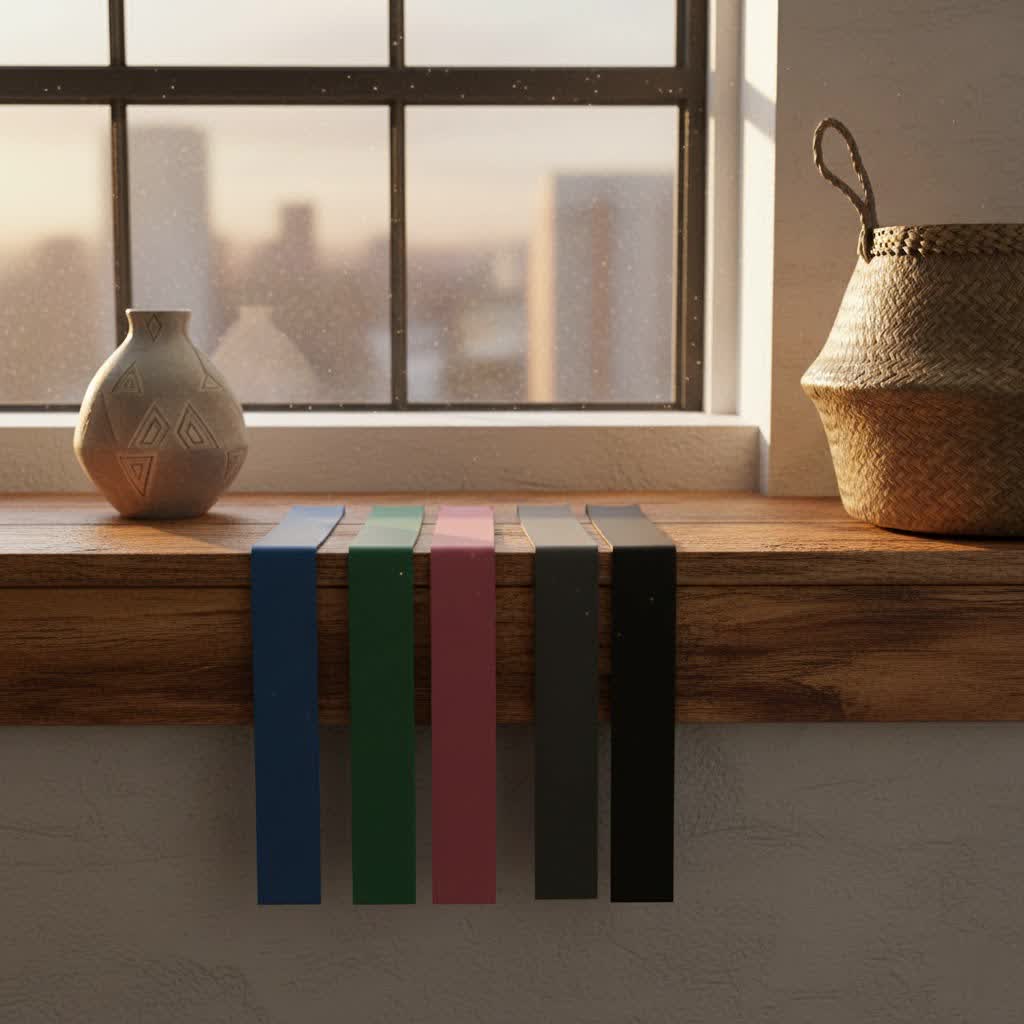
Pilates resistance bands come in various resistance levels, typically color-coded for easy identification (e.g., yellow for extra light, green for light, red for medium, blue for heavy, black for extra heavy). It’s advisable to start with a lighter band to perfect your form and then gradually move to higher resistance as your muscles adapt. Remember, you can also increase the challenge by adjusting your grip, wrapping the band around your body multiple times, or combining bands for compounded resistance.
Consider Material and Design
Your comfort and the type of exercises you plan to perform should guide your material and design choice. If you prioritize comfort, a non-slip experience, and durability, fabric loop bands are often an excellent choice, particularly for lower-body work, as they tend to stay in place better and feel softer against the skin. For maximum versatility across a range of upper and lower body exercises, flat, open-ended latex or TPE bands are highly effective, as they can be easily manipulated into different configurations. If you have latex sensitivities, TPE is the hypoallergenic solution.
Brand Reputation and Reviews
While a direct comparison table is beyond the scope here, reputable brands consistently receive positive feedback for durability, consistent resistance, and quality materials. Look for brands known for their commitment to fitness and Pilates-specific equipment. Always take the time to read user reviews. Real-world feedback can offer invaluable insights into how bands perform over time, their comfort level, and whether they genuinely meet users’ expectations for specific workouts.
Budget Considerations
Pilates resistance bands are generally an affordable fitness tool, but prices can vary based on brand, material, and whether you purchase individual bands or a set. Determine a budget that works for you, keeping in mind that investing in a slightly higher-quality band can often mean better durability and a more consistent, satisfying workout experience in the long run.
Effective Pilates Resistance Band Exercises for a Full-Body Workout
Integrating resistance bands into your Pilates routine can activate muscles you never knew you had. Here are some effective exercises to target your entire body, along with crucial tips for proper form and safety.
Exercises for Core Strength
A strong core is the foundation of Pilates. Resistance bands intensify classic core movements, challenging your stability and deep abdominal muscles.
- Resistance Band Crunches: Lie on your back, loop the band around your feet, and lift your legs to a 90-degree angle. Hold the ends of the band with your hands, supporting your head. As you crunch up, maintaining tension in the band, focus on lifting your upper back off the mat.
- Seated Lawn Mower Rotation: Sit with feet flat, loop one end of the band around your right foot, and hold the other end with your right hand. Lift your right leg slightly, and as you pull the band towards your hip, rotate your torso to the right, engaging your obliques. Repeat on the other side.
- Balance Boat with Arm Pulls: Sit in a boat pose, knees bent, feet off the floor, spine long. Loop a band around your feet and hold the ends. As you maintain your balance, perform small rowing motions with your arms, pulling the band towards your chest to engage both core and upper back.
Exercises for Arms & Upper Body
Resistance bands are excellent for toning and strengthening your arms, shoulders, and upper back without putting undue stress on your joints.
- Seated Rows: Sit on the floor with legs extended, band wrapped around your feet, holding both ends. Pull the band towards your waist, squeezing your shoulder blades together. Slowly release, maintaining control.
- Bicep Pulses: Stand or kneel, stepping on the middle of a flat band with one foot (or both for more resistance). Hold the ends of the band with palms facing up, elbows tucked. Perform small, controlled pulses, contracting your biceps.
- Arm Circles: Kneel or stand, holding a flat band with arms extended to the sides, maintaining tension. Perform small, controlled circular motions with your arms, engaging your shoulders and upper back. Reverse the direction.
Exercises for Legs & Glutes
Targeting your lower body with resistance bands can lead to powerful glutes, strong thighs, and improved hip stability.
- Standing Leg Lifts: Loop a band around both ankles. Stand tall with your core engaged. Slowly lift one leg out to the side, maintaining tension in the band and keeping your pelvis stable. Lower with control and repeat.
- Crab Walks: Place a loop band just above your knees or around your ankles for more intensity. With a slight bend in your knees, step sideways, maintaining constant tension in the band. Keep your hips stable and avoid rocking.
- Front Squats: Stand on the middle of a flat band with feet shoulder-width apart, holding the ends near your chest. Lower into a squat, keeping your chest high and core firm, then press back up through your heels against the band’s resistance.
- Side-Lying Hip Raises/Leg Lifts: Lie on your side with a loop band around your ankles or thighs. With the bottom leg bent for stability, lift your top leg straight up against the band’s resistance, focusing on glute and outer thigh activation.
Important Safety and Form Tips
- Engage Your Core: Always draw your navel to your spine and engage your pelvic floor before starting any exercise to protect your back and maximize core activation.
- Slow and Controlled Movements: Prioritize quality over quantity. Perform each movement slowly and with complete control, both on the concentric and eccentric phases.
- Mindful Breathing: Inhale during the less strenuous part of the movement (expansion) and exhale during the exertion (contraction of the muscle).
- Maintain Posture: Keep your shoulders down and back, and your wrists straight, to prevent unnecessary strain and ensure proper muscle engagement.
- Listen to Your Body: If you feel any sharp pain, stop immediately. Adjust the resistance or modify the exercise as needed. Rest days are crucial for muscle recovery.
Where to Buy Quality Pilates Resistance Bands
Finding reliable Pilates resistance bands is essential for a safe and effective workout. You have several options, ranging from local sports stores to vast online marketplaces.
Online Retailers: Websites like Amazon, specialist fitness equipment stores, and direct-to-consumer brand sites offer the widest selection of Pilates resistance bands. This allows for easy comparison of different types, resistance levels, and brands. However, it’s crucial to read product descriptions carefully and pay close attention to customer reviews for insights into quality and durability.
Physical Sports Stores: Visiting a brick-and-mortar store gives you the advantage of physically inspecting the bands, feeling their material, and assessing their quality firsthand. Store assistants can also provide advice on suitable options for your needs.
When purchasing, especially online, prioritize vendors with clear return policies. Always choose brands with good reviews that vouch for the bands’ durability and consistent resistance.
Maximizing Your Pilates Resistance Band Experience: Tips and Common Mistakes
To get the most out of your Pilates resistance bands and ensure longevity, consider these tips and avoid common pitfalls.
Care and Maintenance:
- Clean Regularly: After sweaty workouts, gently wipe down latex or TPE bands with a damp cloth and mild soap. Fabric bands can often be hand-washed.
- Store Properly: Keep bands away from direct sunlight, extreme temperatures, and sharp objects. Roll them up neatly or hang them to prevent kinks and damage.
- Inspect for Wear: Regularly check your bands for any tears, nicks, or signs of stretching and fraying. Discard any damaged bands to prevent snapping during use.
Avoiding Common Mistakes:
- Using the Wrong Resistance: A band that’s too heavy can compromise your form and lead to injury, while one that’s too light won’t provide sufficient challenge. Start lighter and progress gradually.
- Snapping the Band: Rapid, uncontrolled movements can cause bands to snap, posing a safety risk. Always move slowly and with control, allowing the band to guide your resistance.
- Allowing the Band to Roll or Bunch: This is common with some latex bands. Opting for wider bands or fabric bands can help. Adjust the band’s position to keep it flat during exercises.
- Neglecting Proper Form: Don’t let the band dictate your movement. Maintain core engagement, neutral spine, and controlled breathing. If form breaks down, reduce the resistance or reps.
- Ignoring Warm-up and Cool-down: Always prepare your body with a light warm-up and finish with a cool-down stretch, even with band workouts, to prevent injury and aid recovery.
Buying Guide
Investing in Pilates resistance bands is an excellent step towards a more flexible, strong, and balanced body. Here’s a concise guide to help you make an informed purchase.
Setting Your Budget
Pilates resistance bands are a cost-effective fitness solution, typically ranging from a few dollars for individual bands to moderate prices for comprehensive sets. Decide on a budget that aligns with your financial comfort, but remember that a slightly higher investment often translates into superior material quality, enhanced durability, and a more consistent resistance profile over time. Avoid overly cheap options that might snap or lose elasticity quickly.
Online vs. In-Store Purchase
Both online and brick-and-mortar stores offer unique advantages. Online shopping provides an extensive selection, allowing you to compare countless brands, materials, and price points from the comfort of your home. It’s excellent for discovering niche products and often comes with competitive pricing. However, you cannot physically examine the product. In-store purchases offer the benefit of touching and feeling the bands, assessing their quality, and getting immediate advice from sales associates. This hands-on approach can be invaluable, especially for first-time buyers.
The Power of User Reviews
Before finalizing any purchase, immerse yourself in user reviews. These candid insights from other customers provide real-world feedback on the band’s performance, durability, comfort (especially concerning rolling or pinching), and overall satisfaction. Look for consistent themes in reviews, both positive and negative, to form a comprehensive understanding of the product. Reviews can highlight common issues or unexpected benefits that product descriptions might not cover.
Conclusion
Pilates resistance bands are a powerful yet accessible tool for enhancing your fitness journey, offering a myriad of benefits from core strengthening to full-body toning, all within a low-impact framework. Their ability to mimic the renowned Pilates reformer, coupled with their incredible portability and customizable resistance, makes them an indispensable addition to any workout routine. By understanding the different types, choosing wisely, and practicing with correct form, you can unlock a new level of strength and flexibility, transforming your body and overall well-being. Are you ready to embrace the dynamic challenge and versatile benefits that Pilates resistance bands bring to your daily movement?
Frequently Asked Questions
What is the ideal resistance level for beginners in Pilates?
For beginners, it’s generally recommended to start with a light or medium resistance band. This allows you to focus on mastering proper form and technique without excessive strain, reducing the risk of injury and building foundational strength effectively. As your strength and control improve, you can gradually increase the resistance.
Can Pilates resistance bands help with injury rehabilitation?
Yes, Pilates resistance bands are excellent tools for injury rehabilitation. Their low-impact nature and customizable resistance allow for gentle yet effective strengthening of muscles around injured areas, improving mobility and stability without putting undue stress on joints. Always consult with a physical therapist or healthcare professional for guidance on specific rehabilitation exercises.
