Are you looking for a versatile, effective, and portable tool to transform your workouts? Long resistance bands might be the game-changer you need. Often seen in professional gyms and home workout spaces alike, these simple yet powerful elastic loops offer a comprehensive solution for building strength, improving flexibility, and boosting overall fitness. Whether you’re a seasoned athlete or just beginning your fitness journey, understanding the nuances of long resistance bands can unlock a new level of training efficiency and results. This guide will delve into everything from their fundamental benefits and diverse types to selecting the perfect band for your needs and mastering effective full-body exercises.
What Are Long Resistance Bands and Why Use Them?
Long resistance bands, often referred to as “power bands” or “looped resistance bands,” are continuous loops of elastic material, significantly longer than mini-bands, making them exceptionally versatile for a wide range of exercises. Unlike traditional free weights that rely solely on gravity, these bands provide constant elastic tension throughout the entire range of motion, progressively increasing resistance as they stretch. This unique characteristic makes them effective for muscle engagement and development.
Their popularity stems from a multitude of benefits: they are highly versatile, enabling full-body workouts; inexpensive compared to bulky gym equipment; and incredibly portable, perfect for home use or travel. Long resistance bands are also gentle on joints, making them an excellent choice for injury rehabilitation and low-impact training. They facilitate strength building, muscle hypertrophy, and improved flexibility and mobility, crucial for daily function and athletic performance. Furthermore, they can aid in fat loss by creating calorie-burning workouts and enhance balance and coordination by engaging stabilizing muscles.
Popular Types of Long Resistance Bands on the Market
While “long resistance bands” generally refer to the large looped variety, their characteristics can differ primarily by material and resistance level.
The most common long resistance bands are made from latex or TPE (Thermoplastic Elastomer). These offer superior stretch and elasticity, providing linear resistance that increases as the band is elongated. They are color-coded to indicate varying resistance levels, from very light assistance (often used for stretching or lighter muscle activation) to extremely heavy (favored for powerlifting and assisted pull-ups).
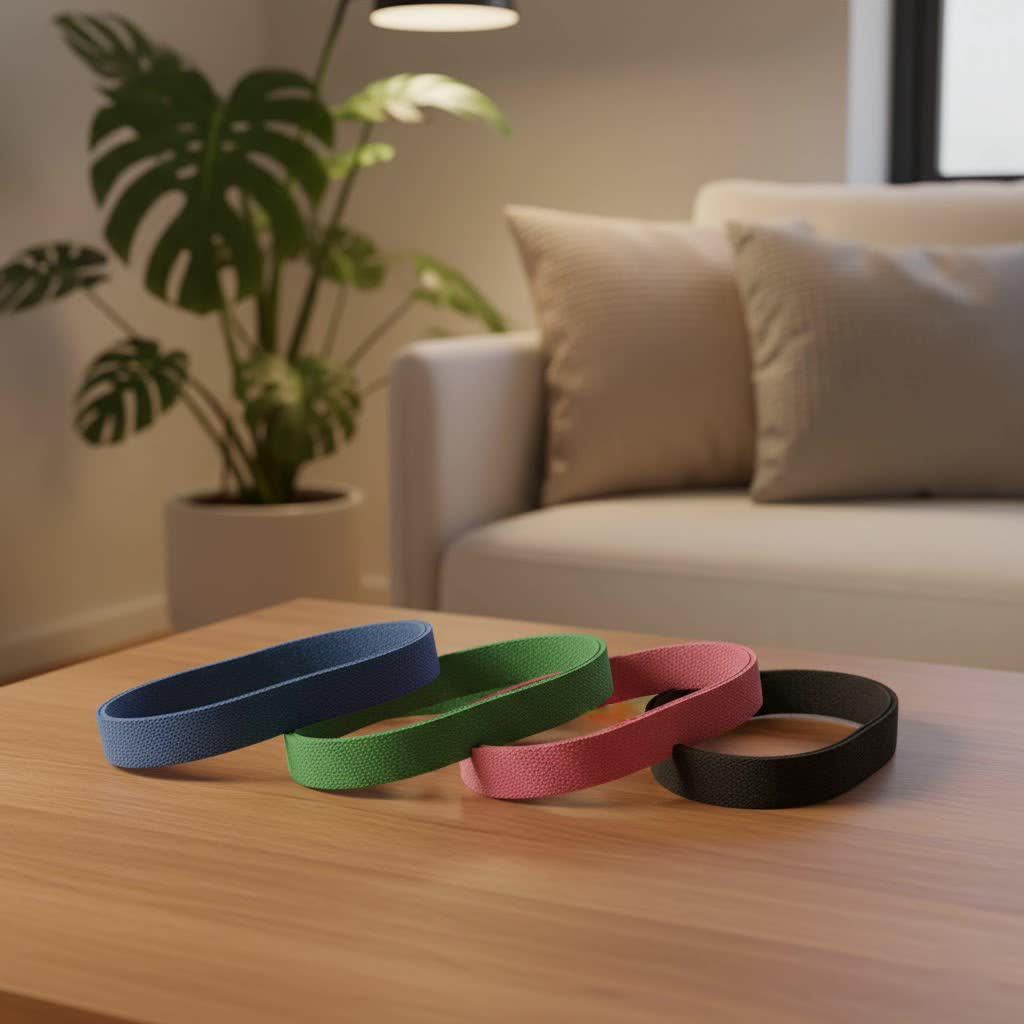
While less common for truly “long” bands, some variations may feature a fabric cover over the latex. Fabric bands are more typically associated with mini-loops, known for their comfort and non-rolling properties, making them ideal for lower-body exercises where bands are placed around the thighs. However, for longer bands, the stretch and progressive resistance of exposed latex/TPE is usually preferred for exercises involving larger movements. The choice often comes down to personal preference for feel and specific exercise application.
Comparing Popular Long Resistance Band Brands
Choosing a reputable brand for long resistance bands is essential for ensuring durability, consistent resistance, and safety. While specific comparison data across all brands can vary, here are the key factors to consider and general insights into well-known names:
Detailed Comparison Considerations
|
Our Picks for the Best Resistance Bands in 2026
As an Amazon Associate I earn from qualifying purchases.
|
||
| Num | Product | Action |
|---|---|---|
| 1 | Pull Up Assistance Bands, 5-Level Resistance Bands for Working Out, Pull Up Bands for Men & Women, Exercise Bands for Full-Body Training, Fitness, Physical Therapy, Stretch Workout Bands at Home, Gym |

|
| 2 | WHATAFIT Resistance Bands, Exercise Bands,Resistance Bands for Working Out, Work Out Bands with Handles for Men and Women Fitness, Strength Training Home Gym Equipment |
|
| 3 | Pull Up Bands, Resistance Bands, Pull Up Assistance Bands Set for Men & Women, Exercise Workout Bands for Working Out, Body Stretching, Physical Therapy, Muscle Training |
|
| 4 | VEICK Resistance Bands, Exercise Bands, Workout Bands, Resistance Bands for Working Out with Handles for Men and Women, Exercising Bands for Fitness Weights Work Out at Home |
|
| 5 | Resistance Bands, Pull Up Assist Bands - Workout Bands, Eexercise Bands, Long Resistance Bands Set for Working Out, Fitness, Training, Physical Therapy for Men Women |
|
| 6 | 5 Pcs Professional Resistance Bands. Latex-Free, Elastic Band, Work Out Bands, Stretch Bands for Working Out Women or Men, Exercise Bands Set for Physical Therapy, Yoga, Pilates |
|
| 7 | Resistance Bands for Working Out with Workout Bands Guide. 4 Booty Bands for Women Men Fabric Elastic Bands for Exercise Bands Resistance Bands for Legs Bands for Working Out Hip Thigh Glute Bands Set |
|
| 8 | 6PCS Silicone Ankle Strap for Swimming, Legs Resistance Exercise Swim Band, Aquatic Resistance Belt, General Swimming AIDS for Kids and Adults |
|
| 9 | Upgraded Pedal Resistance Band with Handle, Soft Durable Fashion Puller Exercise with Thickened 6 Tension Ropes, Tube Pedal Resistance Device for Abdomen, Waist, Arm, Leg, Core/ABS |
|
| 10 | Resistance Bands for Working Out, 5-Pack Elastic Exercise Bands for Strength Training, Stretching, Workout; Home Gym Equipment for Women Men, Pilates Yoga Physical Therapy, Leg Glute Arm Exercise Kit |
|
| Feature | Description |
|---|---|
| Material | Natural Latex Rubber: Offers excellent elasticity, durability, and a smooth stretch. The most common and often preferred material for long power bands. |
| TPE (Thermoplastic Elastomer): A synthetic alternative to latex, often used by those with latex allergies. Can offer good elasticity but may have a slightly different feel or longevity depending on quality. | |
| Durability | High-quality bands should withstand extensive stretching without snapping or losing elasticity quickly. Look for seamless construction and reputable manufacturing processes. |
| Resistance Range | Brands typically offer sets or individual bands with distinct color-coded resistance levels (e.g., yellow for light, red for medium, black for heavy, purple for super heavy). A good range allows for progressive overload and caters to various exercises and fitness levels. |
| Price | Prices vary based on material quality, brand reputation, and whether you purchase individual bands or a set. Investing in slightly more expensive, high-quality bands often proves more cost-effective in the long run due to greater durability. |
| User Reviews | Customer feedback provides valuable insights into real-world performance, comfort, durability, and customer service. Always check reviews before purchasing. |
While many brands exist, some, like METIS and FORZA, are recognized for offering quality looped power bands in various resistance levels. The pioneering gym WestSide-Barbell famously popularized the integration of resistance bands with free weights, influencing many manufacturers to produce robust bands suitable for serious strength training. Focus on brands that explicitly state their material composition and offer a clear resistance chart.
How to Choose the Right Long Resistance Bands
Selecting the ideal long resistance band requires a thoughtful approach, aligning your purchase with your individual fitness goals, current strength level, and intended use.
Determine Your Training Goals
Before diving into options, clarify what you want to achieve with long resistance bands. Are you aiming to build muscle and increase strength, improve flexibility and mobility, or perhaps use them for assistance in exercises like pull-ups? Different goals may necessitate different resistance levels or even types of bands. For muscle building, you’ll need bands that provide sufficient challenge. For rehabilitation or stretching, lighter resistance is often more appropriate.
Select the Appropriate Resistance Level
Resistance bands come in a spectrum of resistance levels, typically indicated by colors. It’s crucial to choose bands that match your current strength and the specific exercise. Starting with a band that offers too much resistance can compromise form and increase injury risk, while a band that’s too light won’t provide adequate challenge for muscle growth.
> “Always begin with a lighter resistance band to master the movement pattern and ensure proper form. As your strength progresses, you can gradually move to thicker, heavier bands to continue challenging your muscles.” – Dr. Emily Skye, Certified Fitness Trainer
Many experienced users opt for a set of bands with varying resistance levels, allowing them to adapt to different exercises and to implement progressive overload effectively.
Consider Material and Durability
The material directly impacts the band’s performance and lifespan. Most long resistance bands are made from latex rubber, which offers excellent elasticity and durability. When selecting, inspect the band for any visible imperfections or seams that could indicate a weak point. High-quality latex bands are typically seamless and feel robust. While fabric-covered options are available, ensure the inner elastic is still high-grade latex for optimal stretch and consistent resistance. Durability is paramount to prevent snapping during intense workouts.
Brand and Price
Investing in a reputable brand often translates to better quality and longevity. While it might be tempting to opt for the cheapest option, low-quality bands are more prone to snapping and inconsistent resistance. Look for brands with positive customer reviews and clear product specifications. Price will vary, but consider it an investment in your fitness journey. A good quality set can last for years, providing excellent value.
Effective Full-Body Exercises with Long Resistance Bands
Long resistance bands are incredibly versatile, capable of targeting every major muscle group for a comprehensive full-body workout. Here are some effective exercises:
- Assisted Pull-ups: Loop a long resistance band around a pull-up bar and place your knee or foot into the loop. The band provides assistance, making pull-ups accessible for beginners and allowing experienced individuals to perform more reps.
- Band-Resisted Squats: Stand on the middle of a long resistance band, holding the ends over your shoulders or at chest height. As you squat, the band adds increasing resistance, particularly at the top of the movement, enhancing glute and quad engagement.
- Resistance Band Push-ups: Loop a long resistance band across your upper back, holding both ends firmly with your hands on the floor. The band pulls down on your body, significantly increasing the challenge of a standard push-up, especially during the upward phase.
- Standing Rows: Anchor a long resistance band to a sturdy object at chest height (e.g., a door anchor). Grasp the end(s) of the band and step back until there’s tension. Pull the band towards your torso, squeezing your shoulder blades together to work your back muscles.
- Bicep Curls: Stand on the middle of the band with one or both feet, holding the ends in your hands with palms facing forward. Curl your hands towards your shoulders, resisting the band’s tension. This provides continuous muscle engagement.
- Overhead Tricep Extensions: Stand on the middle of the band, holding one end in each hand. Extend your arms overhead, then bend your elbows, lowering the band behind your head. Extend your arms back up, working the triceps.
- Shoulder Press: Stand on the middle of the band, holding an end in each hand at shoulder height. Press your hands directly overhead, extending your arms fully against the band’s resistance.
- Band-Assisted Hamstring Stretch: Lie on your back, loop the band around one foot, and hold the ends with your hands. Gently pull your leg towards your chest, using the band to deepen the stretch in your hamstring.
- Lateral Band Walks: For glute activation, though often done with mini-bands, a lighter long band can be doubled up and looped around the ankles or knees. Take small, controlled steps sideways, keeping tension on the band.
Remember to maintain proper form and controlled movements throughout each exercise. The progressive resistance of long resistance bands means you’ll feel the greatest challenge at the peak contraction, which is excellent for muscle development and ‘time under tension’.
Where to Purchase Reputable Long Resistance Bands
Finding high-quality long resistance bands is crucial for safety and effectiveness. You have several reliable options for purchasing them:
- Specialized Sports and Fitness Stores: Physical stores dedicated to fitness equipment often carry a selection of reputable brands. This allows you to physically inspect the bands, feel the material, and test the resistance levels before buying. Knowledgeable staff can also provide guidance.
- Online Retailers: E-commerce giants like Amazon, Walmart, or specialized fitness websites (e.g., Net World Sports, Rogue Fitness, Living.Fit) offer an extensive range of long resistance bands from various brands. This provides convenience and a wider selection, often at competitive prices.
When purchasing online, always:
- Read Customer Reviews: Look for consistent positive feedback regarding durability, resistance accuracy, and customer service.
- Check Product Specifications: Ensure the material (e.g., 100% natural latex) and stated resistance levels align with your needs.
- Review Return Policies: A good return policy offers peace of mind in case the bands don’t meet your expectations.
Proper Care and Maintenance for Long Resistance Bands
To extend the lifespan and maintain the performance of your long resistance bands, proper care is essential. These simple habits can prevent premature wear and tear:
- Clean Regularly: After each use, wipe down your bands with a damp cloth to remove sweat, dirt, and body oils. For a deeper clean, you can use a mild soap solution, but avoid harsh chemicals that can degrade the rubber. Ensure they are completely dry before storing.
- Store Properly: Keep your resistance bands away from direct sunlight, extreme temperatures (both hot and cold), and sharp objects. UV light and heat can break down the latex, making the bands brittle and prone to snapping. Store them flat or loosely coiled in a cool, dry place, ideally in a mesh bag or drawer, to prevent tangling and stretching.
- Inspect Before Each Use: Always check your bands for any nicks, tears, small holes, or signs of stretching and thinning before you begin your workout. Even a small tear can lead to a complete snap under tension, causing potential injury. If a band shows significant damage, it’s safer to replace it.
- Avoid Overstretching: While bands are designed to stretch, pushing them beyond their intended limit repeatedly can accelerate wear. Use the appropriate resistance level for the exercise to avoid excessive strain on the material.
Common Mistakes When Using Long Resistance Bands
While incredibly effective, long resistance bands can lead to suboptimal results or even injury if not used correctly. Be aware of these common pitfalls:
- Choosing the Wrong Resistance Level: A mistake for both beginners and advanced users. Too much resistance can lead to poor form, muscle strain, or snapping. Too little won’t provide sufficient challenge for progress. Always match the band’s resistance to your strength and the specific exercise.
- Improper Form: Just like with free weights, incorrect technique can render exercises ineffective and increase injury risk. Ensure you understand the proper form for each movement, focusing on controlled motion rather than relying on momentum. Watch tutorials and start with lighter bands to perfect your mechanics.
- Poor Anchoring: When using bands with a door anchor or wrapping them around an object, ensure the anchor point is sturdy and secure. A slipping or unsecured band can snap back and cause injury. Always check that attachments are firm before applying tension.
- Using Damaged Bands: Neglecting to inspect bands for wear and tear is a serious safety risk. A band that snaps under high tension can cause significant injury. Replace any band showing signs of damage immediately.
- Inconsistent Tension: Resistance bands provide variable resistance. Failing to control the eccentric (lowering) phase of an exercise or allowing the band to slack can reduce the effectiveness of your workout. Maintain tension throughout the entire movement.
Long Resistance Band Buying Guide
Navigating the market for long resistance bands can be straightforward with a clear understanding of your needs and expectations.
Budget Considerations
Long resistance bands are generally affordable, especially compared to gym memberships or heavy free weights. A single quality band can range from $10-$40, while a comprehensive set with multiple resistance levels might cost $50-$100+. Determine how much you’re willing to invest, but remember that durability and consistent performance are worth a slightly higher price. Consider buying a set if you anticipate needing various resistance levels for different exercises or progressive overload.
Online vs. In-Store Purchase
- Online: Offers the widest selection, competitive pricing, and the convenience of home delivery. However, you cannot physically inspect the product or test the resistance beforehand. Rely heavily on detailed product descriptions and customer reviews.
- In-Store: Allows for hands-on inspection of material quality, resistance feel, and size. You can also get immediate advice from sales associates. The selection might be more limited, and prices could be slightly higher.
Importance of User Reviews
Never underestimate the power of user reviews. They offer invaluable real-world feedback on a band’s durability, true resistance level compared to claims, comfort, and how it performs across various exercises. Look for reviews that highlight longevity and consistent performance over time. Pay attention to any mentions of bands snapping or losing elasticity quickly, as these are red flags.
Conclusion
Long resistance bands are an exceptional addition to any fitness regimen, offering unparalleled versatility, portability, and effectiveness. From assisting pull-ups and adding resistance to squats to improving flexibility and aiding in injury prevention, these bands provide a dynamic way to challenge your body and achieve diverse fitness goals. By understanding the types, carefully selecting the right resistance level and material, and adhering to proper usage and maintenance, you can maximize your workouts and safely unlock your full potential. So, are you ready to loop into a stronger, more flexible you?
Frequently Asked Questions
Long resistance bands có thực sự hiệu quả để xây dựng cơ bắp không?
Có, long resistance bands cực kỳ hiệu quả trong việc xây dựng cơ bắp. Chúng tạo ra “thời gian chịu lực căng” liên tục trên cơ bắp, một yếu tố quan trọng để tăng trưởng cơ. Nghiên cứu đã chỉ ra rằng tập luyện với dây kháng lực có thể mang lại hiệu quả tăng sức mạnh tương tự như tập tạ truyền thống, nhưng với rủi ro chấn thương thấp hơn.
Làm thế nào để chọn mức kháng lực phù hợp cho long resistance bands?
Cách tốt nhất là bắt đầu với một long resistance band có mức kháng lực nhẹ đến trung bình. Thực hiện một vài bài tập mẫu để cảm nhận độ khó. Nếu bạn có thể thực hiện 10-15 lần lặp lại với hình thức tốt nhưng vẫn cảm thấy thử thách, đó là mức phù hợp. Khi bạn khỏe hơn, hãy chuyển sang dây có kháng lực cao hơn.
Tôi có thể sử dụng long resistance bands để phục hồi chức năng sau chấn thương không?
Tuyệt đối có. Long resistance bands ban đầu được các nhà trị liệu vật lý sử dụng để phục hồi chức năng do khả năng cung cấp lực căng nhẹ nhàng, tăng dần và kiểm soát được. Chúng cho phép bạn tập trung vào các nhóm cơ cụ thể và cải thiện phạm vi chuyển động mà không gây áp lực quá mức lên khớp bị thương, giảm nguy cơ tái chấn thương.
Sự khác biệt chính giữa long resistance bands bằng cao su và bằng vải là gì?
Long resistance bands bằng cao su (latex/TPE) mang lại độ đàn hồi cao hơn và lực căng tăng dần khi chúng giãn ra, lý tưởng cho nhiều bài tập toàn thân và hỗ trợ. Trong khi đó, các loại dây kháng lực bằng vải (thường là mini-band) thoải mái hơn trên da và ít bị cuộn lại, nhưng chúng có thể không cung cấp độ giãn tương tự như cao su, thường được ưu tiên cho các bài tập chân và mông.
Tôi có cần mua nhiều long resistance bands với các mức kháng lực khác nhau không?
Đầu tư vào một bộ long resistance bands với nhiều mức kháng lực là rất nên làm. Điều này cho phép bạn đa dạng hóa bài tập, áp dụng các mức kháng lực khác nhau cho từng nhóm cơ và tiến bộ theo thời gian thông qua nguyên tắc “quá tải lũy tiến”. Một bộ sẽ cung cấp sự linh hoạt tối đa cho quá trình tập luyện của bạn.
