Dreaming of stronger, more toned arms? Whether you’re aiming for increased definition, enhanced strength, or effective rehabilitation, resistance bands offer a versatile and accessible solution that can transform your upper body workouts. Forget the need for heavy weights or expensive gym memberships; these simple yet powerful tools provide a dynamic way to challenge your muscles, making them perfect for any fitness level and any environment, from your living room to a hotel room. Let’s dive into how resistance bands can help you achieve the sculpted arms you desire.
What Are Resistance Bands and Why Use Them for Arms?
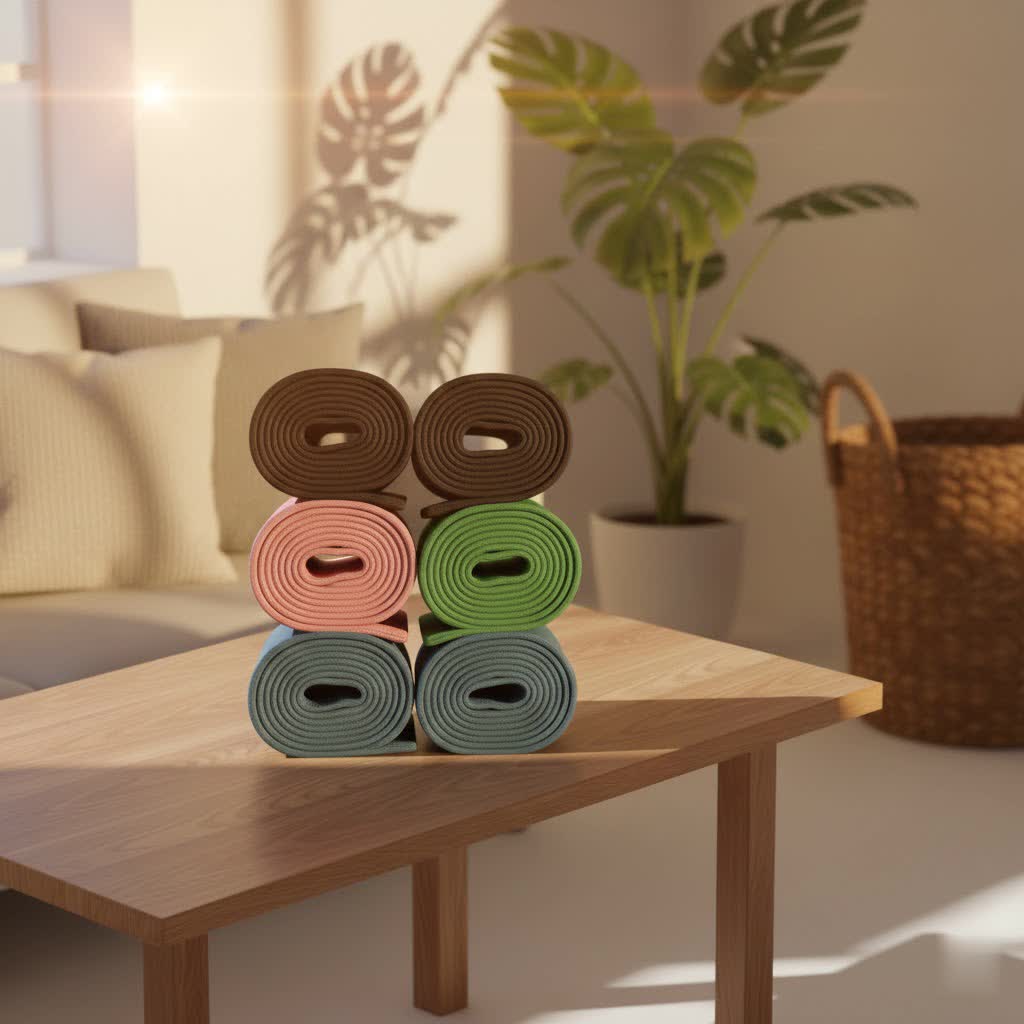
Resistance bands are elastic tools, typically made from latex or fabric, designed to add tension to your exercises. Unlike traditional free weights, which rely on gravity, resistance bands provide constant tension throughout the entire range of motion, engaging your arm muscles more effectively. This continuous challenge can lead to improved muscle activation and growth in your biceps, triceps, and shoulders.
The benefits of incorporating resistance bands into your arm training are extensive. They offer a low-impact, joint-friendly alternative to heavy weights, making them ideal for individuals recovering from injuries or those seeking to reduce strain on their joints. Their lightweight and portable nature makes them incredibly convenient for home workouts, gym sessions, or travel, ensuring you never miss an arm day. Beyond building strength and definition, resistance bands can also enhance flexibility and range of motion, contributing to better posture and overall muscle balance. They are also highly effective in rehabilitation settings, helping to rebuild strength and mobility safely.
Types of Resistance Bands for Arm Workouts
Resistance bands come in various forms, each suited for different arm exercises and resistance levels. Understanding the distinctions will help you choose the best tools for your workout.
- Loop Bands (Power/Pull-Up Bands): These are continuous loops, often thicker and wider. While popular for assisted pull-ups and lower body work, longer loop bands can also be effectively used for bicep curls, triceps extensions, and shoulder presses by standing on them or anchoring them. Their varied resistances make them adaptable for progressive overload.
- Tube Bands with Handles: Featuring a hollow tube design with handles on each end, these are perhaps the most user-friendly for direct arm exercises. The handles provide a comfortable grip for movements like bicep curls, triceps pushdowns, and chest presses, allowing for controlled and fluid motions. Many sets come with interchangeable tubes, offering a wide range of resistance levels.
- Mini Bands (Hip/Glute Bands): These are smaller, circular loop bands typically used for lower body exercises. However, lighter mini bands can be used for shoulder stability exercises, external rotations, or pre-activation work for the rotator cuff. While less common for major arm strength, they have their place in warm-ups and accessory work.
- Fabric Bands: Made from woven fabric with internal grip strips, these are known for their enhanced durability and comfort, especially against skin. While often designed for glute work, longer fabric bands can also be adapted for certain upper body exercises, offering a different feel and preventing rolling or snapping.
Most resistance bands are color-coded to indicate their resistance level, ranging from extra-light to extra-heavy. This system helps users select the appropriate band for each exercise and gradually increase intensity as they get stronger.
Comparing Popular Resistance Band Brands
When choosing resistance bands, it’s more about understanding the quality and features than specific brand names, as many reputable brands offer similar products. High-quality bands ensure safety, durability, and a consistent workout experience.
Look for bands made from natural latex rubber for superior elasticity and longevity. Some brands offer fabric-covered tube bands, which can provide an extra layer of protection and prevent snapping, though they might be bulkier. For tube bands with handles, comfortable, ergonomic handles are crucial to prevent hand fatigue and allow for a secure grip during intense workouts. Robust stitching and strong attachment points between the band and handles are indicators of good construction.
Reputable brands often offer sets of bands with varying resistance levels, allowing for progressive overload and catering to different muscle groups and exercise intensities. Check for customer reviews regarding the durability of the bands, their tendency to roll or snap, and the accuracy of their stated resistance levels. While specific brand comparisons might change, prioritizing these material and design characteristics will guide you to a reliable purchase.
How to Choose the Right Resistance Bands for Your Arm Goals
Selecting the perfect resistance band set for your arm workouts involves a few key considerations tailored to your fitness journey.
Defining Your Arm Training Objectives
Before buying, clarify what you want to achieve. Are you aiming to build significant muscle mass, tone your existing arm muscles, improve endurance, aid in injury recovery, or simply maintain fitness on the go?
- For muscle growth and strength, you’ll need a range of heavier resistance bands that truly challenge your muscles.
- For toning and endurance, lighter to medium bands that allow for higher repetitions will be more suitable.
- For rehabilitation or flexibility, very light resistance bands are often recommended to start, focusing on controlled movements.
|
Our Picks for the Best Resistance Bands in 2026
As an Amazon Associate I earn from qualifying purchases.
|
||
| Num | Product | Action |
|---|---|---|
| 1 | Resistance Bands for Working Out with Workout Bands Guide. 4 Booty Bands for Women Men Fabric Elastic Bands for Exercise Bands Resistance Bands for Legs Bands for Working Out Hip Thigh Glute Bands Set |

|
| 2 | Resistance Bands for Working Out, 5-Pack Elastic Exercise Bands for Strength Training, Stretching, Workout; Home Gym Equipment for Women Men, Pilates Yoga Physical Therapy, Leg Glute Arm Exercise Kit |
|
| 3 | Pull Up Assistance Bands, 5-Level Resistance Bands for Working Out, Pull Up Bands for Men & Women, Exercise Bands for Full-Body Training, Fitness, Physical Therapy, Stretch Workout Bands at Home, Gym |
|
| 4 | Pull Up Bands, Resistance Bands, Pull Up Assistance Bands Set for Men & Women, Exercise Workout Bands for Working Out, Body Stretching, Physical Therapy, Muscle Training |
|
| 5 | 6PCS Silicone Ankle Strap for Swimming, Legs Resistance Exercise Swim Band, Aquatic Resistance Belt, General Swimming AIDS for Kids and Adults |
|
| 6 | 5 Pcs Professional Resistance Bands. Latex-Free, Elastic Band, Work Out Bands, Stretch Bands for Working Out Women or Men, Exercise Bands Set for Physical Therapy, Yoga, Pilates |
|
| 7 | Upgraded Pedal Resistance Band with Handle, Soft Durable Fashion Puller Exercise with Thickened 6 Tension Ropes, Tube Pedal Resistance Device for Abdomen, Waist, Arm, Leg, Core/ABS |
|
| 8 | WHATAFIT Resistance Bands, Exercise Bands,Resistance Bands for Working Out, Work Out Bands with Handles for Men and Women Fitness, Strength Training Home Gym Equipment |
|
| 9 | VEICK Resistance Bands, Exercise Bands, Workout Bands, Resistance Bands for Working Out with Handles for Men and Women, Exercising Bands for Fitness Weights Work Out at Home |
|
| 10 | Resistance Bands, Pull Up Assist Bands - Workout Bands, Eexercise Bands, Long Resistance Bands Set for Working Out, Fitness, Training, Physical Therapy for Men Women |
|
Selecting the Appropriate Resistance Level
A common mistake is starting with bands that are too heavy or too light. It’s always advisable to start with a lighter resistance band to master the proper form for each exercise. As your strength improves, you can gradually move up to heavier bands. Many sets include multiple bands, allowing for easy progression or even combining bands for increased resistance. Pay attention to the resistance ratings, usually indicated in pounds or kilograms, to match your current strength and workout goals.
Material and Durability Matters
The material greatly influences a band’s performance and lifespan.
- Natural latex rubber bands offer excellent elasticity and are generally durable, but can degrade with exposure to sunlight or sharp objects.
- Synthetic rubber alternatives are available for those with latex allergies.
- Fabric bands (often a blend of cotton and elastic) are comfortable, less likely to roll or snap, and feel softer against the skin, making them popular for certain exercises.
- Always inspect bands for any signs of wear, such as nicks or tears, before each workout to prevent unexpected snapping.
Considering Band Type and Features
The exercises you plan to perform will dictate the best band type.
- Loop bands are great for compound movements and exercises where you can anchor the band under your feet or around an object.
- Tube bands with handles are generally preferred for bicep curls, triceps pushdowns, and shoulder presses as they offer a comfortable grip and mimic dumbbell movements more closely.
- Some sets offer door anchors or ankle straps, expanding the variety of exercises you can perform by providing secure attachment points.
Effective Resistance Band Arm Exercises for a Full Upper Body Workout
Resistance bands can target every major muscle group in your arms effectively, including biceps, triceps, and shoulders. Here are some key exercises to include in your routine:
-
Bicep Curls:
- Standing Bicep Curl: Stand on the middle of a loop or tube band, holding the ends with an underhand grip. Curl your hands up towards your shoulders, squeezing your biceps. Slowly lower.
- Single-Arm Hammer Curl: Stand on one end of a band, holding the other end with a neutral grip (palm facing your body). Curl your hand towards your shoulder. This targets the brachialis and brachioradialis for overall arm thickness.
- Reverse Grip Curl: Similar to a bicep curl, but with an overhand grip, engaging more of the forearms.
-
Triceps Exercises:
- Overhead Triceps Extension: Stand on the band, holding one end behind your head with both hands. Extend your arms straight overhead, pushing against the band.
- Triceps Kickbacks: Anchor the band to a sturdy object or step on it. Hinge at your hips, keeping your back straight, and extend your arm(s) straight back, squeezing your triceps.
- Triceps Pushdowns: Anchor a tube band high up in a door frame using a door anchor. Grab the handles with an overhand grip, elbows tucked in, and push down, straightening your arms.
- Skull Crushers: Lie on your back, anchoring the band under a bench or your upper back. Hold the handles with arms extended above your chest, then bend elbows to bring hands towards your forehead, extending back up.
-
Shoulder Exercises:
- Lateral Raises: Stand on the band, holding the handles by your sides. Keeping your arms mostly straight, raise them out to the sides until shoulder height.
- Front Raises: Similar to lateral raises, but raise your arms straight out in front of you.
- Shoulder Press: Stand on the band, holding the handles at shoulder height. Press your arms straight overhead.
- Band Pull-Aparts: Hold a lighter loop band with both hands at shoulder height, arms extended in front. Pull the band apart, squeezing your shoulder blades together.
Important Tip: Always maintain constant tension on the band throughout the exercise. Control both the concentric (lifting) and eccentric (lowering) phases of the movement to maximize muscle engagement and prevent injury. Focus on slow, controlled movements rather than relying on momentum.
Where to Buy Quality Resistance Bands
Finding reliable resistance bands is easier than ever, with many options available both online and in physical stores.
For convenience and a wide selection, online retailers like Amazon, dedicated fitness equipment websites (e.g., Rogue Fitness, Gymshark, Bodylastics, Undersun Fitness), and even large department stores’ online sections are excellent choices. Shopping online allows you to compare prices, read numerous user reviews, and often find complete sets that offer a better value. Look for sellers with clear product descriptions, material specifications, and a good return policy.
If you prefer to see and feel the product before buying, physical sports and fitness stores (e.g., Dick’s Sporting Goods, Academy Sports + Outdoors, local specialty fitness shops) are great options. This allows you to test the band’s resistance, assess the quality of handles, and get advice from sales associates. Discount retailers or large general merchandise stores might also carry basic resistance band sets, but quality can vary.
When buying online, pay close attention to user reviews. They often provide valuable insights into a band’s durability, actual resistance level compared to its description, and overall user satisfaction.
Proper Care and Maintenance for Your Resistance Bands
To ensure the longevity and effectiveness of your resistance bands, proper care is essential.
After each use, gently wipe down your bands with a damp cloth and mild soap (if necessary) to remove sweat, dirt, and oils. Allow them to air dry completely before storing. Avoid using harsh chemicals or abrasive cleaners, which can degrade the material.
Store your resistance bands in a cool, dry place away from direct sunlight, extreme temperatures, and sharp objects. UV light and heat can cause latex and rubber to break down, becoming brittle and prone to snapping. A mesh bag, often included with sets, is ideal for storage and portability, protecting them from dust and damage.
Regularly inspect your bands for any signs of wear and tear, such as small tears, nicks, or loss of elasticity. Even minor damage can compromise the band’s integrity and lead to snapping during use, potentially causing injury. If a band shows significant signs of wear, it’s safer to replace it. Taking these simple steps will extend the life of your resistance bands and keep your workouts safe and effective.
Common Mistakes to Avoid When Training Arms with Resistance Bands
While resistance bands are incredibly beneficial, certain mistakes can hinder your progress or even lead to injury.
One of the most common errors is using the wrong resistance level. If the band is too light, you won’t challenge your muscles enough for growth. If it’s too heavy, you might sacrifice proper form, leading to compensatory movements and potential strain. Always choose a band that allows you to complete the exercise with good form for the desired number of repetitions, feeling a challenge towards the end of the set.
Sacrificing form for speed or resistance is another pitfall. Rushing through repetitions or using momentum instead of controlled muscle contraction reduces the effectiveness of the exercise and increases injury risk. Focus on slow, deliberate movements, maintaining tension throughout both the lifting and lowering phases.
Not allowing adequate recovery for your arm muscles can lead to overtraining and plateaus. Just like with weights, your muscles need time to repair and grow stronger. Ensure you incorporate rest days or alternate muscle groups to facilitate recovery.
Finally, neglecting band maintenance can lead to dangerous situations. A worn-out band can snap unexpectedly. Always inspect your bands before use and replace them if they show any signs of damage.
Your Comprehensive Resistance Band Arm Buying Guide
Making an informed decision about resistance bands involves more than just picking a color. Consider these factors to find the perfect set for your arm training.
Setting Your Budget
Resistance bands are generally more affordable than dumbbells or machines, but prices vary. A basic set of loop bands can be very inexpensive, while a high-quality set of tube bands with handles and accessories might cost more. Determine how much you’re willing to invest, but remember that durability and performance often correlate with price. Investing a bit more upfront can save you money in the long run by providing a product that lasts.
Online vs. In-Store Purchase
As discussed, both online and in-store options have their merits. Online offers convenience and choice, while in-store provides a tactile experience. If buying online, prioritize reputable sellers with transparent product details and customer service. If in-store, take the opportunity to feel the band materials and test the handle comfort.
The Power of User Reviews
Don’t underestimate the value of user reviews. They provide real-world insights into a product’s performance, durability, and user experience. Look for consistent feedback regarding resistance levels, comfort, and longevity. Be wary of products with very few reviews or excessively positive, unspecific feedback. Reviews from users with similar fitness goals can be particularly helpful in guiding your choice.
Conclusion
Resistance bands are a powerful, portable, and remarkably effective tool for sculpting strong, defined arms. Their ability to provide constant tension, protect your joints, and offer versatile workout options makes them an invaluable addition to any fitness regimen. By understanding the different types, choosing the right resistance, maintaining proper form, and caring for your equipment, you can unlock the full potential of resistance bands to build impressive biceps, triceps, and shoulders. Whether you’re a seasoned lifter or just starting your fitness journey, embracing resistance bands can lead to significant gains and a more dynamic workout experience. So, are you ready to transform your arm workouts and see what resistance bands can do for you?
Frequently Asked Questions
Are resistance bands as effective as weights for arm muscle growth?
Yes, resistance bands can be very effective for muscle growth and strength, particularly due to the constant tension they provide throughout the entire range of motion, which is often superior to free weights. They challenge muscles differently and can be an excellent alternative or supplement to traditional weights, leading to significant gains.
How often should I work out my arms with resistance bands?
For optimal results and to allow for muscle recovery, it’s generally recommended to train your arm muscles with resistance bands 2-3 times per week, with at least 48 hours of rest between sessions targeting the same muscle groups. Consistency and progressive overload are key for muscle development.
Can resistance bands help with arm flab or toning?
Absolutely. Resistance bands are excellent for toning and reducing arm flab. By providing continuous resistance, they engage your muscles more intensely, helping to build lean muscle mass and burn fat, leading to a more defined and sculpted appearance in your biceps and triceps.
What resistance level is best for beginners training arms?
Beginners should typically start with light to medium resistance bands. This allows you to focus on learning proper form and engaging the correct muscles without undue strain. As your strength improves, you can gradually increase the resistance by using a heavier band or combining multiple bands.
How do I prevent my resistance bands from snapping during an arm workout?
To prevent snapping, always inspect your bands for nicks or tears before each workout. Avoid stretching them beyond their intended capacity, and store them properly away from direct sunlight and extreme temperatures. Using high-quality bands and replacing any showing signs of wear are crucial safety measures.
