Embarking on a running journey, whether as a seasoned marathoner or a casual jogger, often brings with it the universal quest for improved performance, enhanced resilience, and injury-free strides. If you’ve ever felt the sting of a nagging injury, struggled to break through a performance plateau, or simply wished for stronger, more efficient running form, the answer might lie in a deceptively simple yet incredibly powerful tool: Running Resistance Bands. These versatile fitness companions are changing the game for runners worldwide, offering a portable and potent way to sculpt crucial running muscles, correct imbalances, and unlock your full athletic potential. This comprehensive guide will delve into everything you need to know about integrating resistance bands into your running regimen, from understanding their benefits and choosing the right types to mastering effective exercises and maximizing their lifespan.
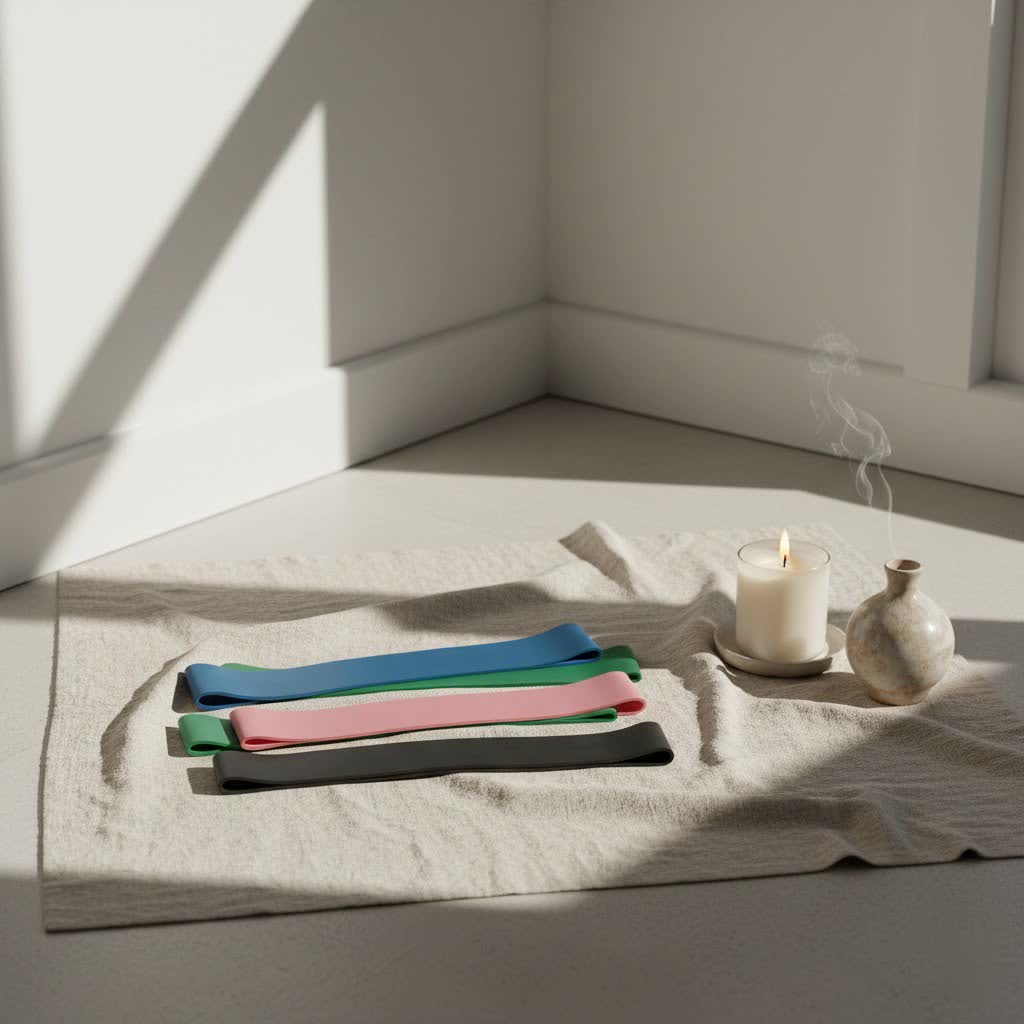
What Are Running Resistance Bands and Why Should You Use Them?
At their core, running resistance bands are elastic tools designed to create tension, forcing your muscles to work harder against that resistance. Unlike traditional weights, which rely on gravity, bands provide continuous tension throughout a movement, engaging muscle fibers in a unique and highly effective way.
For runners, the benefits are extensive:
- Targeted Muscle Strengthening: Resistance bands allow you to isolate and strengthen specific muscle groups vital for running, such as the glutes, hamstrings, hip flexors, and core. This targeted approach ensures that your primary movers and crucial stabilizing muscles are equally powerful, leading to a more balanced and efficient stride.
- Injury Prevention: Many common running injuries, like IT band syndrome, runner’s knee, and shin splints, stem from muscle imbalances and weaknesses. Resistance bands excel at strengthening the smaller, often-neglected stabilizing muscles around your knees, hips, and ankles, significantly reducing your risk of injury.
- Enhanced Running Performance: By building strength in key areas and improving muscle activation, resistance band training directly translates to better running economy. You’ll experience more powerful push-offs, a more stable core, and improved endurance, enabling you to run faster, further, and with greater ease.
- Improved Flexibility and Mobility: Incorporating bands into dynamic stretches and mobility drills can increase your range of motion, helping to alleviate muscle tightness and promote fluid, unrestricted movement, which is essential for proper running form.
- Joint-Friendly Training: Resistance bands offer a low-impact alternative to heavy weights, placing less stress on your joints. This makes them ideal for runners recovering from injury, those with joint sensitivities, or anyone looking to add effective strength training without the wear and tear of high-impact exercises.
- Portability and Versatility: Lightweight and compact, resistance bands can easily be tossed into a gym bag, suitcase, or even a desk drawer. This makes them perfect for home workouts, travel, or quick pre-run activation sessions, ensuring you can maintain your strength training consistency no matter where you are.
Popular Types of Resistance Bands for Runners
The world of resistance bands offers a variety of shapes, sizes, and materials, each suited for different exercises and training goals. Understanding the distinctions will help you select the most effective tools for your running-specific needs.
- Loop Bands (Mini Bands): These are continuous loops, typically flat or fabric, ranging from a few inches to a foot in circumference. They are incredibly popular among runners for lower body exercises, particularly for targeting the glutes, hips, and thighs. They come in various resistance levels (light to extra heavy), often indicated by color.
- Pros: Excellent for isolating smaller muscle groups, highly portable, easy to use for lateral movements and hip activation.
- Cons: Can sometimes roll up or pinch skin (especially latex ones); limited for full-body exercises requiring longer range of motion.
- Applications for Runners: Glute bridges, lateral walks, clamshells, monster walks, knee drives.
- Tube Bands with Handles: These are longer, cylindrical bands with handles at each end. They often come with attachments like door anchors and ankle straps, expanding their exercise versatility.
- Pros: Great for a wider range of exercises, including upper body and full-body movements; handles provide a comfortable grip.
- Cons: Less effective for exercises requiring constant tension around the legs like mini bands; can be bulky with all attachments.
- Applications for Runners: Rows, presses, bicep curls, standing leg extensions (with ankle strap).
- Fabric Bands: Similar in shape to loop bands, but made from a woven elastic fabric. These are typically wider and often have non-slip grippy strips on the inside.
- Pros: Comfortable against the skin, less likely to roll or pinch, highly durable.
- Cons: Can be more expensive than latex loop bands; might offer slightly less stretch for certain movements.
- Applications for Runners: Ideal for glute and hip-focused exercises, squats, and lunges where comfort and stability are key.
- Power/Assistance Bands (Long Loop Bands): These are much longer and thicker loop bands, often used for assisted pull-ups or heavy resistance training. While not as commonly used for the specific runner drills, they can provide higher resistance for larger compound movements or assist with dynamic stretches.
- Pros: High resistance levels, very durable.
- Cons: Can be too much resistance for beginner runner-specific exercises; less portable than mini bands.
- Applications for Runners: Assisted stretching, heavy banded squats, deadlifts (for advanced users).
- Stretch Straps with Loops: While not strictly “resistance bands,” these long straps with multiple loops are excellent for improving flexibility and range of motion, especially for tight hamstrings or hip flexors, which are common among runners.
- Pros: Aids in deep stretching, controlled flexibility work.
- Cons: No “resistance” in the traditional sense.
- Applications for Runners: Static and dynamic stretching for hamstrings, quads, hip flexors, and calves.
Comparing Top Resistance Band Brands for Runners
The market is flooded with resistance band options, making it challenging to pinpoint the best. While specific product recommendations can change, here’s a general comparison of what to look for and common characteristics among reputable brands.
Detailed Comparison Chart (General Traits)
|
Our Picks for the Best Resistance Bands in 2026
As an Amazon Associate I earn from qualifying purchases.
|
||
| Num | Product | Action |
|---|---|---|
| 1 | Resistance Bands for Working Out with Workout Bands Guide. 4 Booty Bands for Women Men Fabric Elastic Bands for Exercise Bands Resistance Bands for Legs Bands for Working Out Hip Thigh Glute Bands Set |

|
| 2 | VEICK Resistance Bands, Exercise Bands, Workout Bands, Resistance Bands for Working Out with Handles for Men and Women, Exercising Bands for Fitness Weights Work Out at Home |
|
| 3 | Resistance Bands, Pull Up Assist Bands - Workout Bands, Eexercise Bands, Long Resistance Bands Set for Working Out, Fitness, Training, Physical Therapy for Men Women |
|
| 4 | Resistance Bands for Working Out, 5-Pack Elastic Exercise Bands for Strength Training, Stretching, Workout; Home Gym Equipment for Women Men, Pilates Yoga Physical Therapy, Leg Glute Arm Exercise Kit |
|
| 5 | 6PCS Silicone Ankle Strap for Swimming, Legs Resistance Exercise Swim Band, Aquatic Resistance Belt, General Swimming AIDS for Kids and Adults |
|
| 6 | Pull Up Assistance Bands, 5-Level Resistance Bands for Working Out, Pull Up Bands for Men & Women, Exercise Bands for Full-Body Training, Fitness, Physical Therapy, Stretch Workout Bands at Home, Gym |
|
| 7 | Upgraded Pedal Resistance Band with Handle, Soft Durable Fashion Puller Exercise with Thickened 6 Tension Ropes, Tube Pedal Resistance Device for Abdomen, Waist, Arm, Leg, Core/ABS |
|
| 8 | WHATAFIT Resistance Bands, Exercise Bands,Resistance Bands for Working Out, Work Out Bands with Handles for Men and Women Fitness, Strength Training Home Gym Equipment |
|
| 9 | Pull Up Bands, Resistance Bands, Pull Up Assistance Bands Set for Men & Women, Exercise Workout Bands for Working Out, Body Stretching, Physical Therapy, Muscle Training |
|
| 10 | 5 Pcs Professional Resistance Bands. Latex-Free, Elastic Band, Work Out Bands, Stretch Bands for Working Out Women or Men, Exercise Bands Set for Physical Therapy, Yoga, Pilates |
|
| Feature | Quality Latex/Rubber Bands (e.g., TheraBand, Bodylastics, Whatafit) | Quality Fabric Bands (e.g., Walito, Victorem, BC Strength) |
|---|---|---|
| Material | Natural latex, layered latex, synthetic rubber | Woven elastic fabric (polyester/cotton blend with latex) |
| Durability | Good, but can snap or tear with improper use/age; layered latex is more robust | Excellent, highly resistant to tearing and stretching out |
| Resistance | Wide range, from very light to extra heavy; color-coded | Usually medium to heavy, excellent for lower body |
| Comfort | Can pinch skin or roll, especially thinner loops | Soft, comfortable, won’t pinch or roll |
| Grip | Smooth, can be slippery with sweat | Often includes inner anti-slip grippy strips |
| Price Range | Generally more affordable for sets | Slightly higher price point due to material |
| User Reviews | Praised for versatility, effectiveness | Highly rated for comfort, stability, and durability |
| Best For | General strength, high variety of movements, rehabilitation | Glute and hip activation, lower body power, no-slip workouts |
When selecting, consider brands like TheraBand (known for physical therapy and consistent resistance), Fit Simplify (popular, affordable loop sets), Bodylastics (durable tube bands with anti-snap features), Whatafit (versatile tube band sets with accessories), and Walito or Victorem (highly-rated fabric loop bands for lower body). Brands focused on runners, like FortiraFit or Byrdband, often offer specialized kits. Always check recent reviews for current product quality and user satisfaction.
How to Choose the Right Running Resistance Bands
Selecting the perfect resistance bands for your running journey involves a few key considerations that align with your personal goals and preferences.
Define Your Training Goals
Before purchasing, ask yourself: What do I want to achieve with these bands?
- Injury prevention or rehabilitation? Lighter resistance and versatile loop bands or tube bands with ankle straps might be best to gently strengthen specific, often smaller, stabilizing muscles.
- Improving running speed and power? Medium to heavy loop bands for glute and hip strength, or power bands for explosive movements.
- Enhancing flexibility and mobility? A stretch strap with loops or lighter long loop bands will be more suitable.
- General strength and cross-training? A comprehensive set of tube bands with handles and a range of loop bands offers the most versatility.
Selecting Appropriate Resistance Levels
Resistance bands come in various strengths, usually indicated by color. It’s crucial to start with a resistance that allows you to maintain proper form throughout the entire exercise.
- Beginners: Start with light to medium resistance. You should be able to complete 12-15 repetitions with good form, feeling the muscle working but not struggling excessively.
- Progression: As you get stronger, you can move up to a heavier band or combine bands to increase the challenge. Having a set with varying resistance levels is ideal for progressive overload.
- Different exercises, different resistance: You might need a lighter band for hip internal rotation and a heavier one for glute bridges, even in the same workout.
Material Quality and Durability
The material dictates both the feel and the lifespan of your bands.
- Latex: Most common. Natural latex offers good elasticity. Layered latex construction (like Bodylastics) enhances durability and reduces the risk of snapping. Be aware of latex allergies.
- Fabric: Typically made from a blend of cotton/polyester and elastic fibers. Fabric bands are renowned for their comfort, non-slip properties, and exceptional durability. They are less prone to rolling, pinching, or tearing than their latex counterparts.
- Inspect: Regardless of material, always inspect your bands for nicks, tears, or signs of wear before each use to prevent injury.
Brand Reputation and Pricing
Investing in reputable brands generally ensures better quality, durability, and customer support. While budget-friendly options exist, extremely cheap bands might compromise on safety and longevity.
- Research: Look for brands with strong positive reviews from other runners or fitness professionals.
- Value for Money: Sometimes a slightly higher upfront cost for a well-made set will save you money in the long run by avoiding frequent replacements.
- Sets vs. Individual: Consider purchasing a set that includes multiple resistance levels and types (e.g., a set of loop bands and a set of tube bands) for comprehensive training.
Effective Resistance Band Exercises for Full-Body Running Strength
Incorporating resistance bands into your routine doesn’t have to be complicated. These exercises target the key muscle groups runners need for power, stability, and injury prevention. Aim for 2-3 sets of 10-15 repetitions for each exercise, focusing on slow, controlled movements.
- Glutes & Hips:
- Glute Bridges with Band: Place a loop band just above your knees. Lie on your back, knees bent, feet flat. Drive your hips up, squeezing your glutes, while pressing your knees outwards against the band. Lower slowly.
- Lateral Band Walks: Place a loop band around your ankles or just above your knees. Stand with feet hip-width apart, knees slightly bent. Step sideways, maintaining tension in the band, then bring the trailing foot to meet it. Repeat in both directions.
- Clamshells: Lie on your side, knees bent at 45 degrees, feet together, loop band above knees. Keeping feet together, lift your top knee towards the ceiling, rotating only at the hip. Slowly lower.
- Monster Walks: With a loop band around your ankles or above your knees, stand with feet hip-width apart and knees slightly bent. Take diagonal steps forward and outward, keeping tension in the band. Then reverse, stepping backward and outward.
- Legs (Hamstrings & Quads):
- Banded Squats: Place a loop band just above your knees. Stand with feet shoulder-width apart. Perform a squat, pushing your knees outwards against the band as you descend. Drive through your heels to return to standing.
- Standing Hip Extension (Glute Kickbacks): Loop a resistance band around one ankle and anchor the other end to a sturdy object or hold it with your hands. Keeping your leg straight, extend it backward by squeezing your glute. Control the return.
- Hamstring Curls (Ankled Banded): Secure a tube band to a door anchor at ankle height. Loop the other end around one ankle. Facing the anchor, step back until there’s tension. Keeping your thigh still, curl your heel towards your glute. Slowly extend.
- Core:
- Plank Band Rows: Start in a plank position with a tube band looped around one wrist and anchored under the opposite hand, or anchored to a sturdy object. While maintaining a stable plank, row the banded arm up towards your chest.
- Banded Dead Bugs: Lie on your back with knees bent at 90 degrees and feet off the floor. Place a loop band around your feet. Extend one leg forward while simultaneously reaching the opposite arm overhead, maintaining core engagement and pressing your lower back into the floor.
- Pallof Press: Anchor a tube band to a sturdy object at chest height. Stand perpendicular to the anchor, holding the band with both hands at your chest. Press the band straight out in front of you, resisting the rotational pull. Slowly return.
- Ankles/Feet:
- Ankle Dorsiflexion/Inversion: Sit on the floor with one leg extended. Loop a light resistance band around your forefoot and anchor the other end. Pull your foot back towards your shin (dorsiflexion) or invert it (sole turning inward), working against the band.
Important Notes for Training: Always prioritize form over resistance. If your form breaks down, use a lighter band. Warm up with dynamic stretches before your band workout and cool down with static stretches afterward. Listen to your body and adjust as needed.
Where to Buy Running Resistance Bands
Finding high-quality running resistance bands is easier than ever with a variety of retail options.
- Online Retailers: Websites like Amazon, Bodylastics.com, RogueFitness.com, and specific brand websites (e.g., TheraBand, Fit Simplify) offer vast selections, competitive pricing, and user reviews. This is often the best place to find specialized brands or full sets.
- Sporting Goods Stores: Retailers like Dick’s Sporting Goods, Academy Sports + Outdoors, or local running stores typically carry a selection of resistance bands. This allows you to physically inspect the bands and test the resistance before buying.
- Fitness Specialty Stores: Stores dedicated to gym equipment or physical therapy supplies often stock higher-quality, professional-grade resistance bands.
Tips for Buying Online:
- Read Reviews: Pay close attention to reviews regarding durability, actual resistance levels, and comfort.
- Check Return Policies: Ensure you can return or exchange bands if they don’t meet your expectations or if the resistance isn’t right for you.
- Look for Sets: Buying a set of bands with varying resistance levels is usually more cost-effective than buying individual bands.
Proper Care and Maintenance for Your Running Resistance Bands
To extend the lifespan of your resistance bands and ensure safe workouts, proper care is essential.
- Storage: Store bands in a cool, dry place, away from direct sunlight, extreme temperatures, and sharp objects. UV light and heat can degrade the elasticity of latex bands.
- Cleaning: For latex bands, wipe them down with a damp cloth after use. Avoid harsh chemicals, as they can damage the material. For fabric bands, spot clean as needed or hand wash gently and air dry.
- Inspection: Before each workout, thoroughly inspect your bands for any nicks, tears, small holes, or loss of elasticity. Even a small tear can lead to a band snapping during use, which can cause injury. Discard damaged bands immediately.
- Avoid Overstretching: While bands are designed to stretch, consistently pulling them beyond their recommended capacity can accelerate wear and tear.
- Protect from Abrasion: Avoid rubbing bands against rough surfaces, which can cause damage. If using a door anchor, ensure the door frame is smooth.
Common Mistakes When Using Running Resistance Bands
While resistance bands are incredibly effective, misusing them can lead to ineffective workouts or even injury. Be aware of these common pitfalls:
- Incorrect Form: The most significant mistake. Using too much resistance or performing exercises incorrectly negates the benefits and increases injury risk. Always prioritize slow, controlled movements and proper technique over the number of reps or resistance level.
- Too Much Resistance Too Soon: Starting with a band that’s too heavy can compromise your form and lead to frustration. Begin with lighter bands and gradually increase resistance as your strength improves.
- Ignoring Warm-up and Cool-down: Just like with running, dynamic warm-ups and static cool-downs are crucial for resistance band workouts to prepare muscles and aid recovery.
- Inconsistent Use: To see results, consistency is key. Incorporate resistance band training into your routine 2-3 times a week.
- Letting Bands Snap Back: Control the concentric (muscle shortening) and eccentric (muscle lengthening) phases of each movement. Don’t let the band snap back quickly; this reduces muscle engagement and can be unsafe.
- Neglecting Core Engagement: Many resistance band exercises for runners inherently engage the core for stability. Failing to actively brace your core reduces the effectiveness of these movements.
- Not Inspecting Bands: Skipping the pre-workout inspection for wear and tear is a serious safety oversight.
Comprehensive Buying Guide for Running Resistance Bands
Making an informed purchase ensures you get the most out of your investment in resistance bands.
Budgeting for Your Bands
Resistance bands are generally affordable, but prices vary.
- Entry-Level Sets: You can find basic sets of loop bands for $10-$20.
- Mid-Range Sets: More comprehensive sets with varying resistance, different band types (loops, tubes), and accessories typically range from $30-$60.
- Premium Options: High-durability fabric bands or specialized professional sets can go upwards of $70-$100.
Determine what you’re willing to spend based on your commitment and desired features, remembering that quality often correlates with longevity.
Online vs. In-Store Purchase
Each option has its advantages.
- Online: Offers the widest selection, often better prices, and convenient delivery. You can compare many brands and read extensive user reviews. However, you can’t feel the quality or test resistance firsthand.
- In-Store: Allows you to physically inspect the bands, assess material quality, and get a feel for the resistance levels. You can also get immediate advice from sales associates. The selection might be more limited, and prices can sometimes be higher.
Reading User Reviews and Expert Opinions
Never underestimate the power of feedback from others.
- User Reviews: Provide real-world insights into a product’s durability, comfort, and effectiveness. Look for trends in feedback regarding material quality, snapping issues, or whether the resistance levels are accurate.
- Expert Opinions: Insights from physiotherapists, running coaches, or fitness professionals can guide you towards bands known for their efficacy in sports-specific training and rehabilitation.
Conclusion
Running resistance bands are far more than a passing fitness fad; they are a fundamental tool for any runner committed to improving their performance, building lasting strength, and staying injury-free. By strengthening critical muscles, enhancing stability, and allowing for targeted, low-impact training, these versatile bands empower you to run stronger, longer, and more efficiently. Integrating them into your training routine can truly revolutionize your running journey, offering a simple yet profoundly effective path to unlocking your full athletic potential. So, what specific improvements are you looking forward to seeing in your running performance by incorporating resistance bands?
