Are you seeking a versatile, portable, and highly effective tool to transform your fitness routine? Weight Resistance Bands have emerged as a powerhouse in the fitness world, offering a dynamic alternative to traditional weights and machines. From building muscle and enhancing flexibility to aiding in injury recovery, these unassuming elastic loops are revolutionizing how people approach strength training. This comprehensive guide will delve into everything you need to know about resistance bands, helping you unlock their full potential and find the perfect fit for your fitness journey.
What Are Resistance Bands and Why Should You Use Them?
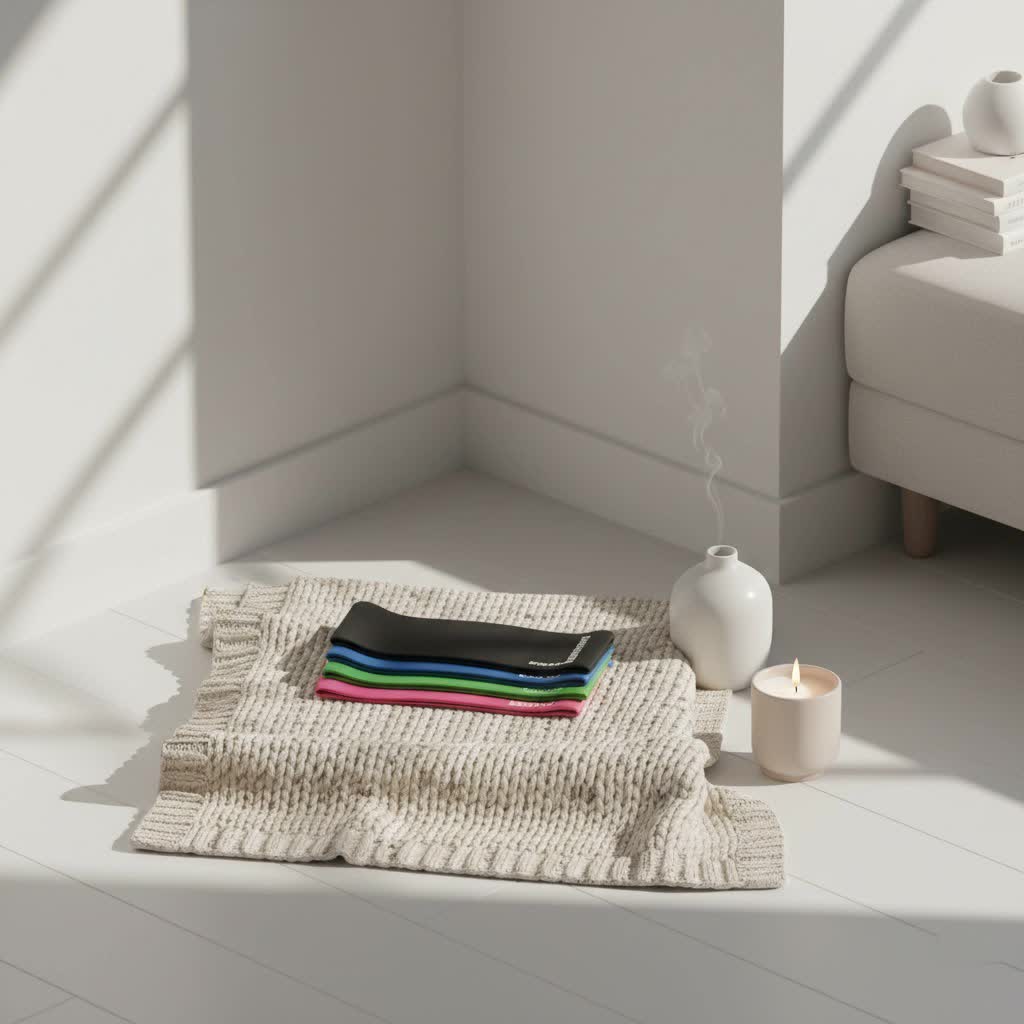
Resistance bands are essentially large elastic or fabric loops designed to provide tension against your movements, engaging muscles and building strength. Unlike free weights, which rely on gravity, resistance bands offer variable resistance—meaning the tension increases as the band stretches further—providing a unique challenge to your muscles throughout the entire range of motion. This constant tension can lead to more uniform muscle development and improved control.
The benefits of incorporating resistance bands into your training regimen are numerous and backed by scientific research. They can significantly help in building muscle and improving overall physical function, making daily tasks easier. Resistance bands are also excellent for strengthening bones, enhancing balance, and reducing the risk of falls and injuries. Studies indicate that resistance band training can be just as effective as traditional weights for increasing strength and muscle mass. Beyond strength, these bands improve flexibility and mobility, serve as an ideal tool for remote rehabilitation, and offer a low-impact exercise option that protects your joints. Their lightweight and portable nature makes them perfect for home workouts or travel, ensuring your fitness goals are always within reach.
Popular Types of Resistance Bands On The Market
The world of resistance bands offers a variety of shapes, sizes, and materials, each suited for different exercises and fitness goals. Understanding these types will help you choose the right tools for your workout.
- Loop Bands (Mini Bands / Glute Bands): These are small, closed-loop bands, typically made from latex or fabric.
- Pros: Excellent for lower body activation, hip and glute strengthening (e.g., lateral walks, squats, glute bridges). Fabric versions are less prone to rolling or sliding.
- Cons: Limited in versatility for full-body workouts compared to longer bands.
- Pull-Up Bands (Long Loop Bands / Power Bands): These are longer, thicker, closed-loop bands, usually made of durable latex.
- Pros: Highly versatile, used for assisted pull-ups, powerlifting, compound movements (banded deadlifts, squats), and full-body exercises. They offer significant resistance.
- Cons: Heavier resistance bands might be too strong for isolation or upper body movements for some users.
- Tube Bands with Handles: These bands feature a tube of latex or rubber with a handle at each end.
- Pros: Comfortable grip, mimicking dumbbell exercises, great for upper body and general strength training. Often come with door anchors for varied exercises.
- Cons: Handles and attachment points can wear out over time.
- Flat Resistance Bands (Therapy Bands): These are thin, flat, and typically long sheets of latex.
- Pros: Ideal for physical therapy, rehabilitation, and gentle stretching. They offer a very controlled, progressive resistance.
- Cons: Can sometimes roll up during use, especially thinner versions.
- Floss Bands: These are thicker, elastic bands designed to be tightly wrapped around muscles or joints.
- Pros: Primarily used for improving mobility, blood flow, and aiding in recovery by “flossing” tight areas. Excellent for pre-workout warm-ups and post-workout recovery.
- Cons: Not designed for traditional resistance training or muscle building.
Regarding materials, fabric bands are generally praised for their comfort and tendency to stay put without rolling or pinching skin, making them a favorite for lower body exercises. Latex (rubber) bands, on the other hand, offer greater stretch and are often more affordable, suitable for a broader range of movements including upper body exercises, explosive training, and stretching.
Comparing Popular Resistance Band Brands
Choosing the right brand can significantly impact your experience and the longevity of your resistance bands. Here’s a comparison of some well-regarded brands, considering key aspects:
Detailed Comparison Table
|
Our Picks for the Best Resistance Bands in 2026
As an Amazon Associate I earn from qualifying purchases.
|
||
| Num | Product | Action |
|---|---|---|
| 1 | Resistance Bands, Pull Up Assist Bands - Workout Bands, Eexercise Bands, Long Resistance Bands Set for Working Out, Fitness, Training, Physical Therapy for Men Women |

|
| 2 | WHATAFIT Resistance Bands, Exercise Bands,Resistance Bands for Working Out, Work Out Bands with Handles for Men and Women Fitness, Strength Training Home Gym Equipment |
|
| 3 | Resistance Bands for Working Out, 5-Pack Elastic Exercise Bands for Strength Training, Stretching, Workout; Home Gym Equipment for Women Men, Pilates Yoga Physical Therapy, Leg Glute Arm Exercise Kit |
|
| 4 | Pull Up Assistance Bands, 5-Level Resistance Bands for Working Out, Pull Up Bands for Men & Women, Exercise Bands for Full-Body Training, Fitness, Physical Therapy, Stretch Workout Bands at Home, Gym |
|
| 5 | Upgraded Pedal Resistance Band with Handle, Soft Durable Fashion Puller Exercise with Thickened 6 Tension Ropes, Tube Pedal Resistance Device for Abdomen, Waist, Arm, Leg, Core/ABS |
|
| 6 | Pull Up Bands, Resistance Bands, Pull Up Assistance Bands Set for Men & Women, Exercise Workout Bands for Working Out, Body Stretching, Physical Therapy, Muscle Training |
|
| 7 | VEICK Resistance Bands, Exercise Bands, Workout Bands, Resistance Bands for Working Out with Handles for Men and Women, Exercising Bands for Fitness Weights Work Out at Home |
|
| 8 | 5 Pcs Professional Resistance Bands. Latex-Free, Elastic Band, Work Out Bands, Stretch Bands for Working Out Women or Men, Exercise Bands Set for Physical Therapy, Yoga, Pilates |
|
| 9 | Resistance Bands for Working Out with Workout Bands Guide. 4 Booty Bands for Women Men Fabric Elastic Bands for Exercise Bands Resistance Bands for Legs Bands for Working Out Hip Thigh Glute Bands Set |
|
| 10 | 6PCS Silicone Ankle Strap for Swimming, Legs Resistance Exercise Swim Band, Aquatic Resistance Belt, General Swimming AIDS for Kids and Adults |
|
| Feature | Fit Simplify (Loop Bands) | Titan Fitness (Loop Bands) | Rogue Fitness (Monster/Tube Bands) | WODFitters (Fabric Bands) | TheraBand (Flat Bands) |
|---|---|---|---|---|---|
| Material | Latex (non-latex options available) | Latex | Latex, some with durable handles | Fabric (polyester/cotton + latex) | Latex (non-latex available) |
| Durability | Good for light-moderate use; replace periodically | Excellent, known for robust construction; 1-year warranty | Superior, built for heavy lifting and intense use | Extreme, highly durable, no rolling | Good for therapeutic/light use; prone to snapping if overstretched |
| Resistance | Light to heavy (color-coded) | Light to very heavy (color-coded, often in sets) | Very light to super heavy (wide range for pull-up assist, strength) | Light to heavy (specific for glutes, often fixed sizes) | Very light to heavy (color-coded, progressive resistance) |
| Price | $ (Budget-friendly) | $$ (Mid-range, great value) | $$$ (Premium, higher investment) | $$ (Mid-range) | $$ (Mid-range, often sold individually or in small sets) |
| User Review | Popular for beginners, good value for money; some initial odor reported | Highly rated for glute work, strong and reliable; limited versatility for some | Industry standard for serious lifters, professional quality | Praised for comfort, non-slip, and effectiveness for lower body | Trusted for rehab and gentle exercise; consistent tension delivery |
This table provides a snapshot, but always consider specific product lines from each brand as they often offer different types of bands.
How to Choose the Right Resistance Bands
Selecting the perfect resistance band involves understanding your personal fitness goals, current strength level, and material preferences.
Determine Your Training Goals
Before purchasing, clarify what you intend to achieve with resistance bands. Are you looking to:
- Build muscle and strength? You’ll need bands with higher resistance levels, often the long loop power bands or tube bands.
- Improve flexibility and mobility? Lighter flat bands or even floss bands are ideal.
- Target specific muscle groups like glutes? Mini loop bands (fabric or latex) are excellent.
- Assist with bodyweight exercises like pull-ups? Long loop power bands with significant resistance are necessary.
- Aid in rehabilitation or physical therapy? Progressive resistance flat bands (like TheraBand) are typically recommended.
Choose the Appropriate Resistance Level
Resistance bands are usually color-coded, with each color representing a different level of tension. It’s often beneficial to own a set of bands with varying resistance levels.
- Beginners or those focusing on rehabilitation should start with lighter bands to ensure proper form and avoid injury.
- Intermediate users can progress to medium-resistance bands for most exercises.
- Advanced lifters or those performing compound movements will benefit from heavy or extra-heavy bands to challenge their muscles effectively.
Remember, as you get stronger, you can either move to a heavier band or combine bands for increased resistance.
Consider Material and Durability
The material of your band directly impacts its feel, performance, and longevity.
- Latex bands are highly elastic and offer a wide range of resistance, but some individuals might have latex allergies. Look for high-quality latex to prevent snapping.
- Fabric bands (often a blend of cotton, polyester, and latex threads) are renowned for their durability, comfort, and non-slip properties, making them ideal for lower body workouts where rubber bands might roll up.
- Always inspect bands for visible signs of wear and tear, small nicks, or cracks, as these can indicate a band is close to snapping. A good quality band should feel robust and consistent in its elasticity.
Brand and Price Considerations
While budget is a factor, prioritizing quality and durability often saves money in the long run by preventing frequent replacements. Reputable brands generally use better materials and construction, leading to safer and more effective workouts. Read reviews to gauge user satisfaction with a brand’s products, especially concerning durability and consistency of resistance. You’ll find options ranging from affordable sets perfect for beginners to premium, heavy-duty bands designed for serious athletes.
Effective Full-Body Resistance Band Exercises
Resistance bands can provide a comprehensive full-body workout. Here are a few examples for different muscle groups:
- Upper Body:
- Banded Bicep Curls: Stand on the middle of a tube band (or long loop), holding handles (or ends of the loop) with palms forward. Curl your hands towards your shoulders, keeping elbows tucked. Slowly lower.
- Banded Tricep Extensions: Hold one end of a tube band in front of you, elbow bent, other end anchored under your foot or held behind your back. Extend your arm overhead or backward to straighten.
- Banded Chest Press (Standing): Loop a long resistance band around your back, under your armpits. Hold one end in each hand. Press your hands forward from your chest, as if doing a push-up.
- Banded Rows (Seated): Sit with legs extended, loop a band around your feet. Hold ends of the band and pull them towards your torso, squeezing your shoulder blades.
- Lower Body:
- Banded Squats: Place a mini loop band just above your knees. Perform squats, pushing your knees outward against the band to engage glutes.
- Banded Glute Bridges: Lie on your back with knees bent, feet flat, a mini loop band above your knees. Lift your hips off the floor, pushing knees out against the band.
- Banded Lateral Walks: Place a mini loop band around your ankles or just above knees. Take small, controlled steps sideways, maintaining tension on the band.
- Banded Deadlifts: Stand on a long loop band, holding the other end. Hinge at your hips, keeping your back straight, then stand up, squeezing glutes.
- Core:
- Banded Pallof Press: Anchor a tube or long loop band to a sturdy object at chest height. Stand perpendicular to the anchor, holding the band with both hands at your chest. Press the band straight out, resisting its pull, then slowly bring it back.
- Banded Plank Jacks: Assume a plank position with a mini loop band around your ankles. Jump your feet out and in, maintaining core stability.
Important Notes for Training: Always maintain control throughout the movement, both on the “push” and “return” phases. Avoid letting the band snap back suddenly. Focus on slow, controlled repetitions to maximize muscle engagement and minimize injury risk. If you feel any sharp pain, stop immediately.
Where to Purchase Reliable Resistance Bands
With the growing popularity of resistance bands, they are widely available from various retailers.
- Online Marketplaces: Websites like Amazon, eBay, and specialized fitness retailers (e.g., Rogue Fitness, Bodylastics, Titan Fitness) offer extensive selections, competitive prices, and customer reviews to guide your choice. This is often the best option for variety and detailed product information.
- Sporting Goods Stores: Major sports retailers (e.g., Decathlon, Dick’s Sporting Goods) typically stock a range of resistance bands, allowing you to physically inspect them before buying.
- Specialty Fitness Stores: Stores dedicated to fitness equipment may carry higher-end or specialized bands, and staff can often provide expert advice.
When buying online, remember to:
- Read customer reviews: Pay attention to comments about durability, resistance levels, and any reported issues like odor or snapping.
- Check return policies: Ensure you can return or exchange bands if they don’t meet your expectations or if there’s a defect.
- Look for reputable sellers: Purchase from established brands or authorized dealers to ensure authenticity and quality.
Proper Care and Maintenance for Your Resistance Bands
To maximize the lifespan and effectiveness of your resistance bands, proper care is essential.
- Cleaning: After each use, especially if you’ve sweat on them, wipe down your latex bands with a damp cloth and mild soap. Air dry thoroughly before storing. Fabric bands can often be hand-washed or machine-washed on a gentle cycle with mild detergent, then air-dried.
- Storage: Store bands in a cool, dry place away from direct sunlight, extreme heat, or cold. UV rays and temperature fluctuations can degrade the material. Keep them flat or loosely rolled to prevent kinks or permanent creases. Avoid storing them near sharp objects that could puncture or tear the material.
- Inspection: Regularly inspect your bands for any signs of wear, such as small tears, nicks, or thinning spots, especially near attachment points or handles. If you notice significant damage, it’s safer to replace the band to avoid snapping during a workout.
Common Mistakes to Avoid When Using Resistance Bands
While resistance bands are generally safe and effective, certain mistakes can diminish their benefits or even lead to injury.
- Choosing the Wrong Resistance: Using a band that’s too heavy can compromise form and lead to injury, while a band that’s too light won’t provide enough challenge for muscle growth. Start light and gradually increase resistance.
- Poor Form: Just like with free weights, incorrect technique can lead to inefficient workouts and potential strain. Focus on controlled movements, engage the correct muscles, and avoid jerky actions. Watch instructional videos or seek guidance if unsure.
- Ignoring Band Degradation: Resistance bands wear out over time. Failing to inspect them regularly for tears or thinning spots can result in a band snapping during an exercise, which can be painful and dangerous.
- Letting Bands Snap Back: Always control the eccentric (lengthening) phase of the movement. Allowing the band to snap back quickly not only reduces muscle engagement but can also cause injury.
- Using Bands on Rough Surfaces: Avoid dragging or rubbing latex bands against abrasive surfaces, as this can cause nicks and tears, shortening their lifespan.
Comprehensive Buying Guide
Navigating the array of resistance bands can be daunting, but a structured approach ensures you make an informed decision.
Budget Allocation
Determine how much you’re willing to spend. Resistance bands vary widely in price, from under $15 for basic loop sets to over $100 for premium kits with handles and door anchors. Budget-friendly options are great for beginners, but investing a bit more can often mean better durability and a wider range of resistance. Consider a mid-range set that offers versatility and good quality for long-term use.
Purchase Location
Decide whether to buy online or in-store. Online offers the convenience of home delivery and a vast selection, often with more competitive pricing and customer reviews. However, in-store allows you to physically feel the band material, test its stretch, and assess its quality firsthand. If buying online, stick to reputable e-commerce sites and direct brand websites.
Reading Reviews
Never underestimate the power of user reviews. They provide real-world insights into a product’s performance, durability, and any potential flaws that aren’t obvious from product descriptions. Look for common themes in reviews regarding:
- Durability and longevity: Do users report bands snapping quickly or holding up well over time?
- Resistance consistency: Is the resistance level accurate and consistent throughout the stretch?
- Material quality: Are there complaints about stickiness, odor (for latex), or rough edges?
- Comfort: Especially for fabric bands, do users find them comfortable against the skin?
> “Resistance bands are more than just elastic loops; they’re a gateway to functional strength and enhanced mobility. The key is to match the right tool to your specific goal and understand that progressive overload, even with bands, is crucial for results.” – Alex Stone, Certified Strength & Conditioning Specialist
Conclusion
Weight resistance bands offer an unparalleled combination of versatility, portability, and effectiveness, making them an indispensable tool for anyone looking to improve their fitness. Whether your goal is to build muscle, increase flexibility, aid in recovery, or simply add variety to your workouts, there’s a resistance band designed to meet your needs. By understanding the different types, choosing wisely based on your goals, and practicing proper technique and care, you can unlock a world of fitness possibilities. So, why not embrace the power of resistance and elevate your training to the next level? What fitness goals will you achieve with resistance bands?
Frequently Asked Questions
Are resistance bands as effective as weights for building muscle?
Yes, multiple studies suggest that resistance bands can be just as effective as traditional free weights or machines for building muscle strength and size. They provide variable resistance throughout the movement, which can lead to comprehensive muscle engagement and gains.
How do I choose the correct resistance level?
Start with a lighter band to master your form and movement. As you get stronger, gradually increase the resistance by using a thicker band or combining multiple bands. It’s best to have a set of bands with varying resistance levels to accommodate different exercises and muscle groups.
Can resistance bands help with weight loss?
Resistance bands can contribute to weight loss by building muscle mass, which boosts your metabolism and helps burn more calories. While they don’t directly burn as many calories as high-intensity cardio, consistent strength training with bands is crucial for a well-rounded weight loss strategy.
How long do resistance bands last?
The lifespan of resistance bands varies greatly depending on the material, quality, frequency of use, and proper care. High-quality latex bands or durable fabric bands can last for years with proper maintenance, while cheaper options may degrade more quickly. Regular inspection is key.
Are resistance bands suitable for beginners?
Absolutely! Resistance bands are excellent for beginners because they allow for controlled movements and can be easily adjusted to match any fitness level. They provide gentle resistance to help build foundational strength and improve body awareness without the intimidation or high impact of heavy weights.
Can I use resistance bands for rehabilitation?
Yes, resistance bands, especially flat therapy bands, are widely used in physical therapy and rehabilitation. Their ability to provide progressive, low-impact resistance makes them ideal for strengthening injured muscles and joints, improving range of motion, and aiding in recovery. Always consult a healthcare professional for rehabilitation guidance.
