Are you searching for a versatile, effective, and convenient way to boost your fitness? Look no further than Workout Elastic Resistance Bands. Whether you’re a seasoned athlete or just starting your fitness journey, these seemingly simple tools can transform your workouts, offering benefits that rival traditional weights while providing unmatched flexibility. In this comprehensive guide, we’ll explore everything you need to know about resistance bands, helping you unlock your full potential and achieve your fitness goals from anywhere.
What Are Resistance Bands and Why Should You Use Them?
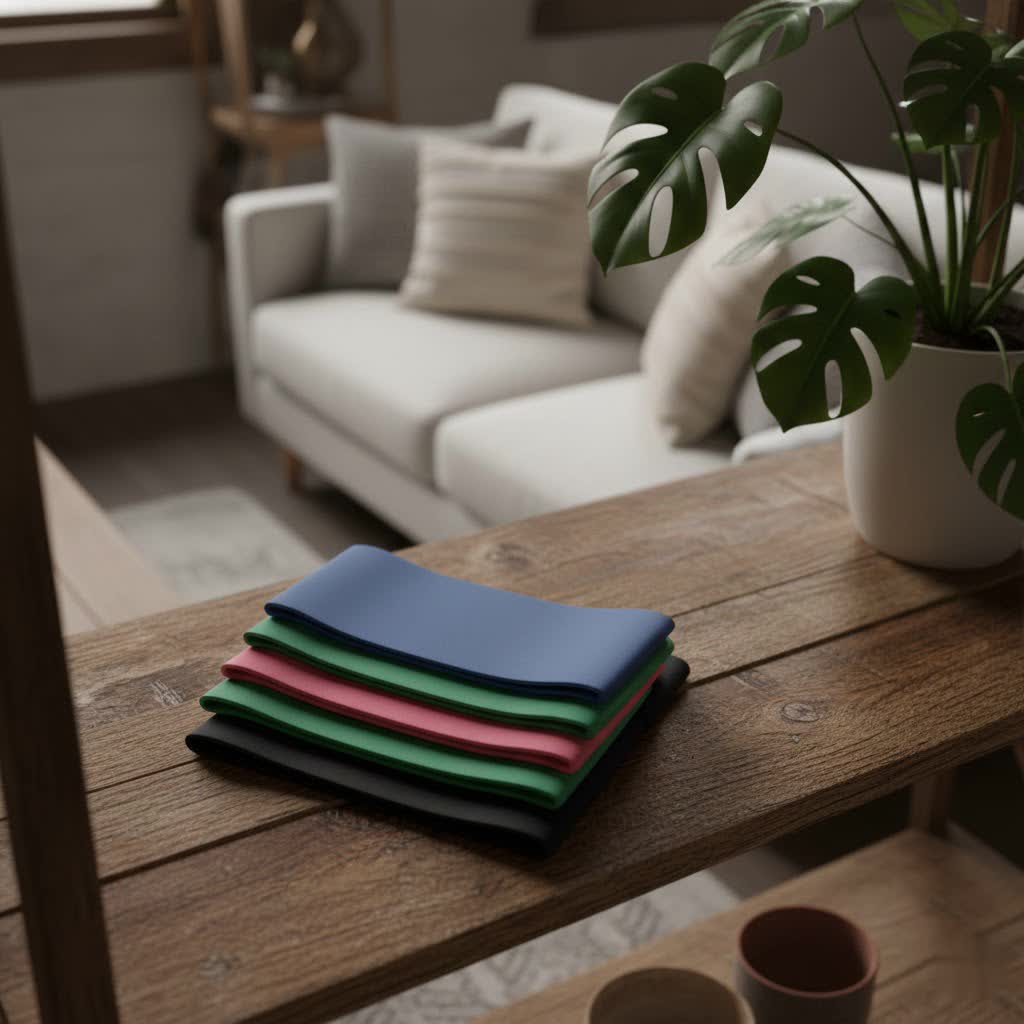
At their core, resistance bands are elastic tools designed to create tension when stretched, engaging your muscles in unique ways. Unlike free weights, which rely on gravity, resistance bands provide continuous tension throughout an exercise’s full range of motion, challenging your muscles differently. This variable resistance can lead to significant improvements in strength, flexibility, mobility, and balance.
The benefits of incorporating elastic resistance bands into your routine are extensive:
- Portability and Convenience: Lightweight and compact, they are perfect for home workouts, travel, or outdoor training, eliminating the need for bulky equipment or a gym membership.
- Affordability: Resistance band sets are typically much more budget-friendly than dumbbells or machines, offering excellent value.
- Joint-Friendly Workouts: They provide a low-impact alternative to heavy weights, reducing stress on your joints while still delivering effective muscle-building results. This makes them ideal for rehabilitation and injury prevention.
- Versatility: From targeted muscle activation to full-body strength training, a single set of bands can be used for countless exercises, adapting to nearly any fitness goal.
- Improved Muscle Stability and Coordination: Working against the band’s tension requires greater control, enhancing muscle stability and coordination.
- Progressive Overload: As you get stronger, you can easily increase the resistance by choosing a thicker band or adjusting your grip, ensuring continuous challenge and growth.
- Enhanced Flexibility and Range of Motion: Resistance bands are excellent for stretching and mobility work, helping to gradually increase joint range of motion and tissue flexibility.
Popular Types of Resistance Bands
The market offers a variety of resistance band types, each designed for specific exercises and fitness levels. Understanding these differences will help you choose the best tools for your workout needs.
- Loop Bands (Power Bands / Pull-up Bands): These are long, continuous loops of latex or rubber, often resembling large rubber bands. They come in varying widths, with thicker bands offering greater resistance.
- Pros: Highly versatile for full-body workouts, excellent for assisted pull-ups and dips, bodyweight resistance (e.g., banded push-ups), and dynamic movements. Durable and long-lasting.
- Applications: Strength training, powerlifting assistance, mobility work, warm-ups, full-body exercises like squats, deadlifts, and overhead presses.
- Mini Loop Bands (Booty Bands / Hip Circles): Shorter and wider loops, usually made from latex or fabric.
- Pros: Ideal for targeting smaller muscle groups, especially in the lower body (glutes, hips, thighs). Fabric versions are comfortable, stay in place, and don’t roll or pinch the skin.
- Applications: Glute activation, hip abduction/adduction exercises, squats, lateral walks, clam shells, and rehabilitation for lower body injuries.
- Tube Bands with Handles: These bands feature a rubber tube with sturdy handles at both ends, often coming with attachments like door anchors and ankle straps.
- Pros: Mimic gym machines and free weights, offering a comfortable grip for pushing and pulling exercises. Highly versatile for upper body and core.
- Applications: Bicep curls, tricep extensions, chest presses, shoulder presses, rows, and various core exercises when anchored.
- Flat Bands (Therapy Bands): Thin, flat sheets of latex, typically sold in rolls or cut lengths without handles.
- Pros: Offer very light, progressive resistance, making them perfect for gentle movements.
- Applications: Physical therapy, rehabilitation, stretching, yoga, Pilates, and improving flexibility and muscle mobility.
- Fabric Resistance Bands: Similar to mini loop bands but made entirely of woven fabric, often with non-slip grips on the inside.
- Pros: Superior comfort, incredible durability, and they don’t roll, snap, or pinch skin like some latex bands can. Excellent for lower body workouts.
- Applications: Glute exercises, squats, hip thrusts, and any movement where the band is placed around the thighs or ankles.
Top Resistance Band Brands and Their Offerings
When it comes to selecting resistance bands, quality and reliability are paramount. Many brands stand out for their durability, range of resistance, and user satisfaction.
For versatile loop bands suitable for strength training and pull-up assistance, brands like Rogue Monster Bands and Serious Steel are highly regarded for their heavy-duty construction and wide resistance options. If you’re looking for an excellent all-around set of tube bands with handles, Bodylastics and Whatafit often receive praise for their stackable resistance, comfortable grips, and inclusion of accessories like door anchors and ankle straps. For fabric loop bands that prioritize comfort and stability, particularly for lower body and glute work, Victorem and Iron Bull Strength are popular choices due to their non-slip designs and durable fabric material. For those focusing on therapy and rehabilitation, brands like TheraBand offer reliable flat bands with precise resistance levels. Many reputable brands like Bala Bands and Rep Fitness also offer high-quality options across different band types, often distinguished by unique designs or specific features like grippiness. Always check product reviews and brand reputation to ensure you’re investing in a durable and effective product.
Your Guide to Choosing the Right Resistance Bands
Choosing the right resistance band is crucial for an effective and safe workout. Consider these factors to find your perfect match:
Determine Your Fitness Goals
First, clarify what you want to achieve.
- Strength Building/Muscle Gain: You’ll need a variety of medium to heavy loop bands or tube bands with handles to progressively challenge your muscles.
- Toning/Endurance: Light to medium resistance bands (mini loops, flat bands, or lighter tube bands) are often sufficient.
- Rehabilitation/Flexibility: Lighter flat bands or very light loop bands are best for gentle, controlled movements.
- Assisted Bodyweight Exercises (e.g., Pull-ups): Thicker, longer loop bands provide the necessary assistance.
|
Our Picks for the Best Resistance Bands in 2026
As an Amazon Associate I earn from qualifying purchases.
|
||
| Num | Product | Action |
|---|---|---|
| 1 | Resistance Bands, Pull Up Assist Bands - Workout Bands, Eexercise Bands, Long Resistance Bands Set for Working Out, Fitness, Training, Physical Therapy for Men Women |

|
| 2 | 6PCS Silicone Ankle Strap for Swimming, Legs Resistance Exercise Swim Band, Aquatic Resistance Belt, General Swimming AIDS for Kids and Adults |
|
| 3 | Upgraded Pedal Resistance Band with Handle, Soft Durable Fashion Puller Exercise with Thickened 6 Tension Ropes, Tube Pedal Resistance Device for Abdomen, Waist, Arm, Leg, Core/ABS |
|
| 4 | Resistance Bands for Working Out with Workout Bands Guide. 4 Booty Bands for Women Men Fabric Elastic Bands for Exercise Bands Resistance Bands for Legs Bands for Working Out Hip Thigh Glute Bands Set |
|
| 5 | Resistance Bands for Working Out, 5-Pack Elastic Exercise Bands for Strength Training, Stretching, Workout; Home Gym Equipment for Women Men, Pilates Yoga Physical Therapy, Leg Glute Arm Exercise Kit |
|
| 6 | VEICK Resistance Bands, Exercise Bands, Workout Bands, Resistance Bands for Working Out with Handles for Men and Women, Exercising Bands for Fitness Weights Work Out at Home |
|
| 7 | WHATAFIT Resistance Bands, Exercise Bands,Resistance Bands for Working Out, Work Out Bands with Handles for Men and Women Fitness, Strength Training Home Gym Equipment |
|
| 8 | 5 Pcs Professional Resistance Bands. Latex-Free, Elastic Band, Work Out Bands, Stretch Bands for Working Out Women or Men, Exercise Bands Set for Physical Therapy, Yoga, Pilates |
|
| 9 | Pull Up Assistance Bands, 5-Level Resistance Bands for Working Out, Pull Up Bands for Men & Women, Exercise Bands for Full-Body Training, Fitness, Physical Therapy, Stretch Workout Bands at Home, Gym |
|
| 10 | Pull Up Bands, Resistance Bands, Pull Up Assistance Bands Set for Men & Women, Exercise Workout Bands for Working Out, Body Stretching, Physical Therapy, Muscle Training |
|
Select the Appropriate Resistance Level
Resistance bands are typically color-coded, with each color representing a different level of tension (e.g., yellow for extra light, red for light, black for medium, purple for heavy, green/blue for extra heavy). However, color coding isn’t universal across all brands, so always check the specific resistance range indicated in pounds (lbs) or kilograms (kg).
- Beginners: Start with lighter resistance to master form and movement patterns.
- Intermediate/Advanced: Progress to medium or heavy bands as your strength improves.
- Variety is Key: A set with multiple resistance levels allows for progressive overload and caters to different exercises and muscle groups. For instance, you might use a light band for shoulder exercises but a heavy one for squats.
Consider Material and Durability
The material significantly impacts a band’s feel and longevity.
- Latex/Rubber Bands: Offer great elasticity and are very versatile. However, some individuals might have latex allergies, and they can occasionally roll up or pinch skin, especially thinner loop bands. Quality latex bands are snap-resistant and durable.
- Fabric Bands: Made from woven fabric, these are generally more comfortable against the skin, won’t roll or pinch, and are exceptionally durable. They are a popular choice for lower body workouts.
Always inspect bands for signs of wear and tear (nicks, tears, cracks) before purchase and regularly during use to prevent breakage.
Brand Reputation and Value
Invest in bands from reputable brands known for their quality and customer satisfaction. While cheaper options exist, they may not offer the same durability or consistent resistance. Look for brands that provide clear resistance labeling, good reviews, and potentially a warranty, especially for higher-resistance bands. A well-made set can last for years and offer better long-term value.
Effective Full-Body Resistance Band Workouts
Resistance bands are incredibly versatile, allowing you to hit every major muscle group. Here are some effective exercises you can incorporate:
Upper Body
- Band Pull-Aparts: (Shoulders, Upper Back) Hold a light band with both hands at shoulder-width, arms extended. Pull the band apart, squeezing your shoulder blades together.
- Resistance Band Chest Press: (Chest) Anchor a tube band behind you or loop a power band around your back, holding the ends. Press your hands forward, extending your arms.
- Bicep Curls: (Biceps) Stand on a tube band or loop band with one foot, holding the handles/ends. Curl your hands towards your shoulders.
- Tricep Extensions: (Triceps) Anchor a tube band overhead or hold a loop band behind your head. Extend your arms upwards.
- Overhead Press: (Shoulders) Stand on a loop band or tube band, holding the ends at shoulder height. Press your arms overhead.
- Seated Rows: (Back) Sit with legs extended, loop the band around your feet. Pull the handles/ends towards your torso, squeezing your shoulder blades.
Lower Body
- Banded Squats: (Glutes, Quads, Hamstrings) Place a mini loop or fabric band just above your knees. Perform squats, pushing your knees out against the band.
- Glute Bridges: (Glutes, Hamstrings) Lie on your back with knees bent, feet flat. Place a mini loop or fabric band above your knees. Lift your hips, pushing knees out.
- Lateral Walks: (Glutes, Hips) Place a mini loop or fabric band around your ankles or just above your knees. Take small, controlled steps sideways, maintaining tension.
- Banded Deadlifts: (Glutes, Hamstrings, Back) Stand on a loop band, holding the ends. Hinge at your hips, keeping your back straight, then stand up.
- Leg Kickbacks: (Glutes) Loop a mini band around your ankles. Kick one leg straight back, engaging your glute.
Core
- Banded Bicycle Crunches: (Abs, Obliques) Lie on your back with a band looped around your feet. Perform bicycle crunches, resisting the band.
- Wood Chops: (Obliques) Anchor a tube band to the side. With both hands, pull the band diagonally across your body, engaging your core.
- Clamshells: (Glute Medius) Lie on your side with a mini loop or fabric band above your knees. Keeping feet together, lift your top knee.
Remember to focus on slow, controlled movements to maximize time under tension and ensure proper form.
Where to Buy Reliable Resistance Bands
Finding high-quality resistance bands is easier than ever. You have several excellent options, both online and in physical stores.
Online Retailers:
- Amazon: Offers a vast selection from numerous brands, often with competitive pricing and detailed customer reviews. Be sure to check seller reputation and product ratings.
- Specialized Fitness Brand Websites: Many reputable brands like Rubberbanditz, Power Systems, Rogue Fitness, and Gymreapers sell directly through their own websites, often providing more detailed product information, specific kits, and warranties. This can be a good option for specific types of bands or sets.
- Large Sporting Goods Stores Online: Websites for major sports retailers often carry a selection of resistance bands.
Physical Stores:
- Local Sporting Goods Stores: Allow you to physically feel the bands, test resistance levels, and compare different types before purchasing. Staff can often offer personalized advice.
- Department Stores with Fitness Sections: May offer basic sets of resistance bands suitable for beginners.
When buying online, pay close attention to product descriptions regarding material, resistance levels, and included accessories. Reading customer reviews can provide valuable insights into durability and user experience.
Proper Care and Maintenance for Your Resistance Bands
To ensure the longevity and effectiveness of your workout elastic resistance bands, proper care is essential. Regular maintenance will prevent premature wear and tear and keep them performing their best.
Cleaning:
- After Each Use: Wipe down your bands with a damp cloth to remove sweat, dirt, and dust. This prevents discoloration and acts as a basic hygiene practice.
- For Fabric Bands: These can often be machine washed on a gentle cycle with cold water and mild detergent. Avoid fabric softeners or bleach, and always air dry them away from direct sunlight.
- For Latex/Rubber Bands: Rinse them with warm water. Some sources suggest a very mild, diluted dish soap solution, but avoid harsh chemicals or strong soaps, as they can dry out the latex and make it brittle. Pat them dry with a towel rather than aggressively rubbing. A disinfectant spray or sanitizer can be used periodically, but ensure it’s safe for latex.
Storage:
- Cool, Dry Place: Always store your resistance bands away from direct sunlight, extreme heat, or cold. UV rays and high temperatures can degrade the material, causing it to become brittle and lose elasticity.
- Avoid Stretching in Storage: Do not store bands under tension or stretched, as this can permanently compromise their elasticity over time.
- Organized Storage: Store them neatly, perhaps on a hook, in a drawer, or in a mesh bag. This prevents tangling, which can cause damage, and protects them from accidental snags or punctures.
Inspection:
- Before Every Workout: Make it a habit to inspect your bands for any signs of wear and tear, such as nicks, cuts, tears, fraying, discoloration, or small holes.
- Replace When Damaged: If you notice any damage, no matter how small, it’s safer to replace the band immediately. A damaged band can snap during use, potentially causing injury.
Common Mistakes to Avoid with Resistance Bands
While resistance bands are fantastic tools, certain common mistakes can hinder your progress or even lead to injury. Being aware of these pitfalls will help you maximize your workouts.
- Using the Wrong Resistance Level: Opting for a band that’s too heavy can compromise your form and strain muscles, while one that’s too light won’t provide enough challenge for muscle growth. Always choose a band that allows you to complete your reps with good form while feeling challenged.
- Neglecting Proper Form: Just like with free weights, maintaining correct posture and movement patterns is vital. Poor form reduces effectiveness and increases injury risk. Focus on controlled movements, keeping your core engaged and body aligned.
- Rushing Through Reps: Momentum can easily take over, reducing the “time under tension” that makes resistance bands so effective. Slow, deliberate movements, controlling both the stretching (concentric) and returning (eccentric) phases, will maximize muscle engagement.
- Overstretching the Bands: Every band has a stretch limit. Pulling a band too far can cause it to tear or snap, potentially leading to serious injury. If an exercise feels like it’s pushing the band beyond its comfortable limit, switch to a thicker, stronger band.
- Not Warming Up: Skipping a warm-up, even with seemingly gentle bands, can increase injury risk. Incorporate dynamic stretches or very light resistance band exercises to prepare your muscles and joints.
- Sticking to the Same Routine: Your muscles adapt. To continue seeing results, you need progressive overload—gradually increasing resistance, reps, sets, or varying your exercises. Don’t be afraid to try new movements or band combinations.
- Ignoring Band Inspection: Failing to check your bands for signs of wear and tear before each use is a safety hazard. Damaged bands can break unexpectedly.
- Choosing Unsafe Anchor Points: If using a door anchor or wrapping a band around an object, ensure the anchor point is stable, secure, and free of sharp edges that could damage the band.
Detailed Buying Guide
Ready to invest in workout elastic resistance bands? This guide will help you make an informed decision tailored to your specific needs.
Budget Considerations
Resistance bands are generally affordable, but prices vary.
- Entry-Level (Under $20-30): You can find basic sets of mini loop bands or single tube bands. These are great for beginners or those wanting to try bands without a large investment.
- Mid-Range ($30-70): This category offers higher quality, more durable sets, often including multiple resistance levels and accessories like handles, door anchors, and ankle straps. Brands like Whatafit and Bodylastics often fall here.
- Premium/Specialized ($70+): These are typically high-end, heavy-duty loop bands (e.g., Rogue, Serious Steel) or comprehensive kits from specialized brands like TRX or Gorilla Bow, designed for advanced training or specific applications like powerlifting. Consider these an investment in long-term durability and performance.
Determine how much you’re willing to spend, but remember that investing a little more in quality often pays off in durability and safety.
Online vs. In-Store Purchase
Each buying method has its advantages:
- Online (e.g., Amazon, Brand Websites): Offers the widest selection, competitive pricing, and convenience. You can easily compare features, read reviews, and have products delivered. However, you can’t physically test the bands.
- In-Store (e.g., Sporting Goods Stores): Allows you to feel the material, test the resistance level, and assess comfort. This is particularly beneficial for fabric bands where texture matters, or for tube bands where handle grip is important. However, selection might be limited, and prices can be higher.
If buying online, rely heavily on detailed product descriptions, images, and comprehensive customer reviews.
The Power of Reading Reviews
Customer reviews are an invaluable resource. They offer real-world insights into:
- Durability: Do bands snap or lose elasticity quickly?
- Resistance Accuracy: Do the stated resistance levels feel accurate?
- Comfort: Do fabric bands roll? Are handles comfortable?
- Versatility: How well do they perform across different exercises?
- Customer Service: How does the brand handle issues?
Look for patterns in reviews – consistent praise or complaints can guide your decision. Prioritize reviews that mention long-term use and specific exercise applications that match your goals.
“Resistance bands aren’t just an accessory; they’re a cornerstone of functional fitness, offering adaptability and constant tension that traditional weights can’t always provide.” – Dr. Emily Skye, Certified Fitness Trainer
Conclusion
Workout elastic resistance bands are a game-changer for anyone looking to enhance their fitness journey. They offer an unparalleled combination of versatility, portability, affordability, and joint-friendly effectiveness, making them an indispensable tool for building strength, improving flexibility, and supporting rehabilitation. By understanding the different types, choosing the right resistance level, and practicing proper care, you can harness the full power of these elastic wonders. Avoid common pitfalls like poor form or neglecting maintenance, and you’ll unlock a world of effective workouts that adapt to your evolving fitness needs. So, grab your bands, set your intentions, and prepare to elevate your training!
What fitness goal are you most excited to achieve with resistance bands?
Frequently Asked Questions
Are resistance bands as effective as weights for building muscle?
Yes, studies indicate that resistance bands can be just as effective as free weights and machines for building muscle strength and promoting hypertrophy across all age and experience levels. They offer unique benefits like variable resistance, which keeps muscles under tension throughout the entire range of motion, potentially leading to greater muscle stimulus.
How do I choose the right resistance level?
Start by selecting a band that allows you to perform 10-15 repetitions of an exercise with good form, feeling challenged by the final few reps. If you can easily complete more, move to a band with higher resistance. Most brands color-code their bands, but always check the specific weight equivalent (e.g., 10-25 lbs) to ensure it aligns with your strength.
Can resistance bands help with weight loss?
Resistance bands aid in weight loss by facilitating strength training, which builds muscle mass. Increased muscle mass boosts your metabolism, helping your body burn more calories at rest. Combined with a balanced diet and cardiovascular exercise, resistance band workouts can be a highly effective component of a weight loss strategy.
What’s the difference between latex and fabric resistance bands?
Latex or rubber bands offer high elasticity and are very versatile for a wide range of exercises. However, they can sometimes roll up or pinch skin. Fabric bands, on the other hand, are made from woven material, providing superior comfort, durability, and a non-slip grip, making them ideal for lower-body workouts where bands are placed around the legs.
How often should I replace my resistance bands?
The lifespan of resistance bands depends on material quality, frequency of use, and proper care. While good quality bands can last for years, it’s wise to inspect them regularly for any signs of wear like nicks, tears, or loss of elasticity. Many experts suggest replacing them every 6-12 months with heavy use, or if any damage is visible, to ensure safety and effectiveness.
