Are you seeking a powerful, comprehensive workout that targets your entire body, but without the bulk and expense of a traditional rowing machine? Resistance bands offer a game-changing solution, providing a versatile, low-impact, and incredibly effective way to simulate the rowing motion and build significant strength. Whether you’re a fitness enthusiast looking for a portable alternative or a beginner eager to enhance your fitness journey, delving into resistance band rowing can unlock a new realm of workout possibilities right from your home. This guide will navigate you through everything you need to know, from understanding their benefits and choosing the right bands to mastering various exercises and avoiding common pitfalls, ensuring you maximize your fitness gains.
What Are Resistance Bands and Why Use Them for Rowing?
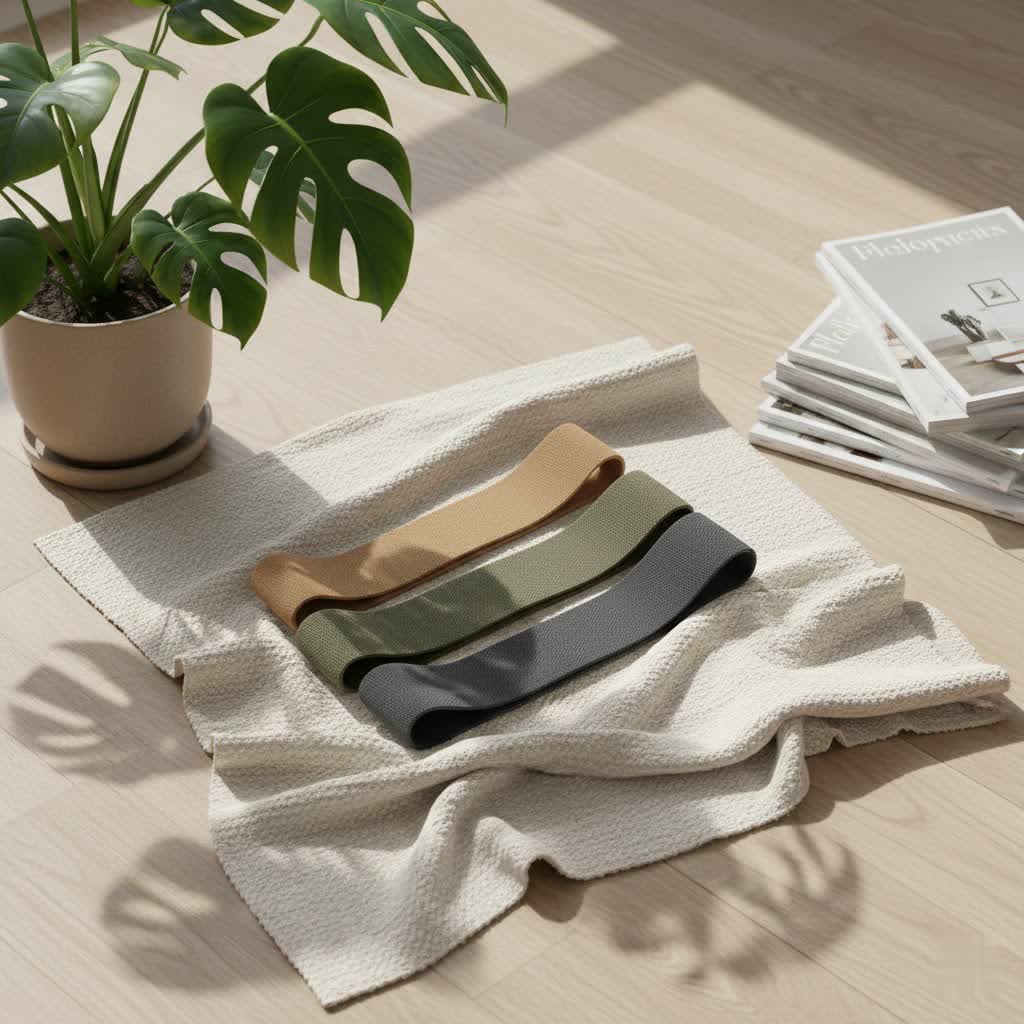
Resistance bands are simple, elastic fitness tools crafted from latex or fabric, designed to create tension when stretched. Unlike free weights, which rely on gravity, resistance bands provide progressive resistance, meaning the tension increases as the band is stretched further. This unique characteristic makes them highly effective for muscle engagement throughout the entire range of motion, providing a challenge that adapts to your strength.
Using resistance bands for rowing offers a multitude of benefits, making them an excellent addition or alternative to your workout routine. Rowing is renowned as a full-body exercise, engaging major muscle groups in the back, shoulders, arms, core, and even the legs. When performed with resistance bands, these benefits are amplified and made more accessible.
- Portability & Cost-Effectiveness: Resistance bands are lightweight, compact, and significantly more affordable than traditional gym equipment. This makes them perfect for home workouts, travel, or small spaces, eliminating the need for expensive machines or gym memberships.
- Versatility & Adjustable Resistance: A single set of bands can offer a wide range of resistance levels. You can easily adjust the intensity by choosing different bands, combining them, or altering your grip and body position. This adaptability allows for customized workouts tailored to any fitness level, from beginner to advanced.
- Low-Impact & Joint-Friendly: Resistance band rowing is gentle on the joints, reducing the risk of injury often associated with heavier weights or high-impact activities. The smooth, controlled tension helps protect your joints while still providing an effective muscle-building stimulus.
- Enhanced Muscle Activation & Endurance: The variable tension of resistance bands forces your muscles to work harder throughout the entire movement. This not only builds strength but also improves muscle endurance, coordination, and proprioception (your body’s awareness in space). Studies have shown that resistance band exercises can achieve comparable muscle activation and strength gains to traditional weight training.
- Improved Posture and Injury Prevention: By targeting the often-underdeveloped muscles of the upper back and shoulders, resistance band rowing helps to counteract the effects of modern sedentary lifestyles, promoting better posture and reducing the risk of back and shoulder pain. Strengthening these stabilizing muscles is crucial for overall functional fitness.
Popular Types of Resistance Bands for Rowing
When it comes to resistance band rowing, several types of bands can be utilized, each offering unique advantages for different exercises and preferences.
- Loop Bands (Power Bands): These are continuous loops of rubber, often thick and durable.
- Long Loop Bands: Ideal for anchoring around a sturdy object like a pole or door frame, or even under your feet for seated or standing rows. They provide consistent resistance and are excellent for a wide range of pulling movements.
- Mini Loop Bands: Shorter, smaller loops typically used for lower body exercises, but can also be incorporated into some upper body warm-ups or specific isolation work.
- Tube Bands with Handles: These bands feature a rubber tube with a handle at each end, often accompanied by a door anchor attachment.
- Pros: The handles provide a comfortable grip, mimicking dumbbells or cable machine handles. The door anchor expands the exercise possibilities, allowing for rows from various angles and heights.
- Cons: The anchor point must be secure to prevent accidents.
Both loop bands and tube bands with handles are highly effective for rowing exercises. The choice often comes down to personal preference for grip and anchoring options. For simulating a seated rowing machine, a long loop band or tube band anchored low is typically preferred. For standing variations, both types can be effective with the right anchor.
How to Choose the Right Resistance Bands for Your Rowing Workouts
Selecting the appropriate resistance bands is crucial for effective and safe workouts. It’s not a one-size-fits-all decision; your choice should align with your fitness level and goals.
Define Your Fitness Goals
Before purchasing, consider what you aim to achieve with resistance band rowing.
- Strength Building: You’ll need bands with higher resistance levels.
- Muscle Endurance: Lighter to medium bands with higher repetitions.
- Posture Correction or Rehabilitation: Often requires lighter bands to focus on form and controlled movements.
- General Fitness and Toning: A versatile set with varying resistances is ideal.
|
Our Picks for the Best Resistance Bands in 2026
As an Amazon Associate I earn from qualifying purchases.
|
||
| Num | Product | Action |
|---|---|---|
| 1 | Resistance Bands for Working Out, 5-Pack Elastic Exercise Bands for Strength Training, Stretching, Workout; Home Gym Equipment for Women Men, Pilates Yoga Physical Therapy, Leg Glute Arm Exercise Kit |

|
| 2 | Pull Up Bands, Resistance Bands, Pull Up Assistance Bands Set for Men & Women, Exercise Workout Bands for Working Out, Body Stretching, Physical Therapy, Muscle Training |
|
| 3 | Resistance Bands, Pull Up Assist Bands - Workout Bands, Eexercise Bands, Long Resistance Bands Set for Working Out, Fitness, Training, Physical Therapy for Men Women |
|
| 4 | Upgraded Pedal Resistance Band with Handle, Soft Durable Fashion Puller Exercise with Thickened 6 Tension Ropes, Tube Pedal Resistance Device for Abdomen, Waist, Arm, Leg, Core/ABS |
|
| 5 | Pull Up Assistance Bands, 5-Level Resistance Bands for Working Out, Pull Up Bands for Men & Women, Exercise Bands for Full-Body Training, Fitness, Physical Therapy, Stretch Workout Bands at Home, Gym |
|
| 6 | WHATAFIT Resistance Bands, Exercise Bands,Resistance Bands for Working Out, Work Out Bands with Handles for Men and Women Fitness, Strength Training Home Gym Equipment |
|
| 7 | VEICK Resistance Bands, Exercise Bands, Workout Bands, Resistance Bands for Working Out with Handles for Men and Women, Exercising Bands for Fitness Weights Work Out at Home |
|
| 8 | 6PCS Silicone Ankle Strap for Swimming, Legs Resistance Exercise Swim Band, Aquatic Resistance Belt, General Swimming AIDS for Kids and Adults |
|
| 9 | 5 Pcs Professional Resistance Bands. Latex-Free, Elastic Band, Work Out Bands, Stretch Bands for Working Out Women or Men, Exercise Bands Set for Physical Therapy, Yoga, Pilates |
|
| 10 | Resistance Bands for Working Out with Workout Bands Guide. 4 Booty Bands for Women Men Fabric Elastic Bands for Exercise Bands Resistance Bands for Legs Bands for Working Out Hip Thigh Glute Bands Set |
|
Selecting the Appropriate Resistance Level
Resistance bands are typically color-coded to indicate their tension levels, ranging from extra light to extra heavy.
- Start Conservatively: If you’re new to resistance training or a specific exercise, begin with a lighter band. This allows you to focus on mastering proper form before increasing the challenge.
- Aim for a Rep Range: A good guideline is to choose a band that allows you to perform 8-12 repetitions of an exercise with good form, feeling challenged by the last few reps. If you can easily do more than 15 reps, the band is likely too light. If you struggle to complete 5-6 reps with proper form, it’s too heavy.
- Progress Gradually: As your strength improves, gradually move to bands with higher resistance. Many resistance band sets come with multiple bands, allowing for easy progression. You can also combine bands to create custom resistance levels.
Quality and Durability Matters
The material and construction of your resistance bands directly impact their longevity and safety.
- Material: High-quality natural latex is generally preferred for its elasticity, durability, and consistent resistance. Fabric bands are also popular, especially for hip and glute exercises, due to their non-slip properties.
- Handles and Anchors (for Tube Bands): Ensure that handles are sturdy, comfortable to grip, and securely attached. Door anchors should be robust and designed to hold the band firmly without slipping or damaging your door.
- Inspect Regularly: Always check your bands for any signs of wear and tear—nicks, small tears, or fraying—before each workout. A damaged band can snap during use, potentially causing injury.
Effective Resistance Band Rowing Exercises for a Full Body
Resistance band rowing can effectively target your back, shoulders, and arms, and even engage your core and legs for stability. Regardless of the variation, remember these general principles for proper form: maintain a neutral spine, keep your chest out, pull your shoulder blades together, and execute movements in a slow, controlled manner, avoiding momentum.
Seated Resistance Band Row
This classic exercise targets the lats, rhomboids, and biceps, mimicking a seated cable row.
- Setup: Sit on the floor with your legs extended. Loop a long resistance band around the soles of your feet (or secure a tube band to a low-level door anchor). Hold one end of the band in each hand, palms facing each other. Keep your back straight, engaging your core.
- Execution: Exhale as you pull the handles towards your lower abdomen, squeezing your shoulder blades together. Keep your elbows close to your sides. Pause briefly, then slowly extend your arms back to the starting position with control.
Standing Resistance Band Row
A versatile exercise that engages the mid-back, shoulders, and core for stability.
- Setup: Secure a resistance band to a sturdy anchor point at chest height (e.g., a door anchor in a closed door). Stand facing the anchor, holding one end of the band in each hand with arms extended forward, creating tension. Keep your feet shoulder-width apart, knees slightly bent, and core engaged.
- Execution: Pull the handles towards your chest, squeezing your shoulder blades together. Maintain an upright posture and resist the band pulling you forward. Slowly return to the starting position.
Bent-Over Resistance Band Row
This variation places more emphasis on the upper back and rear deltoids.
- Setup: Stand on the middle of a loop band with your feet shoulder-width apart. Hinge at your hips, keeping a slight bend in your knees and a flat back, until your torso is almost parallel to the floor. Let the ends of the band hang down, holding one in each hand with an overhand or neutral grip.
- Execution: Keeping your core tight and back flat, pull the band upwards towards your chest, driving your elbows towards the ceiling and squeezing your shoulder blades. Control the movement as you lower the band back down.
Single-Arm Resistance Band Row
Excellent for isolating each side of your back, addressing muscle imbalances, and enhancing core stability.
- Setup: Can be done seated with the band looped around your feet, or standing with the band anchored to a sturdy point. For standing, position yourself so only one arm is working. Stand perpendicular to a door anchor or loop the band under one foot. Hold the band with one hand, palm facing in.
- Execution: Pull the band towards your torso, engaging your back muscles and squeezing your shoulder blade. Keep your core tight to resist rotation. Slowly return to the starting position and repeat before switching sides.
Resistance Band Face Pull
A fantastic exercise for targeting the often-neglected rear deltoids, upper traps, and rotator cuff muscles, which are crucial for shoulder health and posture.
- Setup: Secure a resistance band to a high anchor point (e.g., a door anchor in the top hinge of a door). Stand a few feet away, holding both ends of the band with an overhand grip, palms facing down, arms extended forward.
- Execution: Pull the band towards your face, leading with your elbows. As you pull, externally rotate your shoulders so your hands end up beside your ears, palms facing forward. Squeeze your shoulder blades together. Control the return to the starting position.
Common Mistakes to Avoid When Rowing with Resistance Bands
While resistance band rowing is generally safe, certain errors can diminish its effectiveness or lead to injury. Awareness and correction of these common mistakes will significantly improve your workout.
- Overstretching the Band: Resistance bands have a limit to how far they can stretch safely. Overstretching can cause the band to snap, leading to injury, and significantly reduces its lifespan. If an exercise feels too easy, switch to a band with higher resistance rather than stretching it excessively.
- Poor Posture: Arching your back, rounding your shoulders, or allowing your torso to slump during rows can lead to spinal strain and reduce the activation of target muscles. Maintain a neutral spine throughout the movement, keep your chest open, and engage your core. If you find it difficult to maintain good posture, the resistance might be too high.
- Using Too Much or Too Little Resistance: A band that is too heavy can force you to compromise form, while one that is too light won’t provide sufficient challenge for muscle growth. Choose a resistance that allows you to complete your desired repetitions with proper form, feeling a solid challenge by the end of the set.
- Relying on Momentum: Swinging or jerking the band to complete repetitions reduces the engagement of your muscles and increases the risk of injury. Focus on slow, controlled movements through both the pulling and releasing phases to maximize muscle activation and build genuine strength.
- Incorrect Anchor Point Setup: If you are using a door anchor, ensure it is securely placed within the door frame and the door is completely closed and locked. An improperly secured anchor can slip, causing the band to snap back and potentially causing harm. Always test the anchor point before starting your workout.
- Neglecting Warm-up and Cool-down: Jumping into intense resistance training without a proper warm-up can lead to muscle strains. Similarly, skipping a cool-down can leave your muscles stiff and sore. Incorporate dynamic stretches before and static stretches after your resistance band rowing session.
Maintaining and Caring for Your Resistance Bands
Proper care and maintenance will extend the life of your resistance bands and ensure their safety.
- Storage: Store your resistance bands in a cool, dry place away from direct sunlight, extreme temperatures, and sharp objects. UV light and heat can degrade the latex over time, making bands brittle and more prone to snapping.
- Cleaning: After use, especially if they become sweaty, wipe your bands with a damp cloth. If necessary, use a mild soap solution and rinse thoroughly. Allow them to air dry completely before storing. Avoid harsh chemicals or abrasive cleaners, as these can damage the material.
- Inspection: Before every workout, visually inspect your bands for any signs of wear and tear, such as nicks, cuts, cracks, thin spots, or loss of elasticity. Even small imperfections can compromise the integrity of the band. If you notice any damage, it’s safer to replace the band immediately.
Where to Purchase Quality Resistance Bands
Quality resistance bands are widely available and a worthwhile investment for your fitness journey.
- Online Retailers: Websites like Amazon, Bodylastics, Rogue Fitness, and other specialized fitness equipment sites offer a vast selection of resistance bands from various brands. Look for sets that include multiple resistance levels and consider those with positive customer reviews regarding durability and performance.
- Specialized Fitness Stores: Local sporting goods stores or fitness equipment retailers often carry a range of resistance bands. This allows you to physically inspect the bands and test their feel before purchasing.
- Key Considerations: When buying, prioritize bands made from high-strength latex or durable fabric. For tube bands, check the quality of the handles and any included door anchors. Investing in a reputable brand often translates to better quality and a longer-lasting product.
Conclusion
Mastering rowing with resistance bands offers an accessible, versatile, and highly effective path to achieving your full-body fitness goals. From building impressive back and arm strength to improving posture and enhancing endurance, these compact tools provide a powerful workout that can rival traditional gym equipment. By understanding the benefits, choosing the right bands, diligently practicing proper form, and avoiding common mistakes, you can transform your fitness routine and unlock new levels of strength and health.
So, are you ready to experience the remarkable power and convenience of resistance band rowing for yourself?
Frequently Asked Questions
Do resistance band rows build muscle?
Yes, resistance band rows effectively build muscle, particularly in the back (lats, rhomboids, traps), shoulders (rear deltoids), and biceps. When consistently performed with progressive overload (increasing resistance or repetitions over time), they contribute significantly to muscle strength and endurance development, comparable to free weights or machines.
Can I use resistance bands every day for rowing?
While it’s generally safe to perform light resistance band rows daily, intense sessions targeting the same muscle groups should typically allow 48 hours of recovery. This ensures proper muscle repair and growth. For a daily routine, consider alternating muscle groups or using very light resistance for active recovery.
What type of resistance band is best for rowing?
For rowing exercises, long loop bands or tube bands with handles are generally the best. Long loop bands are versatile for anchoring under feet or around sturdy objects, while tube bands with handles offer a comfortable grip and often come with door anchors, expanding exercise possibilities. The “best” type often depends on personal preference for grip and anchoring.
How do I know if my resistance band is too strong or too weak?
Your resistance band is too weak if you can easily complete more than 15 repetitions with perfect form without feeling challenged. Conversely, it’s too strong if you struggle to maintain proper form or cannot complete at least 8 repetitions. Aim for a band that allows you to perform 8-12 challenging repetitions while maintaining good technique.
Can resistance bands replace a rowing machine?
Resistance bands can effectively simulate many of the muscle-building benefits of a rowing machine, particularly for upper body strength and endurance. They offer portability, versatility, and are low-impact, making them an excellent alternative for home workouts or travel. However, they don’t fully replicate the cardiovascular intensity and comprehensive leg drive that a full-size rowing machine provides.
